 By
By 
Planning your next holiday to the Philippines can feel quite overwhelming at the start. With more than 7,000 islands making it the fifth-largest island nation in the world, there are countless factors to consider—especially the weather.
The Philippines features diverse microclimates, including tropical monsoon, tropical rainforest, and oceanic climates. This means that while the country’s northern regions might be experiencing a dry, sunny season, the opposite end could be facing entirely different weather patterns. Instead of trying to generalize the weather of the entire country, it is always best to look into the specific conditions of your chosen islands.
Every season has its unique advantages and distinct drawbacks. Whether you’re looking to hit the beach, dance the night away at a cultural festival, or simply escape the worst of the tourist crowds, here is our candid, comprehensive guide to the ideal time to visit the Philippines in 2026.
Quick Glance: Philippine Travel Seasons
| Season | Months | Average Temperature | Travel Vibe |
| High (Cool Dry) | December – February | 24°C – 30°C | Perfect weather, major festivals, peak crowds |
| High (Hot Dry) | March – April | 28°C – 34°C | Intense heat, perfect for beaches, busy |
| Shoulder | May & November | 25°C – 32°C | Transition months, fewer crowds, affordable |
| Low (Wet) | June – October | 24°C – 31°C | High typhoon risk, lush scenery, budget-friendly |
High Season: December – April
The high season is divided into two distinct phases: the cool dry season (December to February) and the hot dry season (March and April). This is a festive, high-energy time of the year to travel, filled with celebrations around Christmas, New Year’s, and Holy Week leading up to Easter.
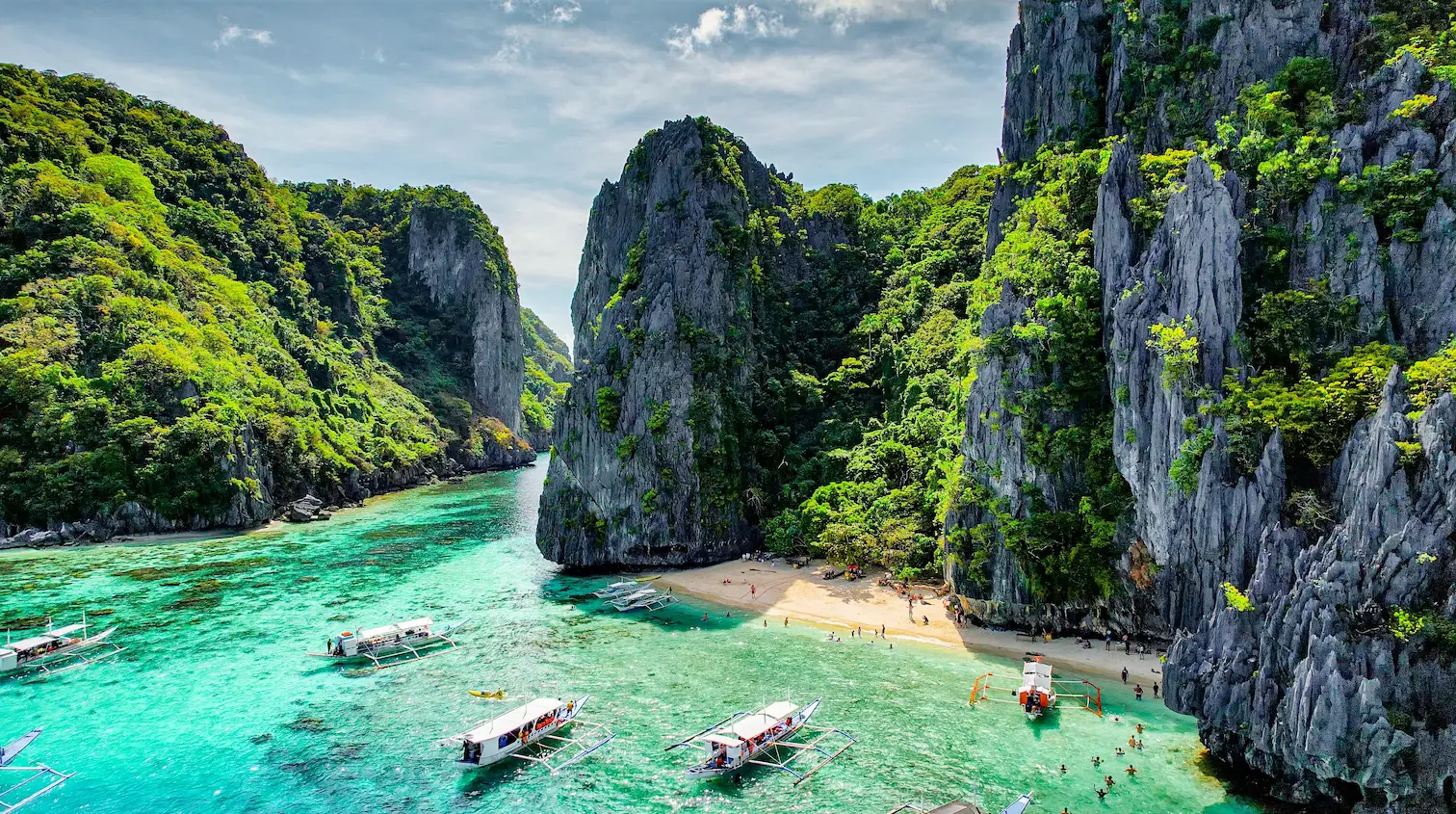
During these months, rainfall is at its lowest, allowing you to easily access the most isolated locations and remote islands. If you’re the adventurous type looking for a holiday filled with hiking, sightseeing, and clear skies, this is the absolute best time to visit. However, be prepared: popular beach destinations like El Nido, Coron, and Boracay will draw massive tourist crowds, and resorts will significantly increase their rates.
-
Pros:
-
Very low chance of rain and much more tolerable humidity.
-
Mosquitoes and insects are far less of an issue.
-
It is peak festival season, offering incredible cultural experiences.
-
-
Cons:
-
It is the absolute peak season for tourism; beaches will be heavily congested.
-
Accommodation costs skyrocket, and last-minute rooms are nearly impossible to find.
-
March and April are the hottest months of the year, which can be draining for some.
-
Best things to do during the high season
Island hopping is the ultimate high-season activity. More importantly, the Philippines sits right in the heart of the Coral Triangle, the global epicenter of marine biodiversity. This makes it one of the world’s top destinations for scuba diving! You can dive the pristine, UNESCO-protected Tubbataha Reefs or explore world-class muck diving in Dauin. If diving isn’t your style, you can try surfing in Siargao, SUP boarding, or snorkeling.
If you visit in January, don’t miss the Ati-Atihan Festival or the Sinulog Festival in Cebu—massive, vibrant celebrations featuring extravagant costumes and street dancing.
Shoulder Season: May and November
In the Philippines, the shoulder season is incredibly short and sweet, typically lasting just one month on either side of the extreme wet and dry seasons. If you plan ahead, you can save significant money on accommodation and avoid the worst of the international tourist crowds. (Note: May still sees high domestic travel due to local school holidays!)
-
Pros:
-
The cost of accommodation drops noticeably.
-
The weather is mainly dry and far less humid compared to the peak rainy season.
-
Sea conditions remain calm enough for excellent snorkeling, surfing, and diving.
-
Flights are generally more affordable.
-
-
Cons:
-
Weather can be slightly unpredictable as the monsoon winds shift.
-
Low Season (Wet Season): June – October
Deciding to visit the Philippines during the low season requires a healthy dose of reality regarding the weather. The wet season brings heavy rains and a high likelihood of typhoons. According to the Philippine Atmospheric, Geophysical and Astronomical Services Administration (PAGASA), an average of 20 tropical cyclones enter the Philippine area every year, with peak activity occurring between August and October.
These storms can result in canceled ferries, grounded flights, and road closures. However, it rarely rains all day, every day. If you are flexible and travel with an open mind, you can still enjoy plenty of sunny skies, incredibly lush green landscapes, and a wonderfully quiet atmosphere.
-
Pros:
-
The country is far less busy, giving you popular beaches almost entirely to yourself.
-
Roadway traffic is significantly lighter than in the high season.
-
Deeply discounted rates on luxury resorts, flights, and tours.
-
-
Cons:
-
Torrential rainfall and thunderstorms are frequent.
-
Severe typhoon risks (especially in the northern and eastern regions).
-
Mosquitoes are highly active due to the standing water.
-
Decreased underwater visibility makes it a poor time for scuba diving.
-
Best things to do during the low season
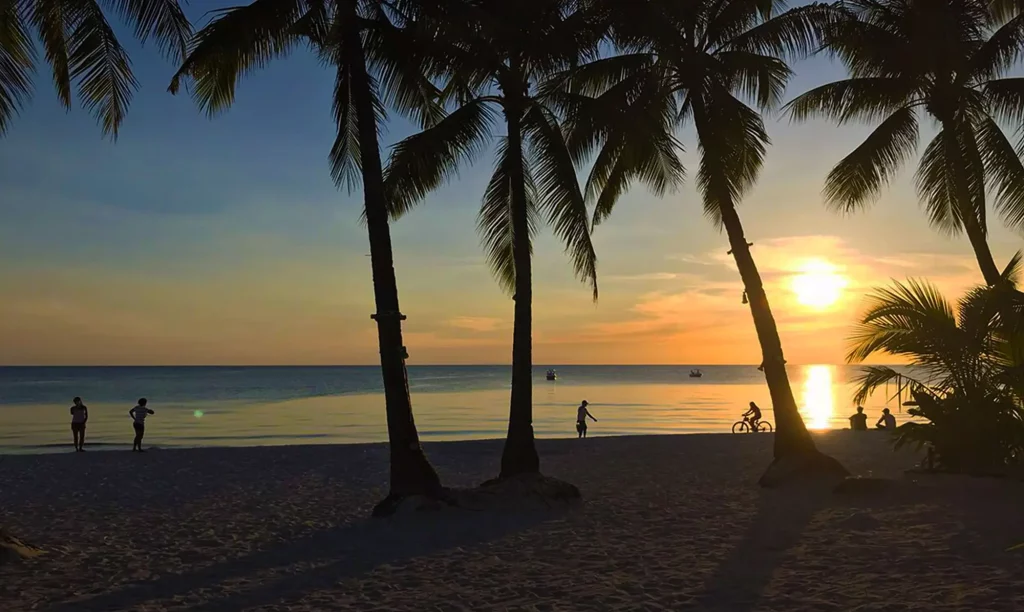
If you catch a sunny break, you can still enjoy the beaches. But when the rain sets in, pivot your itinerary to indoor cultural experiences. Booking a local cooking class is a fantastic way to immerse yourself in the culture and give back to communities that struggle during the tourist drought.
You can also witness the Flores de Mayo, a beautiful religious festival in May that features candlelit processions to celebrate the impending rains. And of course, if a storm rolls in, it’s the perfect excuse to book a luxurious, all-day spa retreat!
The Bottom Line
There is never a truly bad moment to grab a beach towel and head to the Philippines. Because the country is so vast, you can usually check the Department of Tourism (DOT) updates and find an island where the sun is shining even in the height of the rainy season.
Ultimately, your decision comes down to your personal travel style: do you prefer low prices with unpredictable weather, or premium costs with guaranteed sunshine? If you’re looking at traveling to the Philippines during the dry season but want to avoid those hefty, marked-up resort prices, consider joining an organized group like our 10-day Philippines West Classic Tour to lock in your costs early!