 By
By 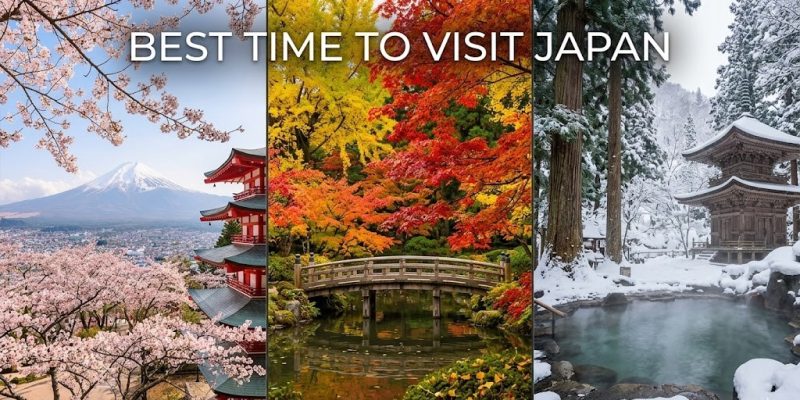
So, you’re looking to trade your daily routine for neon lights, ancient temples, and the most polite deer you’ll ever meet? Good call. Since today is Wednesday, March 25, 2026, you are actually standing right in the “Sweet Spot” of the Japanese calendar.
Japan doesn’t just have seasons; it has vibes. Choosing when to go is a balancing act between the “human-to-tree ratio” (crowds) and the “comfort-to-humidity index.” Here is the 2026/2027 breakdown to help you navigate the land of the rising sun like a pro.
The Seasonal Scorecard
| Season | Best Months | The Vibe | The Catch |
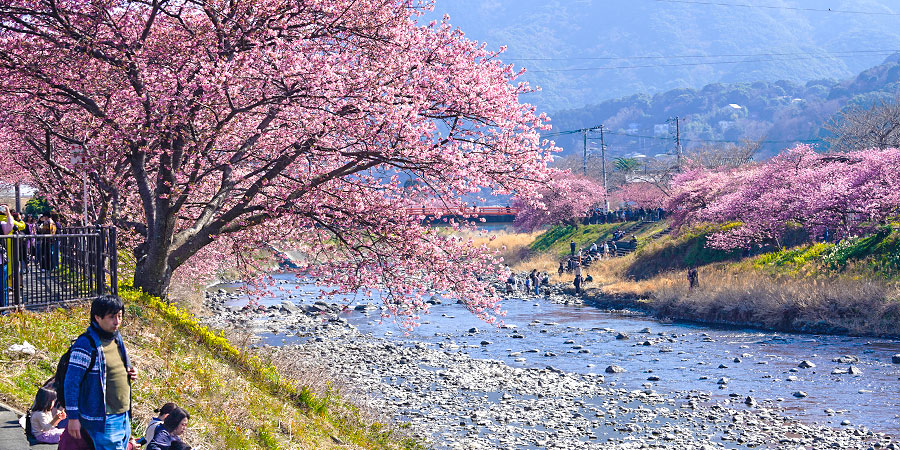
| Spring | Late March – April | Sakura (Cherry Blossoms). Soft pink everything and cool, pleasant air. | Peak prices and massive crowds. |
| Autumn | Late Oct – November | Koyo (Red Leaves). Crisp blue skies and neon orange forests. | High demand for Kyoto hotels. |
| Winter | Dec – February | The Budget Reset. Skiing in Hokkaido and steaming onsens. | It is cold. Really cold. |
| Summer | June – August | Festivals & Fireworks. Incredible energy and street food. | Intense humidity and the rainy season. |
Strategic Planning: The “Avoid at All Costs” Dates
Japan has four major domestic holiday periods where trains are packed and hotel prices triple. Unless you enjoy being part of a human sardine can, try to avoid these:
-
Golden Week (Late April – Early May): Four national holidays in one week. Everyone is on the move.
-
Obon (Mid-August): A 9-day period where families return home. It’s hot, crowded, and expensive.
-
Silver Week (Mid-September): Occasional clusters of public holidays.
-
New Year (Dec 29 – Jan 3): Many shops and museums close, though shrines are beautiful (if crowded).
Pro-Tip: If you want the cherry blossoms without the $500-a-night price tag, look into early-blooming Sakura in February/early March (Atami or Izu Peninsula) or late blooms in Hokkaido (late April/early May).
City Specifics: Tokyo, Kyoto, & Osaka
-
Tokyo: A year-round powerhouse. Because it’s coastal, it’s rarely too extreme, but the summer humidity makes the subway feel like a very clean sauna.
-
Kyoto: This is the cultural heart, but it’s inland. That means it gets colder in winter and stickier in summer than the coast. Spring and Autumn are non-negotiable here for the best views.
-
Osaka: Mild winters and great food. If you visit in winter, it’s the perfect time to huddle over a bowl of oden (Japanese hotpot).
Experiences to Time Your Trip Around
-
For the Adrenaline Seeker: Tokyo Disneyland is best in January to early March for lower crowds, provided you don’t mind wearing three layers of Uniqlo Heattech.
-
For the Culture Junkie: Gion Matsuri (July) in Kyoto is one of the world’s greatest parades. Yes, you will sweat, but the sight of the giant floats is a core memory unlocked.
-
For the Snow Bunny: Sapporo Snow Festival (early February) features massive ice sculptures that look better than most skyscrapers.
:max_bytes(150000):strip_icc()/sakura-temple-pagoda-japan-VISITJP0218-73f37dad55eb4cb5b02ea4ae0eee714d.jpg)
Essential Resources & References
-
Japan National Tourism Organization (JNTO) – Official guides for seasonal events and travel alerts.
-
Japan Guide: When to Travel – Detailed monthly weather and event breakdowns.
-
Tokyo Disney Resort: Official Calendar – Essential for checking crowd levels and maintenance schedules.
-
The Japan Times: Travel Section – Up-to-date news on tourism trends and new destination openings.
-
Kyoto Tourism: Festival Schedule – A deep dive into the specific dates for Gion Matsuri and Jidai Matsuri.
Also Read : Best Time to Visit Rajasthan: Season Guide for Culture, Forts & Festivals