 By
By 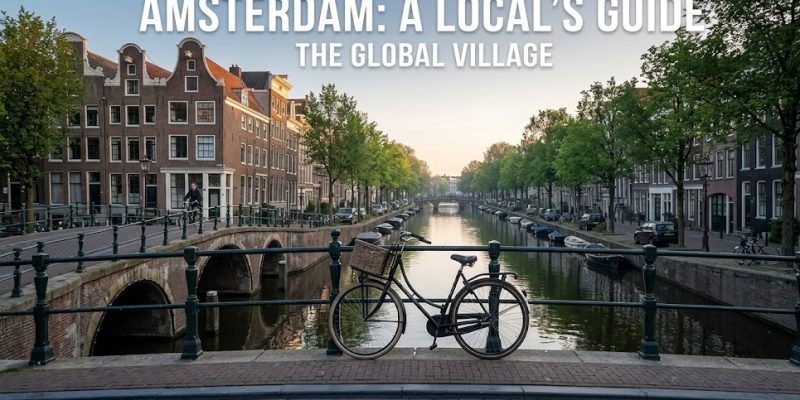
Amsterdam is my home and my favorite city in the world. From its 17th-century Golden Age roots to its current status as a vibrant, cosmopolitan “global village,” the city offers a unique blend of historic charm and cutting-edge culture. With a population of roughly 1 million people representing about 200 different nationalities, Amsterdam is a testament to tolerance and diversity.
This guide is designed to help you navigate the city’s canals, museums, and neighborhoods like a local, ensuring you experience the true essence of the Dutch capital.

When to Visit Amsterdam
Amsteram is a year-round destination, but each season offers a distinct atmosphere:
-
Summer (June–August): Warmest weather and peak festival season. Expect higher crowds and accommodation rates.
-
Spring (March–May): Famous for tulips and King’s Day (April 27th). Note that this is one of the most expensive times to visit.
-
Autumn (September–November): Beautiful foliage and fewer crowds. Hotel rates generally drop in October and November.
-
Winter (December–February): The quietest season. If you’re lucky, you might witness the frozen canals or the Amsterdam Light Festival.
Top Cultural & Historic Attractions
World-Class Museums
Amsterdam houses an incredible density of art and history. To avoid long queues, consider purchasing Skip-the-Line tickets or visiting in the late afternoon.
-
Rijksmuseum: Home to Rembrandt’s The Night Watch and Dutch Master masterpieces.
-
Van Gogh Museum: The world’s largest collection of works by Vincent van Gogh.
-
Anne Frank House: A moving historic site where Anne Frank and her family hid during WWII.
-
STRAAT Museum: Located in the NDSM area, this is a spectacular museum dedicated to street art and graffiti.
Architectural Highlights
The city is a living museum of architectural styles:
-
The Royal Palace: Built in the 17th century as a City Hall, reflecting the city’s Golden Age wealth.
-
Amsterdam School: A prominent early 20th-century style found in neighborhoods like Zuid and the Spaarndammerbuurt.
-
Modern Gems: Visit the Zuidas (South Axis) for cutting-edge designs like The Valley, a striking apartment and office complex.
The Culinary Scene: From Street Food to Michelin Stars
Amsterdam’s diverse population has fostered a global food scene.
-
Local Staples: Try Dutch fries (Vleminckx is a local favorite), raw herring with onions, and Stroopwafels.
-
Rijsttafel: An Indonesian “rice table” featuring dozens of small dishes—a remnant of the Dutch colonial past. Hotel Jakarta and Tempo Doeloe are highly recommended.
-
Fine Dining: For a high-end experience, Ciel Bleu (two Michelin stars) offers stunning city views from the Okura Hotel, while MOS Amsterdam (one star) provides beautiful harbor vistas.

Amsterdam Demographics & Diversity (2026)
Amsterdam is renowned for its international character. As of 2026, the city’s demographic profile reflects its “global village” status:
| Group | Approximate Percentage of Population |
| Dutch Background | 45% |
| Western Migration Background | 18% |
| Non-Western Migration Background | 37% |
The “Non-Western” category includes significant populations with Moroccan (approx. 9%), Turkish (approx. 5%), and Surinamese (approx. 8%) heritage. There are currently over 180 distinct ethnicities represented within the city limits.
Conclusion
Whether you are strolling along the illuminated canals at night, cycling to the village of Ouderkerk aan de Amstel, or exploring the industrial-chic warehouses of NDSM, Amsterdam offers an experience that is both intimate and world-class. It is a city that rewards those who venture beyond the Dam Square and into the local “bruin cafés” and ethnic markets. Embrace the “global village” spirit, and you’ll quickly understand why this is my favorite city in the world
Also Read : The Best Hotels in Phuket for 2025