 By
By 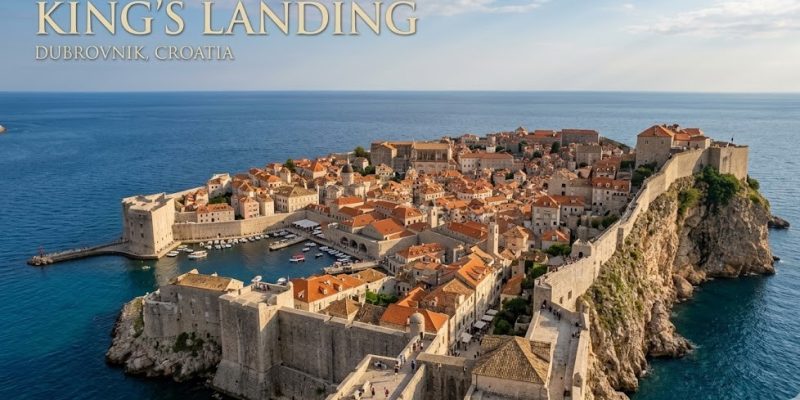
In the European tourism sector of 2026, the Croatian coastal city of Dubrovnik remains a premium, high-density destination. Historically a powerful maritime republic, the city’s exceptionally preserved architecture within its imposing stone walls has generated massive global interest, heavily amplified by its use as a primary filming location for the HBO series Game of Thrones. This intelligence brief deconstructs the operational logistics, strategic timing, and critical attractions for navigating Dubrovnik’s Old Town efficiently.
Historical Context and Topographical Architecture
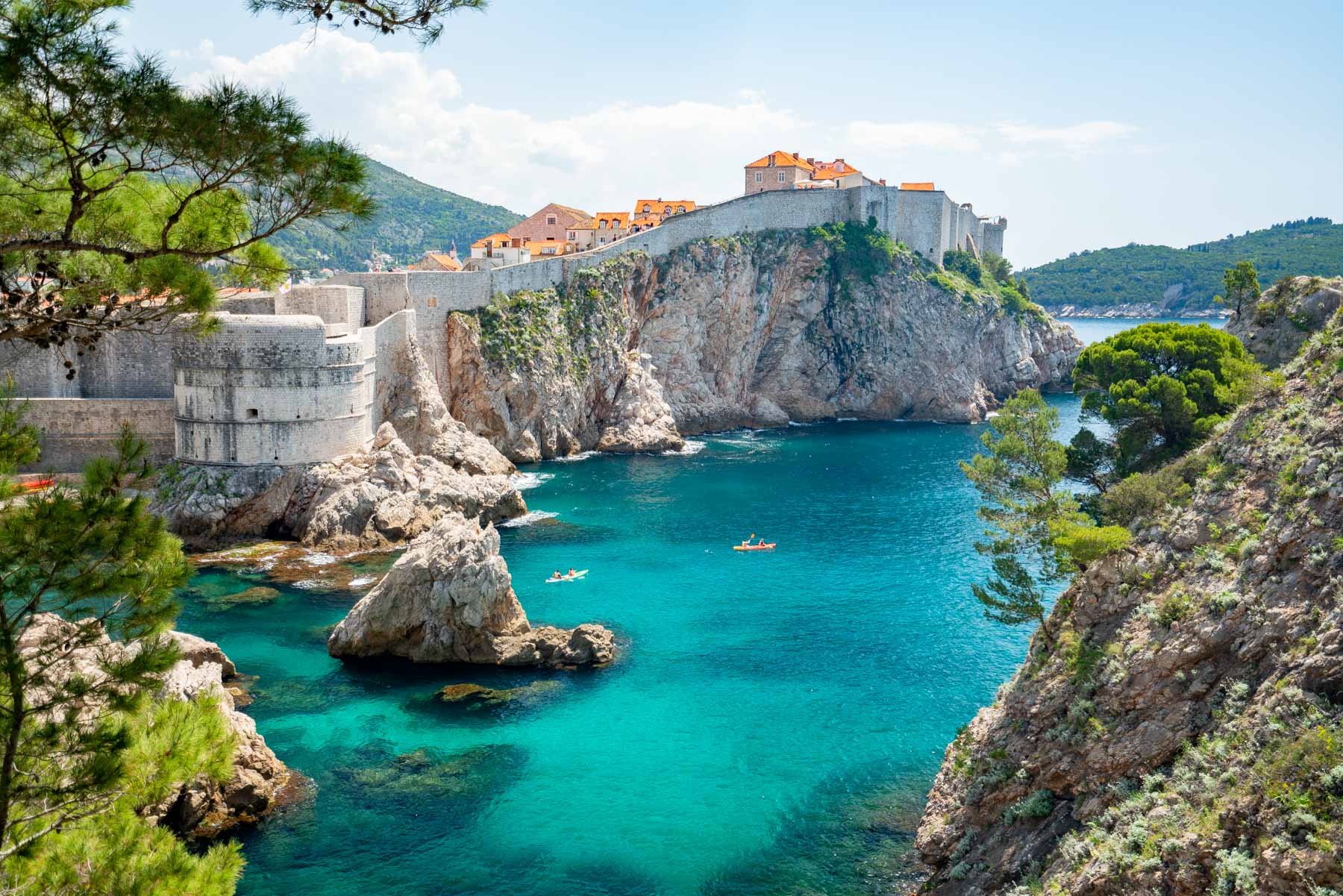
Dubrovnik is located on the Dalmatian coast, bordering the Adriatic Sea. Its defining architectural feature is the unbroken circuit of defensive stone walls surrounding the Old Town. Built primarily between the 12th and 17th centuries to protect the Republic of Ragusa from Venetian and Ottoman threats, these walls are up to 6 meters thick and run for approximately 2 kilometers. Today, the Old Town is a designated UNESCO World Heritage Site, characterized by its labyrinthine limestone streets and uniform terracotta roofing.
Strategic Logistics: Timing the Deployment
The primary operational challenge in Dubrovnik is extreme crowd density.
-
The Cruise Ship Variable: The city is a major port of call for Mediterranean cruise ships. When multiple ships dock simultaneously, the Old Town’s narrow streets become functionally impassable. Visitors must cross-reference local cruise schedules and deploy into the Old Town during off-peak hours (early mornings before 8:00 AM or late evenings) to avoid severe friction.
-
Seasonal Economics: July and August represent peak European summer travel. During these months, the city reaches maximum capacity, and hospitality pricing (Capital Expenditure – CAPEX) spikes aggressively. The optimal windows for travel—balancing favorable weather with manageable crowds and moderate pricing—are the “shoulder seasons”: April to mid-June, and mid-September to October.
Core Operations: Old Town Objectives
Executing a successful reconnaissance of the Old Town requires prioritizing specific historical and cultural assets:
-
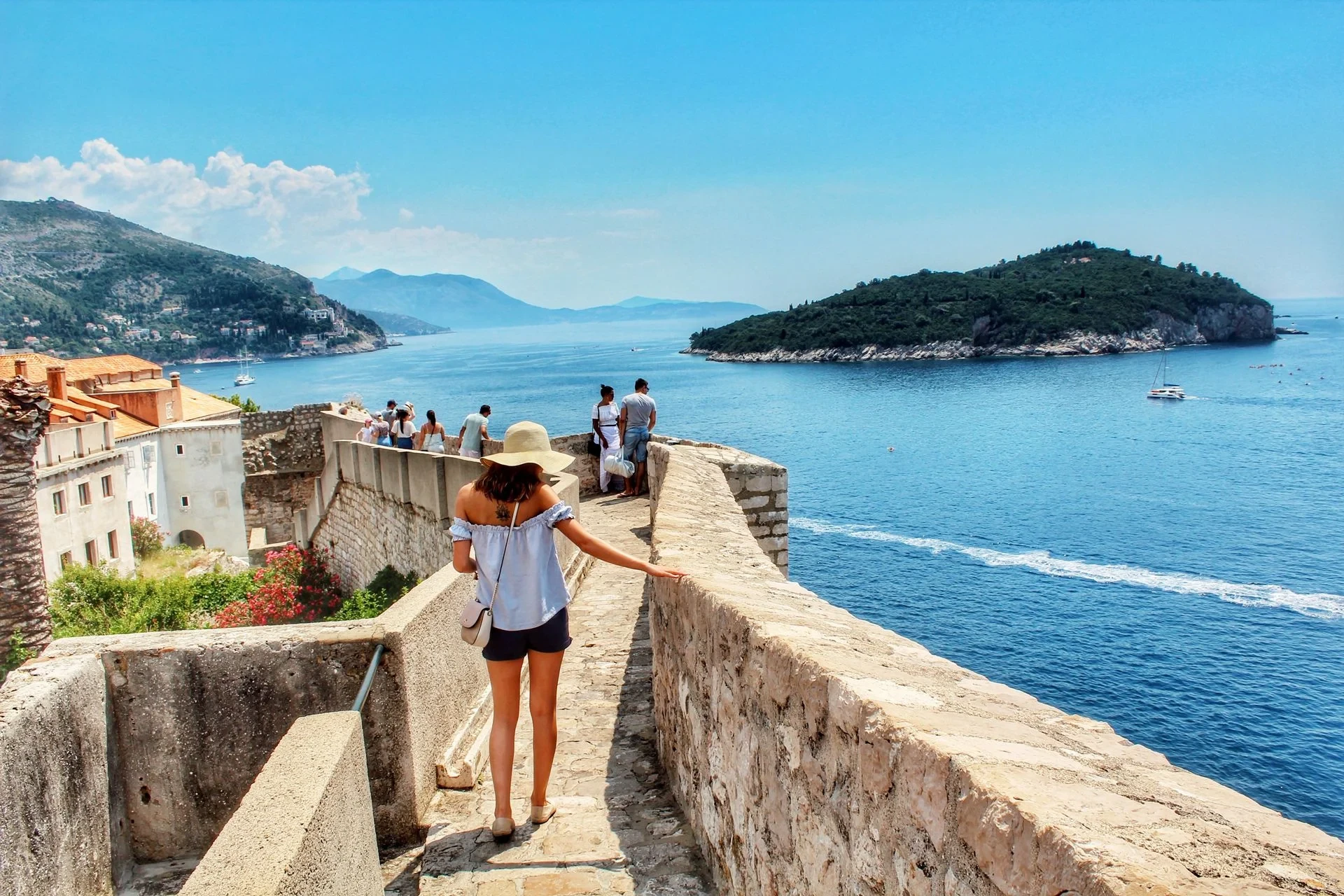
Walking the Fortifications: The paramount activity is navigating the 2km perimeter of the city walls. This elevated vantage point provides critical sightlines of the Adriatic, Lokrum Island, and the internal architecture of the Old Town. Access is typically gained via the Pile Gate. Operational Note: Execute this early in the morning to avoid midday heat and severe crowd congestion.
-
Fort Lovrijenac (St. Lawrence Fortress): Located just outside the western wall, this 14th-century fortress sits on a 37-meter-high rock. Historically defending the city’s sea access, it is now globally recognized as the “Red Keep” from Game of Thrones.
-
The Stradun (Placa): The 292-meter main artery connecting the Pile Gate and Ploce Gate. Reconnaissance here reveals key historical structures, including the 16th-century Sponza Palace and the Rector’s Palace, which now functions as a cultural museum.
-
Franciscan Monastery: Operating since 1391, this site houses one of the oldest continually functioning pharmacies in Europe.
Secondary Deployments: Outside the Walls
To mitigate “Old Town fatigue,” strategic excursions outside the immediate fortifications are highly recommended:
-
Srd Hill Cable Car: Deploys visitors to the summit of Srd Hill for panoramic aerial views of the entire walled city. The summit also features Fort Imperijal, originally constructed by Napoleon’s forces in the early 19th century.
-
Sea Kayaking: A high-energy, 3-hour aquatic excursion launching from outside Pile Gate. This provides a unique exterior view of the defensive walls and typically includes navigation around nearby Lokrum Island.
-
Lokrum Island: A rapid ferry deployment (departing every 30 minutes in summer) transports visitors to this shaded, forested island nature reserve, providing necessary respite from the heat and stone environment of the Old Town.
Economic Tool: The Dubrovnik City Pass
From a microeconomic perspective, purchasing the Dubrovnik City Pass is a highly efficient maneuver. It consolidates the entrance fees for the city walls, Fort Lovrijenac, and multiple museums into a single, discounted Capital Expenditure, while also providing unlimited access to the local public transit network for the duration of the pass (1 to 7 days).
Conclusion
The strategic verdict for 2026 is that Dubrovnik remains an unparalleled historical asset, but it demands rigorous logistical planning. Haphazard deployment during peak summer months or peak cruise hours guarantees a degraded, stressful experience. To successfully conquer “King’s Landing,” travelers must utilize the shoulder seasons, execute primary objectives (like walking the walls) at dawn, leverage the economic efficiency of the City Pass, and strategically retreat to offshore assets like Lokrum Island when the inner city reaches maximum density.
Also Read :The 2026 Strategic Intelligence Brief: The Topographical and Cultural Mechanics of Peruvian Tourism