 By
By 
The premium ground experience has become the primary battleground for global network carriers seeking to capture high-margin Business Class travelers. No longer viewed as merely functional waiting areas, top-tier airport lounges have evolved into complex, full-scale hospitality ecosystems that challenge luxury hotels. Utilizing sophisticated architectural zoning, à la carte culinary operations, and advanced wellness infrastructure, elite lounges aim to eliminate transit friction and maximize pre-flight cognitive recovery. This intelligence brief deconstructs the design mechanics, strategic deployment models, and systemic vulnerabilities of the world’s premier Business Class lounges.
Technical Mechanics: Spatial Zoning & Premium Infrastructure
Engineering an elite lounge environment requires balancing high-throughput operational efficiency with the psychological necessity of absolute calm and privacy.
-
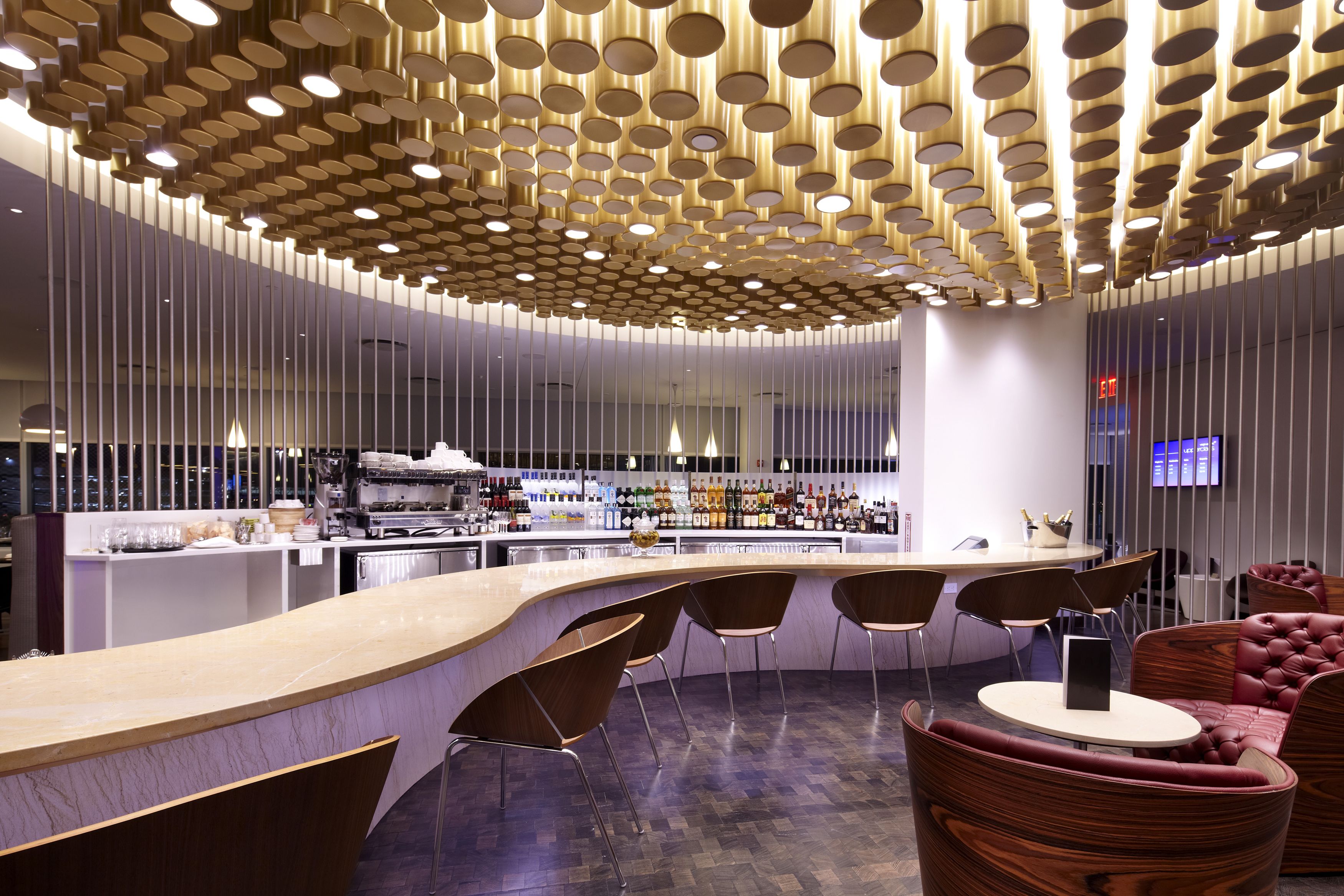
Residential-Inspired Tracery: Leading spaces, such as Cathay Pacific’s The Pier in Hong Kong, discard sterile airport aesthetics in favor of a residential design language. Utilizing natural materials like warm wood, tactile stone, soft acoustics, and low-level ambient lighting shifts passengers out of a manic transit mindset and into a tranquil, home-like state of focus.
-
The À La Carte Culinary Blueprint: While high-volume buffets remain a structural baseline, premier lounges like the Delta One Lounge (JFK) and the Air Canada Signature Suite (Toronto) have pivoted to a sit-down, restaurant-style fine dining model. By isolating food production into dedicated à la carte dining rooms, these carriers provide a curated premium product that rivals high-end urban restaurants.
-
Multi-Tiered Wellness Pipelines: Modern long-haul itineraries necessitate advanced biological recovery zones. Flagship hubs, exemplified by Etihad Airways’ Premium Lounge in Abu Dhabi, deploy comprehensive wellness environments featuring in-house spas, private bookable shower suites, and quiet relaxation zones outfitted with elite ergonomics (e.g., Armani Casa furnishings) to actively combat circadian disruption.
-
Thematic Micro-Zoning: To accommodate diverse traveler demographics simultaneously, large-scale structures use programmatic spatial division. The KLM Crown Lounge in Amsterdam utilizes four distinct Dutch-inspired zones (Polder, Dutch Mountain, City, Sea) to create dedicated, self-contained micro-environments optimized for deep work, social engagement, or passive relaxation.
Strategic Deployment Matrix
Structuring a competitive premium ground strategy requires aligning spatial scale with clear target demographics and localized hub functionalities.
| Carrier & Lounge Profile | Primary Structural Anchor (USP) | Hospitality Modality | Hub Transit Profile |
|
1. Qatar Airways Al Mourjan (Doha) |
Grand architectural scale; marble flooring; soaring ceilings; “The Garden” northern extension with integrated natural greenery. | Ultra-luxury grand-scale hospitality | Central global mega-hub connecting high-volume transcontinental flows. |
|
2. Cathay Pacific The Pier (Hong Kong) |
Natural wood and stone materiality; iconic freshly prepared Noodle Bar; dedicated serene Tea House. | Understated, residential-inspired sensory isolation | Premium East Asian gateway focusing on long-haul transit recovery. |
|
3. Turkish Airlines Business Lounge (Istanbul) |
High-engagement lifestyle destination features (golf simulator, private cinema, gaming consoles, live cooking stations). | Immersive, culturally rich experiential hospitality | Massive Eurasian crossroads demanding high-throughput entertainment. |
|
4. Delta Air Lines Delta One Lounge (New York JFK) |
Highly restricted access; premium sit-down restaurant service; luxury dedicated shower suites. | Elite privacy and high-end service isolation | Competitive transcontinental and transatlantic origin-and-destination terminal. |
|
5. Etihad Airways Premium Lounge (Abu Dhabi) |
Three-floor layout; extensive spa, hair salon, and barbershop footprint; third-floor Constellation Bar. | Full-scale wellness and restorative lifestyle integration | Primary Middle Eastern node optimized for multi-hour long-haul layovers. |
Structural Vulnerabilities and Strategic Limitations
-
The Capacity & Democratization Paradox: The primary structural vulnerability facing modern flagship lounges is chronic overcrowding. The rapid democratization of lounge access via premium credit cards, alliance status tier-matching, and paid entry upgrades threatens the core value proposition of exclusivity. When a space reaches capacity saturation, it transforms from a luxury sanctuary back into a loud, functional terminal extension.
-
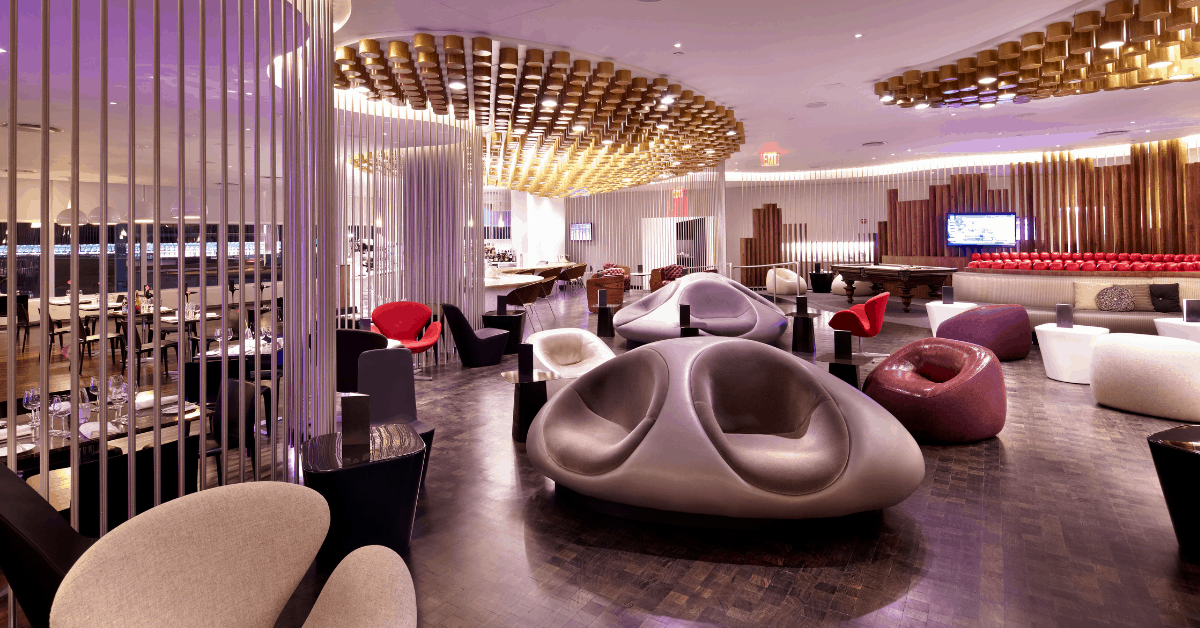
Lifestyle Aggression vs. Restorative Calm: Lounges that over-index on high-engagement entertainment assets (e.g., Turkish Airlines’ cinema and gaming spaces or Virgin Atlantic’s vibrant social Clubhouse) risk creating a chaotic, “circus-like” environment. This experiential layout can inadvertently alienate corporate or long-haul travelers seeking deep quiet, continuous connectivity, and uncompromised concentration.
-
Spatial Navigation & Distance Friction: Megastructures like the original Al Mourjan or the sprawling multi-level KLM Crown Lounge present significant spatial navigation challenges. Forcing passengers to traverse vast physical distances or scale multiple levels to move between a quiet resting armchair and a hot dining area introduces unnecessary physical friction, undermining the core objective of seamless relaxation.
-
Culinary Throughput Bottlenecks: Transitioning to high-end, sit-down à la carte service structures creates acute operational dependencies. During peak departure banks, the kitchen throughput capacity can choke, leading to extensive table wait times, rushed service, and compromised culinary execution that damages the brand’s premium reputation.
Conclusion
The strategic verdict on global premium aviation ground spaces is that understated luxury, elite privacy, and seamless operational flow consistently outperform loud, cavernous spectacle. While Middle Eastern mega-lounges command attention through sheer architectural volume and extensive wellness installations, East Asian and select North American boutique structures succeed by engineering hyper-restricted, residential-style sanctuaries that treat time and quiet as the ultimate modern luxuries. As premium passenger volumes continue to surge, the definitive winners will be the carriers that successfully implement strict capacity controls and precise spatial micro-zoning to preserve the integrity of their ground oases.
Also Read : Strategic Breakdown of the iPhone 18 Pro Leaks