 By
By 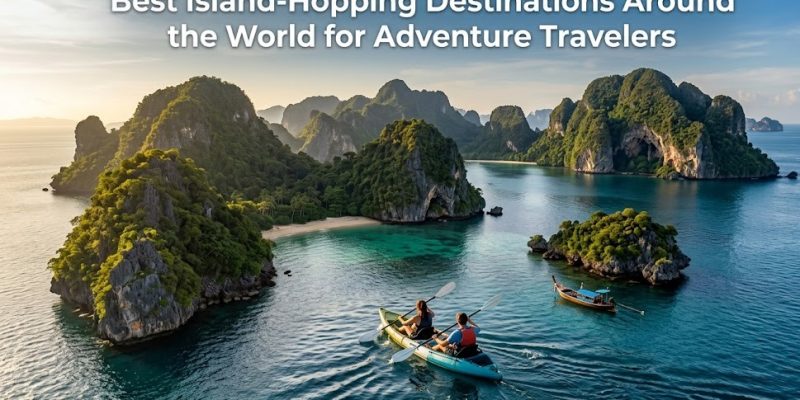
Booking a standard beach vacation has been thoroughly commoditized by modern online travel portals. However, engineering an extensive island-hopping itinerary—a multi-destination journey that systematically connects distinct islands via regional aviation or maritime networks—remains a complex logistical challenge. Moving between multiple islands within a single archipelago introduces deep geographic variety, allowing travelers to experience shifting microclimates, distinct cultural traditions, and unique coastal ecologies within a single vacation framework.
This professional travel architecture guide deconstructs the operational mechanics, transit frameworks, and geographic profiles of the world’s premier island-hopping destinations.
Technical Mechanics: Archipelago Logistics and Itinerary Balancing
Designing a seamless multi-island itinerary requires minimizing transit friction to preserve the relaxed pace of a coastal vacation.
-
The Travel-to-Stay Ratio Rule: A standard, high-performance island-hopping itinerary must enforce a strict minimum threshold of 3 to 4 nights per island. Attempting to execute single- or double-night stays forces travelers into a perpetual cycle of checking out of hotels, packing luggage, and navigating security checkpoints, which rapidly causes travel fatigue.
-
Transit Node Integration: Archipelagos utilize either hub-and-spoke models (where travelers must return to a central island or mainland terminal to catch connecting flights) or linear ferry paths. Maximizing efficiency requires booking multi-city “open-jaw” flights—flying into the primary gateway island and departing from the final outer island—to eliminate redundant backtracking across the network.
-
The Contrast Matrix: To maximize the psychological impact of travel, consecutive islands should feature high contrast in landscape density or infrastructure. Combining a high-density, culturally active island with a low-density, car-free ecological sanctuary creates a well-rounded and engaging travel loop.
Geographic Analysis: The World’s Premier Island-Hopping Nodes
Five specific global regions offer optimal structural conditions for multi-island exploration due to their dense island clusters and highly developed tourist transit networks.
1. The Hawaiian Archipelago, United States
Hawaii offers stark volcanic contrasts and diverse ecologies across short, high-frequency inter-island flight paths. It stands as a premier example of a high-infrastructure hub-and-spoke network.
-
Oahu: The high-density cultural and political anchor, home to Honolulu, historic Pearl Harbor sites, and the urban resort strip of Waikiki.
-
Maui: A mid-density resort hub celebrated for seasonal humpback whale migrations and the highly technical, winding marine highway of the Road to Hana.
-
Kauai: A low-density geological marvel defined by the towering emerald cliffs of the Na Pali Coast and deeply carved rainforest river valleys.
-
Hawaii Island (Big Island): A dynamic, high-contrast landscape featuring active basaltic shield volcanoes, expansive lava deserts, and unique black-sand beaches.
2. The Cyclades Cluster, Greece
Scattered across the Aegean Sea, the Greek islands feature a dense maritime web of high-speed catamarans and public ferries, establishing Greece as Europe’s classic multi-island destination.
-
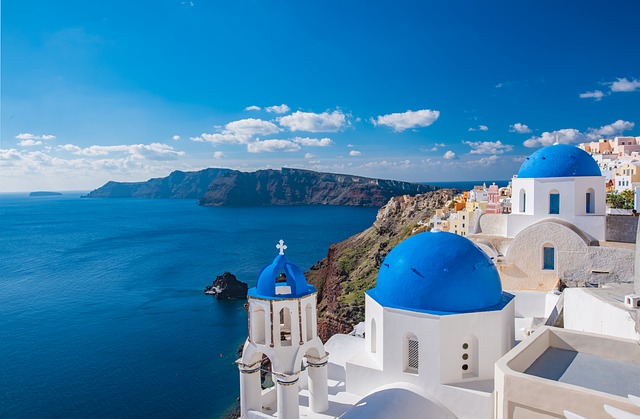
Santorini (Thira): The dramatic architectural anchor, famous for whitewashed villages built along the steep inner rim of a massive volcanic caldera.
-
Mykonos: A high-energy lifestyle destination known for its white sand beaches, upscale harbor dining, and active nightlife.
-
Crete: The massive southern anchor, holding independent agricultural supply lines, ancient Minoan archaeological ruins, and deep rugged gorges.
3. Southern Thailand (Andaman Sea & Gulf Clusters)
Thailand features dramatic karst topography, where towers of limestone rise vertically out of turquoise waters. Its networks are navigated smoothly via speedboats, traditional longtail boats, and regional ferries.
-
The Andaman Sea Route: Connects the primary international airport gateway of Phuket with the sheer limestone cliffs and emerald marine lagoons of the Phi Phi Islands, concluding at the quiet, low-development sandy beaches of Koh Lanta.
-
The Gulf of Thailand Route: Links the upscale resort infrastructure of Koh Samui with the secluded coves of Koh Phangan and the deep coral reefs of Koh Tao, a premier global hub for scuba diving.
4. The Adriatic Coastline, Croatia
Croatia’s island-hopping architecture is inherently historical, featuring intact medieval walled towns sitting on islands positioned just off the Dalmatian coast, connected smoothly via coastal car ferries and private yachts.
-
Dubrovnik: The mainland medieval fortress city that serves as the southern structural gateway to the Adriatic.
-
Hvar: A sophisticated island hub blending historic Renaissance squares with rolling lavender fields and terraced coastal vineyards.
-
Korčula: A deeply preserved, low-density island town featuring narrow defensive street grids and centuries of maritime history.
5. Lesser Sunda Islands, Indonesia
Positioned across the Indonesian volcanic arc, this route provides an intentional balance of high-density Hindu cultural sites, raw volcanic terrain, and car-free marine sanctuaries.
-
Bali: The volcanic and spiritual center, globally recognized for its terraced rice paddies, ancient temples, and dense artisanal communities.
-
Lombok: A quieter, more rugged alternative dominated by the massive active stratovolcano of Mount Rinjani and uncrowded surf breaks.
-
Gili Islands: A trio of ultra-low-density, completely car-free coral islets that rely exclusively on bicycles and horse-drawn carts for local transport.

Global Island-Hopping Systemic Matrix
This operational reference matrix breaks down the world’s top five island-hopping regions by their primary transit mechanisms, optimal season windows, and core itinerary designs.
| Travel Node Region | Primary Transit Mechanism | Peak Climatic Window | Optimal Itinerary Design | Core Curated Benefit |
| Hawaii, USA | High-Frequency Regional Aviation | Year-Round | Oahu (3N) $\rightarrow$ Kauai (4N) $\rightarrow$ Maui (4N) | Drastic geological and ecological shifts across short flight paths. |
| Cyclades, Greece | High-Speed Hydrofoils & Ferries | May–October | Athens (2N) $\rightarrow$ Mykonos (3N) $\rightarrow$ Santorini (4N) | Seamless blend of classical antiquities with iconic cliffside maritime views. |
| Southern Thailand | Speedboats & Longtail Vessels | November–April | Phuket (3N) $\rightarrow$ Phi Phi (3N) $\rightarrow$ Koh Lanta (4N) | Exploration of dramatic limestone karst formations and emerald lagoons. |
| Dalmatia, Croatia | Coastal Catamarans & Yachts | June–September | Split (2N) $\rightarrow$ Hvar (3N) $\rightarrow$ Korčula (3N) $\rightarrow$ Dubrovnik | Pristine marine sailing mixed with exceptionally preserved medieval stone towns. |
| Nusa Tenggara, Indonesia | Speedboats & Regional Turboprops | May–October | Bali (4N) $\rightarrow$ Lombok (3N) $\rightarrow$ Gili Islands (3N) | High-contrast pairing of deep spiritual traditions with remote coral islets. |
Structural Vulnerabilities and Planning Safeguards
-
The Single-Point Maritime Failure Trap: Maritime ferry schedules across regions like the Cyclades or the Andaman Sea are completely subject to real-time marine weather conditions. High summer winds—such as the Aegean Meltemi—can trigger sudden, multi-day port closures. To protect your journey, never schedule an international flight home directly following a ferry transit. Always return to your final gateway city at least 24 hours before your long-haul flight to build a safe buffer against unexpected delays.
-
The Hidden Logistics Inflation: While booking multiple short flights or ferry tickets online appears affordable on paper, the downstream costs of baggage fees and ground transfers add up rapidly. A three-island itinerary requires coordinating six separate ground transfers between airports, ports, and hotels. Working with an enterprise travel planner like Enchanting Travels helps bundle these fragmented logistics into a single, seamless corporate contract, keeping transfers invisible to the traveler.
-
The Cultural and Ecological Etiquette Gap: Moving between distinct islands often means navigating entirely different local laws and cultural expectations within a small geographic area. For example, transitioning from the bustling, international resort environment of Bali to the conservative, traditional communities of neighboring Lombok requires immediate adjustments in dress and behavior. Always research localized customs and environmental rules—such as the strict ban on motorized vehicles across the Gili Islands—to ensure you minimize your footprint and respect host communities.
Conclusion
The definitive verdict on global itinerary design confirms that island hopping is the ultimate methodology for unlocking the full depth of the world’s coastal ecosystems. By avoiding the stagnant rhythm of single-resort vacations and structuring travel around strict multi-night stays and smart transit links, travelers can enjoy an extraordinary spectrum of human history and natural wonder within a single journey.
As tracked by luxury travel authorities like Enchanting Travels, the secret to a flawless vacation lies in matching careful logistical safeguards with a deep curiosity for the world. When your transport, lodging, and local transfers are perfectly aligned, the complex details of travel melt away entirely, leaving you free to fully experience the living magic of the world’s great archipelagos.
Also Read : 10 Most Colourful Cities in the World