 By
By 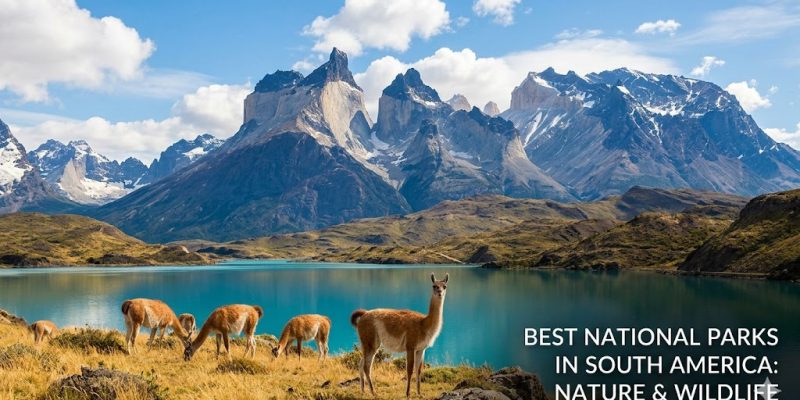
South America boasts a staggering network of more than 300 national parks, yet a significant majority of these protected areas remain entirely overshadowed by a few globally famous hotspots. Beyond the heavily trodden routes of Torres del Paine or Machu Picchu lies an incredible array of unsung wilderness areas. These range from massive, climate-resilient wetlands undergoing historic rewilding initiatives to high-altitude tropical mountain ranges holding deep-rooted Indigenous heritage. This comprehensive guide profiles 10 under-the-radar South American national parks, offering essential insights into their ecological structures, local cultures, and practical travel logistics.

1. Iberá National Park, Argentina
Situated in the far northern corridor of Argentina, the 13,000-square-kilometer Iberá National Park anchors the second-largest wetland system on Earth. This sprawling labyrinth of pristine lagoons, sub-tropical forests, and native grasslands is a premier habitat for capybaras, marsh deer, and caimans. It also serves as a vital sanctuary for over 360 migratory bird species—including kingfishers, egrets, and owls—between September and March.
-
Rewilding Success: Iberá stands as a global benchmark for ecological restoration. Ambitious, long-term rewilding initiatives have successfully reintroduced apex predators and key species, most notably the jaguar, which is currently making a powerful reproductive comeback.
-
Travel Dynamics: The marshlands are best explored via low-impact kayaking, horseback riding, or guided foot safaris departing from the gateway village of Colonia Carlos Pellegrini.
2. Sierra Nevada de Santa Marta National Natural Park, Colombia
Perched along Colombia’s northern Caribbean coastline, this park preserves the highest coastal mountain range on Earth. The terrain rises abruptly from sea-level beaches to the snow-capped peak of Pico Cristóbal Colón at 5,775 meters. The park’s layered thermal zones support a rich diversity of microclimates, ranging from humid tropical rainforests to high-altitude alpine tundra (páramo).
-
Indigenous Heritage: The region is the sacred ancestral birthplace of the ancient Tayrona civilization. Today, roughly 70,000 Indigenous descendants from the Kogui, Arhuaco, Kankuamo, and Wiwa communities reside within the park, actively maintaining their traditional spiritual and land-stewardship practices.
-
The Archaeological Moat: Hidden deep within the jungle canopy lies Ciudad Perdida (The Lost City), an ancient urban complex constructed around 800 AD—predating Peru’s Machu Picchu by several centuries. Accessing this sensitive heritage site requires a rigorous multi-day trek led by authorized local guides.
3. Patagonia National Park, Chile
For travelers seeking a pristine alternative to the heavily crowded trails of Torres del Paine, Patagonia National Park in Chile’s remote Aysén region offers an exceptional sanctuary. Spanning 174,500 square kilometers, the park is a testament to large-scale land conservation, having successfully transitioned from an overgrazed, commercial livestock estancia into a fully restored wilderness.
-
Grassland Restoration: Fences were systematically dismantled and thousands of cattle sold to allow native bunchgrasses and southern beech forests to regenerate. This habitat restoration has triggered a massive resurgence in native wildlife, including massive herds of guanacos, endangered huemul deer, and over 100 bird species.
-
Apex Predator Tracking: The recovery of the natural ecosystem has established the park as one of the absolute best locations in South America for spotting pumas in their natural, un-fenced environment.
4. Chicamocha National Park, Colombia
Located within the Santander department of Colombia, Chicamocha National Park is carved by one of the largest and deepest canyon systems in the world. Formed over 40 million years of intense tectonic and river erosion, the spectacular Chicamocha Canyon cuts across the landscape, stretching up to 227 kilometers in length and plunging to depths of 2,000 meters.
-
Terrain Navigation: The park features a state-of-the-art, 6.3-kilometer aerial cable car system that moves visitors directly across the canyon chasm, providing unparalleled panoramic views of the arid, rugged cliffs.
-
Cultural Exploration: Travelers can hop aboard a traditional, brightly painted chiva bus near the Monument to Santandereanidad to explore the rim trails, or take part in high-adrenaline paragliding and ziplining excursions.
5. Chapada Diamantina National Park, Brazil
Nestled deep in the central heart of Bahia, the 38,000-square-kilometer Chapada Diamantina National Park preserves an otherworldly landscape of massive, flat-topped mountains (tepuis), hidden cavern networks, and deep river valleys choked with Atlantic forest growth. Originally a bustling hub for subterranean diamond mining, the region was granted strict environmental protection in 1985.
-
Hydrological Marvels: The park houses some of Brazil’s most spectacular water features, including the 340-meter-high Cachoeira da Fumaça (Smoke Falls)—where the water drops so far it vaporizes into mist before hitting the canyon floor—and Poço Encantado, a deep cave pool that glows an intense electric blue when sunlight hits the water at precise seasonal angles.
-
Trekking Trails: Highly regarded as Brazil’s premier hiking destination, the park features an extensive network of old mining trails that accommodate everything from casual day walks to intense, multi-day wilderness treks.
6. Nahuel Huapi National Park, Argentina
Established over 90 years ago near the alpine hub of San Carlos de Bariloche, Nahuel Huapi is Argentina’s oldest national park. Teetering directly on the border with Chile, the park is defined by the striking glacial landscape of the Argentine Lake District, anchored by the massive, 100-kilometer-long Lago Nahuel Huapi.
-
Aquatic Mapping: The lake features deep, fjord-like arms that snake directly into the base of the surrounding snow-capped Andean peaks, feeding a network of hidden waterfalls, rushing river rapids, and pristine mountain creeks.
-
Active Recreation: The park is highly versatile, allowing travelers to smoothly transition from canoeing and kayaking along glassy glacial waters to navigating dense, spruce-blanketed mountain trails on foot or mountain bike.
7. Yasuní National Park, Ecuador
Spanning roughly 10,000 square kilometers along mainland Ecuador’s Amazonian basin, Yasuní National Park is scientifically recognized as one of the most biodiverse places on Earth. Positioned at the intersection of the Andes, the Amazon, and the Equator, a single hectare of Yasuní contains more tree species than the entirety of North America.
-
Wildlife Density: The dense canopy protects an incredible array of vulnerable wildlife—including jaguars, green anacondas, harpy eagles, and the pocket monkey, the world’s smallest primate. It also safeguards the ancestral territories of the Waorani and Kichwa Indigenous communities, including groups living in voluntary isolation.
-
Ecotourism Framework: To protect the delicate rainforest ecosystem, exploration must be conducted via low-impact guided canoe river excursions, canopy walkway observation, and staying in strictly regulated, community-integrated eco-lodges.
8. Tijuca National Park, Brazil
Tijuca National Park is a fascinating ecological anomaly: a 38-square-kilometer tropical rainforest enclave situated entirely within the urban city limits of Rio de Janeiro. Replanted by hand in the late 19th century to protect the city’s freshwater supply, it stands today as one of the largest urban forests in the world.
-
Urban Wildlife Corridors: Despite its proximity to a bustling metropolis, the park is a thriving habitat for capuchin monkeys, green iguanas, toucans, and brilliant blue morpho butterflies.
-
Topography Links: Marked hiking trails wind past hidden waterfalls and granite monoliths up to Pico da Tijuca, the park’s highest point. The reserve also houses Brazil’s most iconic landmark, the Christ the Redeemer statue atop Corcovado mountain.
9. Sajama National Park, Bolivia
While international travelers routinely flock to Bolivia’s famous Salar de Uyuni or Lake Titicaca, the high-altitude Sajama National Park remains a largely forgotten alpine treasure. Established as Bolivia’s very first national park, this altiplano reserve sits directly on the border with Chile, a few hours’ drive from La Paz.
-
Archaeoastronomy & Culture: The park features an array of ancient ruins, pre-Columbian cave paintings, and unique colonial architecture that has placed it on UNESCO’s tentative World Heritage list. It is also home to traditional Aymara Indigenous communities who have herded alpacas and llamas here for thousands of years.
-
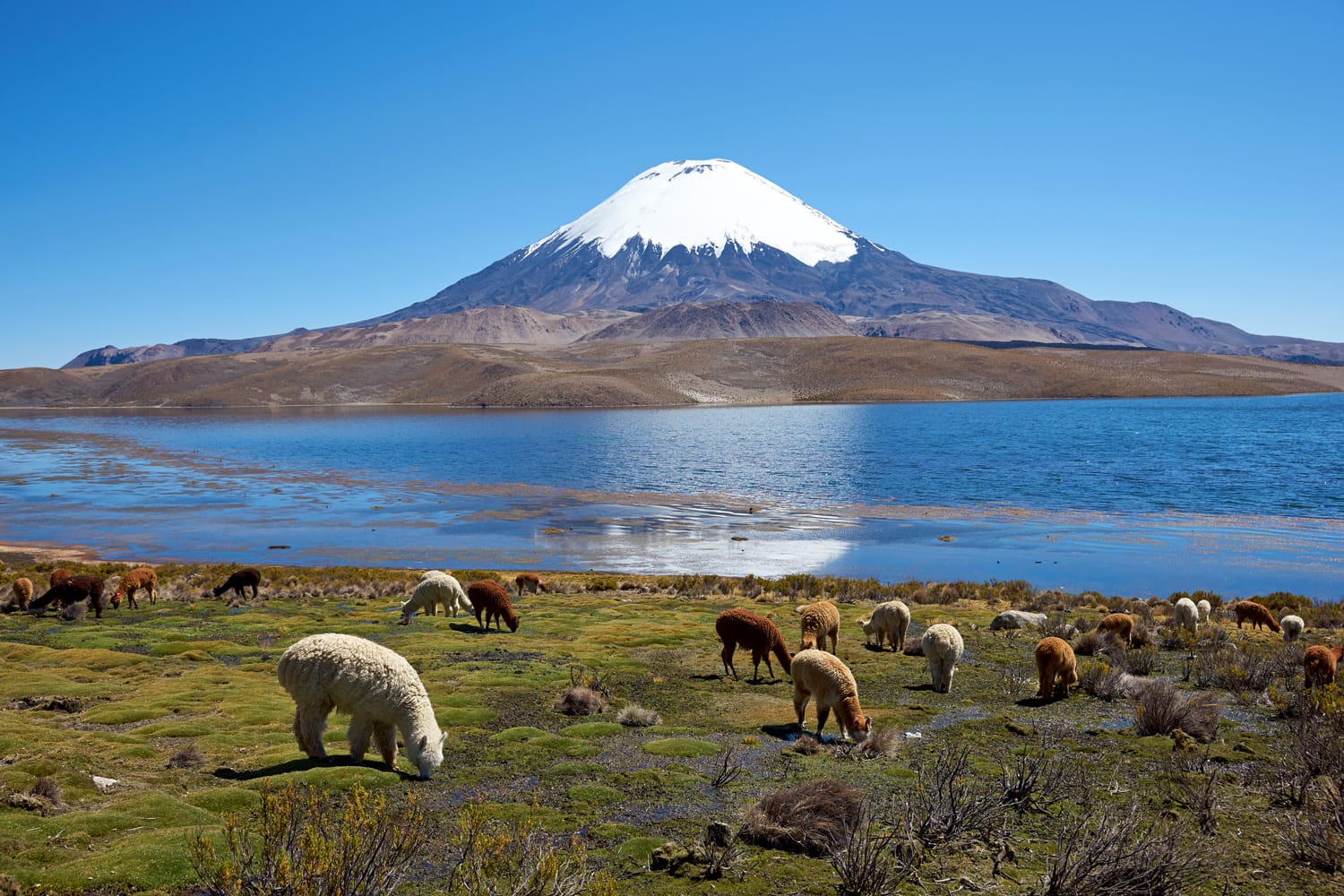
Extreme Geothermal Features: Set against the backdrop of Nevado Sajama—Bolivia’s highest mountain at 6,542 meters—the park’s terrain features high-altitude wetlands populated by Andean flamingos, natural boiling geysers, and steaming thermal hot springs open for therapeutic bathing.
10. Huascarán National Park, Peru
Located within the Cordillera Blanca, the world’s highest tropical mountain range, Huascarán National Park is an absolute paradise for high-altitude mountaineers and long-distance trekkers. The park features multiple jagged peaks that soar over 6,000 meters above sea level, dominated by the massive, 6,768-meter summit of Mount Huascarán.
-
Glacial Hydrology: Tucked between these soaring granite walls are hundreds of brilliant, gemstone-colored turquoise lagoons, formed continuously by the melting waters of roughly 600 glaciers.
-
High-Altitude Adaptation: Navigating the park’s demanding trails requires proper acclimatization to handle the thin air safely. Trekkers are rewarded with close-up views of the rare Puya Raimondi (Queen of the Andes)—a giant bromeliad that grows for up to a century before producing a massive flower spike—while majestic Andean condors soar on thermal currents overhead.
National Park Geographic & Ecological Matrix
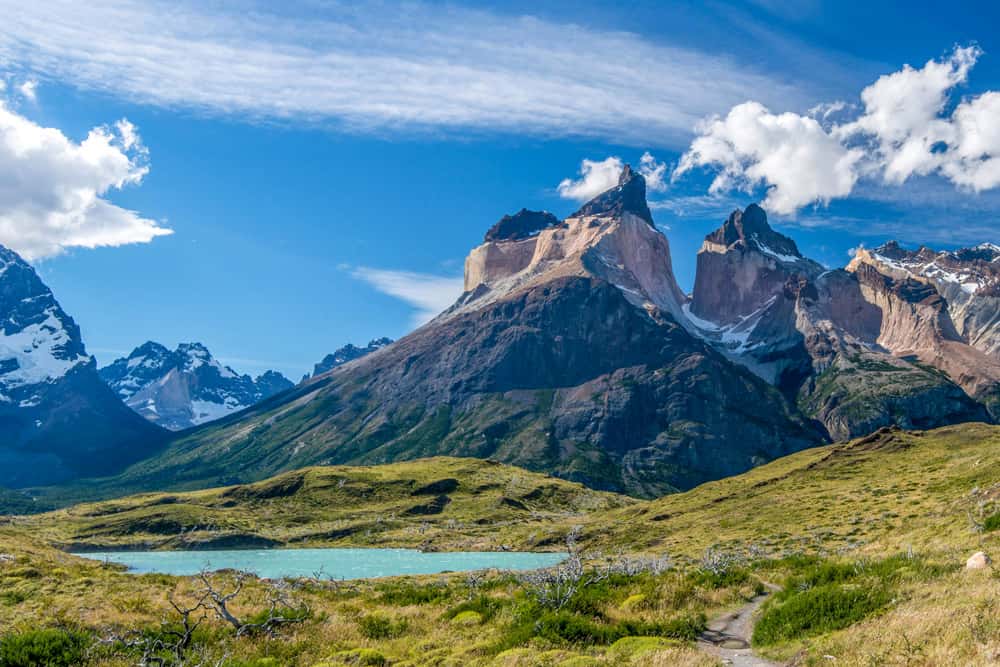
This comparative reference matrix summarizes South America’s top 10 under-the-radar national parks by their primary country, key ecosystem, and standout travel highlight.
| National Park | Country Location | Core Ecosystem Node | Signature Visual / Ecological Moat | Optimal Travel Window |
| Iberá | Argentina | Subtropical Wetland / Savanna | Rewilded jaguars and massive marsh deer populations. | September–March |
| Sierra Nevada | Colombia | Coastal Mountain / Rainforest | Indigenous Tayrona cultures and the Ciudad Perdida ruins. | December–March |
| Patagonia | Chile | Restored Steppe / Beech Forest | Elite puma tracking across vast, de-fenced grasslands. | November–April |
| Chicamocha | Colombia | Arid Canyon / Mountain Scrub | A massive 2,000-meter-deep chasm crossed by an aerial cable car. | December–February |
| Chapada Diamantina | Brazil | Flat-topped Tepuis / Valleys | The 340-meter-high Fumaça Falls and deep glowing cave pools. | May–October |
| Nahuel Huapi | Argentina | Glacial Lake / Andean Forest | Deep, snaking fjord-like lakes and Bariloche alpine trails. | November–March |
| Yasuní | Ecuador | Lowland Amazonian Rainforest | World-class tree and primate biodiversity near eco-lodges. | June–October |
| Tijuca | Brazil | Urban Atlantic Rainforest | Hand-planted mountain jungle framing the Christ the Redeemer statue. | Year-Round |
| Sajama | Bolivia | High-Altitude Altiplano / Geothermal | Natural hot springs set against Bolivia’s highest volcanic peak. | May–October |
| Huascarán | Peru | Tropical Glacial Mountain range | Dazzling turquoise glacial lagoons and soaring Andean condors. | May–September |
Structural Guidelines for Wilderness Travel
To ensure a safe, smooth, and responsible journey through South America’s remote national parks, keep these vital structural rules in mind:
-
Plan for High-Altitude Acclimatization: When visiting high-elevation parks like Huascarán or Sajama, where trailheads frequently start well above 3,000 meters, spend at least 2 to 3 days adjusting at lower elevations first. Drink plenty of water and limit intense physical exertion early in the trip to prevent altitude sickness.
-
Hire Certified, Local Guides: In remote regions—especially across the dense jungles of Yasuní or the ancestral Indigenous lands of Sierra Nevada de Santa Marta—traveling with a certified local guide is mandatory for safety and cultural respect. Local guides provide invaluable route navigation, bridge cultural communication gaps, and ensure your tourism spend directly supports the surrounding host community.
-
Pack Technical, Adaptable Gear: South American wilderness weather can shift rapidly, particularly along coastal mountain ranges and glacial valleys. Always pack high-quality, windproof and waterproof outer layers, sturdy and broken-in technical hiking boots, and a reliable headlamp. For sun and insect protection across tropical wetlands and cloud forests, use long-sleeved lightweight clothing and eco-friendly biodegradeable insect repellents.
Conclusion
The definitive conservation verdict on exploring South America’s lesser-known national parks confirms that looking past mainstream travel brochures rewards travelers with pure, unfiltered encounters with nature. Whether you are tracking wild pumas across the restored grasslands of Patagonia National Park in Chile or soaking in high-altitude hot springs beneath Bolivia’s highest peak in Sajama, these destinations show that large-scale conservation and sustainable travel go hand in hand. By matching your travel dates with optimal regional weather windows and sourcing up-to-date threat and trail conditions across specialized environmental journals like Wanderlust, you can safely step off the beaten path to experience the raw, living ecosystems that make South America truly unforgettable.
Also Read : 10 Most Colourful Cities in the World