 By
By 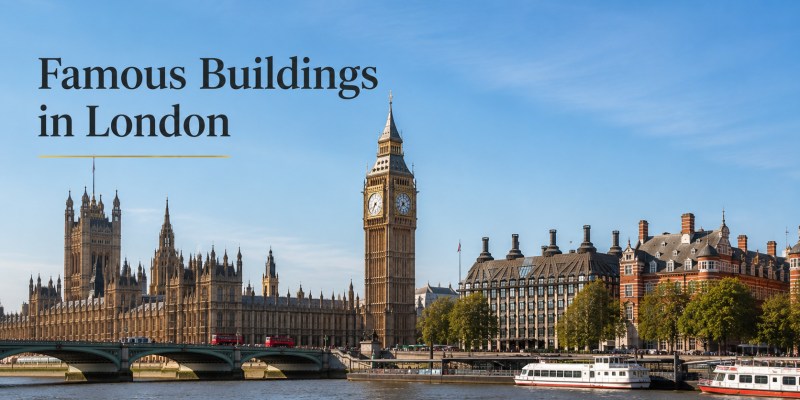
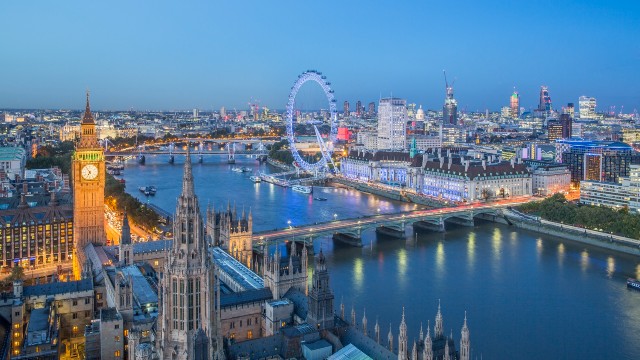
The London skyline operates as a living, three-dimensional historical timeline. It weaves medieval strongholds, Victorian engineering, and early 20th-century industrial complexes together with cutting-edge, late-modernist skyscrapers. The capital’s unique architectural identity relies on its ability to balance intense preservation mandates with bold structural innovation.
From Christopher Wren’s Portland-stone mathematical geometry at St Paul’s to Richard Rogers’ radical, exposed engineering at the Lloyd’s Building, London’s architectural evolution is a masterclass in adaptation. This detailed survey breaks down the structural mechanics, historical significance, and design frameworks of the city’s twenty most iconic structures.

Technical Mechanics: High-Tech Structural Expressionism and Adaptive Industrial Reuse
Understanding London’s structural landscape requires examining several key engineering concepts and architectural styles.
                      [ THE SKYLINE INTELLIGENCE PROTOCOL ]
                                       │
         Coexistence of Classical Load-Bearing and Steel-Frame Systems
                                       │
         ┌─────────────────────────────┴─────────────────────────────┐
         ▼                                                           ▼
┌──────────────────────────────────┐                        ┌──────────────────────────────────┐
│ HIGH-TECH STRUCTURAL EXPRESSION  │                        │   ADAPTIVE INDUSTRIAL REUSE      │
│ Rogers and Foster turn function  │                        │ Art Deco coal plants shift into  │
│ into form, moving service ducts  │                        │ commercial retail hubs via massive│
│ outward to open massive atrium floors.│                   │ interior structural conversions. │
└────────────────┬─────────────────┘                        └────────────────┬─────────────────┘
                 │                                                           │
                 ▼                                                           ▼
┌──────────────────────────────────────────────────────────────────────────────────────────────┐
│                              THE URBAN REGENERATION WAVE                                     │
│ - Rigid Portland stone foundations anchor 17th-century mathematical cathedrals.             │
│ - Advanced diagrid steel frameworks distribute high wind loads on rounded skyscrapers.       │
│ - Post-war Brutalist concrete grids create self-contained arts and housing cities.           │
└──────────────────────────────────────────────────────────────────────────────────────────────┘
1. High-Tech Structural Expressionism (The Inside-Out Model)
London served as the primary cradle for late-modern High-Tech architecture, a movement that celebrates raw mechanical and structural elements rather than hiding them behind decorative walls. Richard Rogers’ Lloyd’s Building (1986) stands as the ultimate example of this style. By moving all functional systems—including water pipes, electrical conduits, elevator shafts, and external maintenance cranes—to the outside of the building, Rogers kept the interior atrium completely open. This design choice maximizes flexible workspace layouts while creating a striking, industrial-futurist exterior.
2. Aerodynamic Wind Optimization via Diagrid Systems
As modern skyscrapers grew past the 150-meter threshold, structural engineers had to find creative ways to handle high-velocity wind loads. Norman Foster’s 30 St Mary Axe (The Gherkin) solved this problem by pioneering a progressive, curved diagrid structural steel framework. The building’s rounded, aerodynamic shape naturally splits incoming wind streams, channeling them around the curved facade. This design drastically reduces wind resistance, eliminating the need for bulky internal support columns and allowing for highly efficient, energy-saving airflow.
3. Adaptive Industrial Re-use and Structural Conversions
Faced with strict historic preservation rules, London has mastered the art of industrial rejuvenation—the practice of converting old utility structures into thriving public spaces. The successful rebirth of Battersea Power Station (reopened in 2022) proves that historic brick monuments can find new life in the modern economy. Engineers shored up the massive Art Deco brick shell and fully rebuilt its four crumbling iconic white concrete chimneys, creating a stunning backdrop for a multi-level shopping, dining, and workspace hub, an approach praised by historians at Insight Vacations.

The London Master Architecture Ledger
This database catalog tracks the architectural styles, construction eras, and primary engineering parameters of the top 20 essential structures defining London’s built environment.
| Building Nomenclature | Era of Completion | Core Architectural Style | Primary Construction Material | Distinctive Engineering Feature |
| 1. St Paul’s Cathedral | 1710 | Baroque / English Classical | Portland Limestone Block | 365-foot triple-layer catenary brick dome system. |
| 2. Tower Bridge | 1894 | Victorian Gothic Revival | Steel Frame / Granite Shell | Original steam-powered hydraulic bascule lifting machinery. |
| 3. Palace of Westminster | 1860 | Perpendicular Gothic Revival | Anston Magnesian Limestone | Rigid riverside facade balancing the iconic Elizabeth Tower. |
| 4. Buckingham Palace | 1850 / 1913 | Neoclassical | Portland Stone Refacing | 775-room structural floor grid managed for royal state use. |
| 5. The British Museum | 1852 / 2000 | Neoclassical / Modern Tech | Greek Revival Stone / Steel | Foster’s glazed Great Court roof using 3,312 glass panels. |
| 6. Westminster Abbey | 1269 | Collegiate Gothic | Caen Stone / Reigate Stone | Intricate, soaring stone rib vaults and flying buttress loops. |
| 7. The Shard | 2012 | Neo-Futurism / High-Tech | Steel Core / Low-Iron Glass | Renzo Piano’s 310m spire using an advanced sloped layout. |
| 8. 30 St Mary Axe (Gherkin) | 2004 | High-Tech / Eco-Modernism | Diagrid Steel Structure | Spiraling glass columns that pull air down for natural cooling. |
| 9. Battersea Power Station | 1953 / 2022 | Industrial Art Deco brick | Flemish Bond Brickwork | Four rebuilt white concrete wash chimneys with glass lifts. |
| 10. Natural History Museum | 1881 | Romanesque Revival | Architectural Terracotta | Extensive structural terracotta blocks carved with nature icons. |
| 11. The National Gallery | 1838 | Neoclassical | Portland Stone Blocks | Grand central Corinthian portico facing Trafalgar Square. |
| 12. Royal Albert Hall | 1871 | Italianate / Victorian | Red Brick / Terracotta | Massive self-supporting glazed iron dome roof structure. |
| 13. Shakespeare’s Globe | 1997 | Historical Reconstruction | Green Oak / Water Reed Thatch | Authentic Elizabethan timber framing using mortise and tenon joints. |
| 14. The Barbican Centre | 1982 | Brutalism | Pick-Hammered Concrete | Massive, self-contained post-war concrete grid apartments. |
| 15. King’s Cross Station | 1852 / 2012 | Early Victorian / Neo-Futurism | Brick / Tubular Steel Grid | John McAslan’s 2012 steel wave roof concourse canopy. |
| 16. The Royal Exchange | 1844 | Neoclassical | Portland Stone / Roman Base | Grand eight-column Corinthian portico entrance display. |
| 17. Somerset House | 1801 | Georgian Neoclassical | Load-Bearing Limestone | Massive riverside courtyard layout built for civil service use. |
| 18. The Lloyd’s Building | 1986 | High-Tech / Late Modernism | Stainless Steel / Marine Glass | Exterior service towers holding mechanical ducts and lifts. |
| 19. The O2 Arena | 2000 | Tensile Cable Architecture | Coated Glass Fiber Fabric | Twelve 100m yellow steel masts holding a vast fabric canopy. |
| 20. The London Eye | 2000 | Structural Tension Wheel | Carbon Steel A-Frame | Giant canted A-frame holding a cable-tensioned wheel rim. |
Architectural Deep Dive of Key Structures
Classical Masterpieces & Engineering Milestones
Sir Christopher Wren’s St Paul’s Cathedral (1710) remains the foundational structural anchor of the City of London. Built after the Great Fire of 1666, its iconic dome utilizes a brilliant triple-shell system. An internal catenary brick cone provides hidden support for the heavy stone lantern above, while a decorative timber dome clad in lead creates its famous silhouette.
Down the river, Tower Bridge (1894) stands as a triumph of late-Victorian industrial design. To satisfy municipal rules requiring the bridge to blend with the nearby Tower of London, engineers built an advanced structural steel framework hidden beneath a decorative facade of Cornish granite and Portland stone. This innovative design houses the massive hydraulic machinery needed to swing the 1,000-ton bascules open for passing river traffic.
Modern Icons & Post-War Innovations
Renzo Piano’s The Shard (2012) redefined the capital’s modern skyline, soaring 310 meters above Southwark to claim its spot as the tallest building in the United Kingdom. Its sloped, glass-paneled towers are designed as a “vertical city,” mixing office space, fine dining, and luxury living tiers. The building’s exterior uses specialized low-iron glass sheets that naturally reflect the ever-changing light of the London sky.
In sharp contrast to this airy glass design sits the Barbican Centre (1982), a monumental symbol of post-war British Brutalism. Constructed entirely of pick-hammered, rough-textured concrete, the self-contained complex links arts venues, elevated walkways, and residential blocks together, standing as a bold testament to late 20th-century urban planning.
Technical Safety and Public Access Logistics Protocols
To safely navigate crowded historic districts, manage high-altitude observation lines, and protect historic building materials, visitors should follow these core logistics protocols:
Conclusion
The definitive architectural assessment of London’s built environment confirms that the capital’s global appeal lies in its continuous dialogue between the past and the future. By balancing the restoration of classical stone cathedrals with the construction of energy-efficient, high-tech glass towers, the city serves as an international laboratory for progressive urban design.
As changing environmental standards demand greener buildings and modern engineering embraces adaptive re-use, the strategy for preserving London’s character remains clear. Integrating advanced structural engineering with a deep respect for historic architecture ensures that the capital’s skyline will continue to inspire and adapt for generations to come.