 By
By 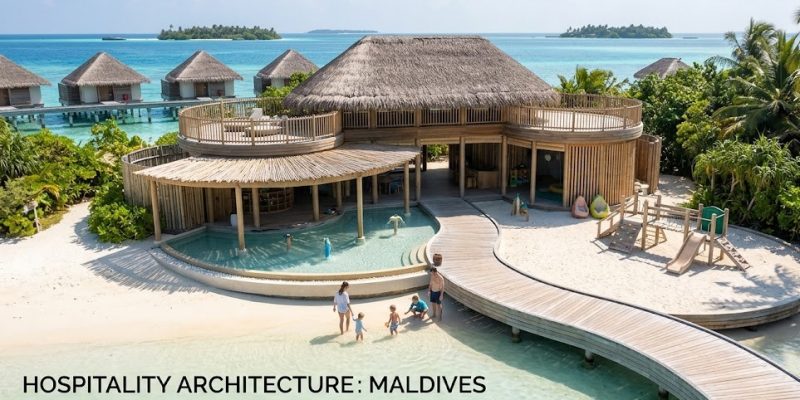
The luxury tourism sector in the Maldives has undergone a structural evolution, transitioning from an exclusive honeymoon destination into a premier global hub for multi-generational luxury travel. Curating a high-end family holiday requires shifting past generic amenities toward fully integrated child- and teen-centric infrastructure. Based on the comprehensive catalog compiled by platform founder Rozenn, this intelligence brief deconstructs the tactical deployment of top-tier kids’ clubs, specialized programming, and layout configurations across the archipelago’s standout properties.

Technical Mechanics: Luxury Family Infrastructure
The optimization of family-oriented luxury resorts depends on creating isolated yet engaging environments that cater simultaneously to children, teenagers, and exigent parents.
-
Immersive Youth Programming: Leading properties are replacing standard playroom setups with high-concept spaces. Soneva Jani’s flagship youth facility, The DEN, operates as a specialized wonderland, featuring dedicated kids’ and teens’ activity tracks designed to blend creative learning with island exploration and technology-free play.
-
Integrated Multi-Bedroom Footprints: Accommodating large families necessitates sprawling, complex configurations. Soneva Fushi deploys a diverse array of tiered assets—ranging from 2-bedroom Crusoe Villas with private pools to 8-bedroom Private Residences and multi-room Jungle Reserves—ensuring structural versatility for varied family dynamics.
-
The Educational & Marine Convergence: High-end hospitality increasingly leverages the destination’s natural environment. Properties like Four Seasons Resort Maldives at Landaa Giraavaru integrate hands-on marine biology modules directly into their youth programs via the Kuda Velaa Kids Club, allowing young guests to engage with local coral propagation and conservation efforts.
Strategic Deployment: Top-Tier Maldives Youth Clubs
Structuring a luxury family itinerary requires aligning specific resort profiles with the specialized capabilities of their kids’ clubs and recreational infrastructures.
| Luxury Resort Property | Dedicated Youth Facility / Program | Target Demographic Focus | Signature Layout Advantage |
| Soneva Jani | The DEN | Kids & Teens tracks | Multi-story creative wonderland space. |
| Four Seasons Landaa Giraavaru | Kuda Velaa & Marine Biology | Educational / Conservation | Interconnected family villas with direct beach access. |
| Four Seasons Kuda Huraa | Kuda Koamas & Surf Academy | Active / Water Sports | Specialized family villa kids’ rooms and tailored spa treatments. |
| Kandima Maldives | Kandiland | Active Play / Exploration | Features an indoor play area, outdoor pirate ship, trampoline, and mini water park. |
| Niyama Private Islands | Explorers Kids Club | Highly Stratified Age Groups | Age-specific programming from 12 months up to 12 years with immersive jungle themes. |
| Anantara Kihavah | Kids Club & Astronomical Track | Exploration & Wellness | Specialized family beach villas with dedicated children’s quarters. |

Structural Vulnerabilities and Strategic Limitations
-
Age Restriction Rigidities: A primary friction point in luxury family booking is the enforcement of strict age thresholds. While select properties accept children aged three and under, many flagship kids’ clubs enforce a strict 4-plus requirement checked via passport validation. This parameter creates a significant operational gap for families with toddlers who do not yet qualify for unsupervised club access.
-
Demographic Conflict (Surfing vs. Youth Care): Finding a resort that perfectly balances top-tier surfing breaks with comprehensive, lower-age youth care is a persistent logistical challenge in the Maldives. Properties with immediate access to surf breaks often lack the soft lagoon dynamics and sprawling kids’ club infrastructure required by younger children, forcing parents to compromise on recreational priorities.
-
The Seaplane Transfer Friction: Accessing isolated family paradises like Six Senses Laamu or Dusit Thani frequently requires secondary seaplane transfers. While highly scenic for adults, navigating multi-hour transit windows with small children poses immediate logistical strains, making closer atoll properties highly attractive alternatives for parents seeking minimal transit friction.
Conclusion
The strategic verdict for high-end hospitality in the Maldives is that long-term asset viability relies heavily on capturing the multi-generational family market. Properties that successfully integrate specialized, unbureaucratic youth care—such as the digital-free wonderlands of Soneva, the dynamic infrastructure of Kandima, or the eco-educational models of the Four Seasons—effectively command premium booking rates. For luxury travel planners, selecting the ideal destination mandates a meticulous matching of the child’s exact developmental age against a resort’s specific structural and marine constraints.
Also Read : Vienna Travel Logistics and Cultural Tourism