 By
By 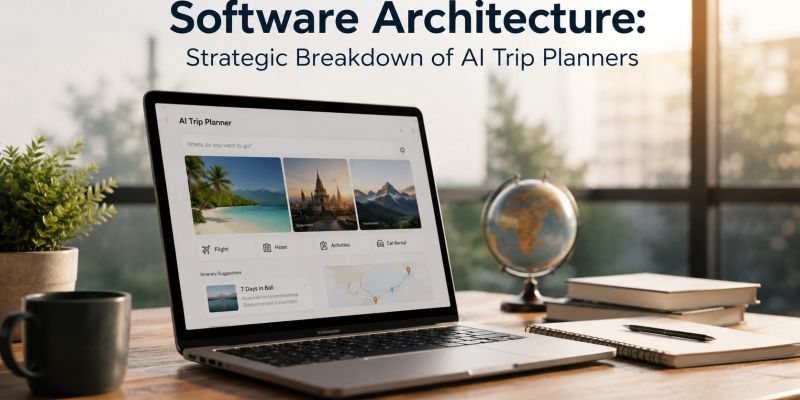
The integration of artificial intelligence into consumer travel logistics marks a definitive shift in how users interface with global booking engines. As highlighted by the recent EaseMyTrip industry analysis, legacy travel agents and static search forms are rapidly being displaced by conversational AI planning models. By compressing multi-tab research cycles into unified, natural-language interactions, these platforms are mitigating decision fatigue and engineering highly personalized itineraries in real-time. This intelligence brief deconstructs the algorithmic mechanics, behavioral optimization, and systemic vulnerabilities defining the new era of automated travel planning.

Technical Mechanics: Algorithmic Routing & Predictive Personalization
Transitioning a user from open-ended travel inspiration to a finalized booking requires complex backend data synthesis operating at high velocities.
-
Conversational Interface Compression: Traditional booking platforms required rigid, sequential inputs (dates, locations, passenger counts). Modern AI architectures deploy Natural Language Processing (NLP) to parse complex, multi-variable requests—such as “weekend trips from Mumbai with good weather and family-friendly hotels.” The system translates these conversational inputs into simultaneous, multi-database queries, drastically compressing the standard research timeline.
-
Machine Learning Behavioral Optimization: Early booking engines relied on static filtering, prioritizing absolute lowest cost regardless of convenience. Current AI tools utilize machine learning to recognize and adapt to individual user patterns. If a user consistently bypasses the cheapest flights in favor of shorter layovers, or prioritizes boutique hotels over large chains, the algorithm automatically adjusts future output hierarchies to match these unspoken preferences.
-
Concurrent Multi-Variable Analysis: When building dynamic itineraries, AI travel assistants analyze an overlapping matrix of data points that human agents cannot process simultaneously. This includes cross-referencing real-time flight pricing, localized hotel availability, optimal airport transit routes, and dynamic cancellation policies to generate holistic travel packages instantly.
Strategic Deployment Matrix
Executing a seamless AI travel platform requires understanding how automation replaces specific points of friction within the traditional booking lifecycle.
| Operational Phase | Traditional Methodology | AI-Optimized Execution |
| Initial Research | Manually cross-referencing multiple browser tabs for flights, hotels, and local reviews. | Unified, conversational prompt generates synthesized data streams within a single chat interface. |
| Data Filtering | Sequential manual filtering by price, location, and specific amenities. | Predictive algorithms automatically rank options based on historical user behavior and stated travel intent. |
| Itinerary Construction | Piecing together disjointed bookings and manually calculating transit times. | Automated route optimization connecting flights, ground transport, and lodging into a cohesive timeline. |

Structural Vulnerabilities and Systemic Limitations
-
The Volatility of Real-Time APIs: Travel logistics are inherently unstable. AI planners rely heavily on external APIs to pull flight schedules, room availability, and pricing. Because these variables fluctuate by the minute, an AI-generated itinerary can become invalid between the moment of generation and the point of user confirmation, leading to severe transaction friction.
-
The Hallucination of Practicality: While algorithms excel at data aggregation, they occasionally lack spatial or logistical common sense. An AI might suggest a “highly rated” hotel that looks close to a destination on a map, failing to recognize a geographical barrier (like a river without a bridge or a major highway) that makes the location highly impractical for a walking tourist.
-
The Necessity of Human Oversight: Despite advancements in automation, highly complex journeys—such as multi-country honeymoons, medical tourism, or visa-dependent routing—still require a layer of human judgment. Automated systems are currently best deployed as advanced research and filtering tools, with the final verification and contingency planning remaining the responsibility of the traveler.
Conclusion
The strategic verdict on AI trip planners is that they have successfully re-engineered the top of the travel booking funnel. By replacing rigid search forms with adaptive, natural-language models, platforms like EaseMyTrip are transforming complex logistical research into frictionless conversations. While the technology requires ongoing refinement to navigate the volatile nature of live booking APIs, its ability to instantly synthesize massive datasets into personalized, actionable itineraries cements its role as a permanent fixture in the modern digital travel architecture.
Also Read :Hospitality Architecture: Strategic Breakdown of Elite Maldives Family Resorts