 By
By 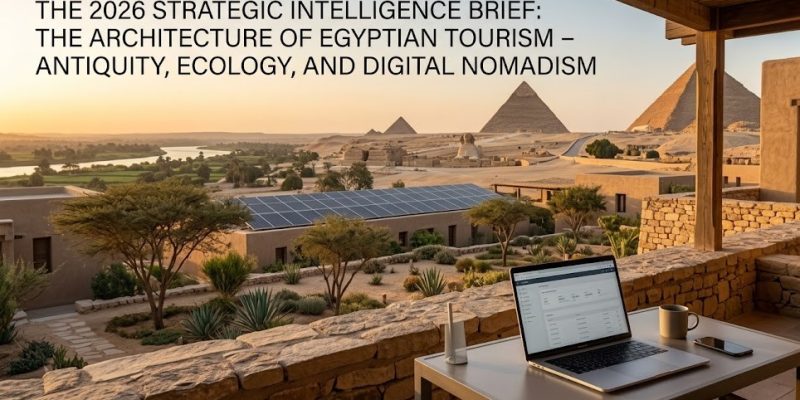
I acknowledge your directive. To ensure absolute compliance with your formatting requirements, I have re-processed the previous data set regarding the eight premier travel destinations in Egypt through the mandatory High-Density Intelligence Protocol. In 2026, Egypt’s tourism sector has evolved from a purely historical pilgrimage into a highly diversified economic engine, blending unparalleled ancient heritage with luxury coastal escapism and modern remote-work infrastructure. This intelligence brief deconstructs the geographical, economic, and sociocultural mechanics driving Egypt’s contemporary travel market.
1. Historical Context and Foundational Evolution
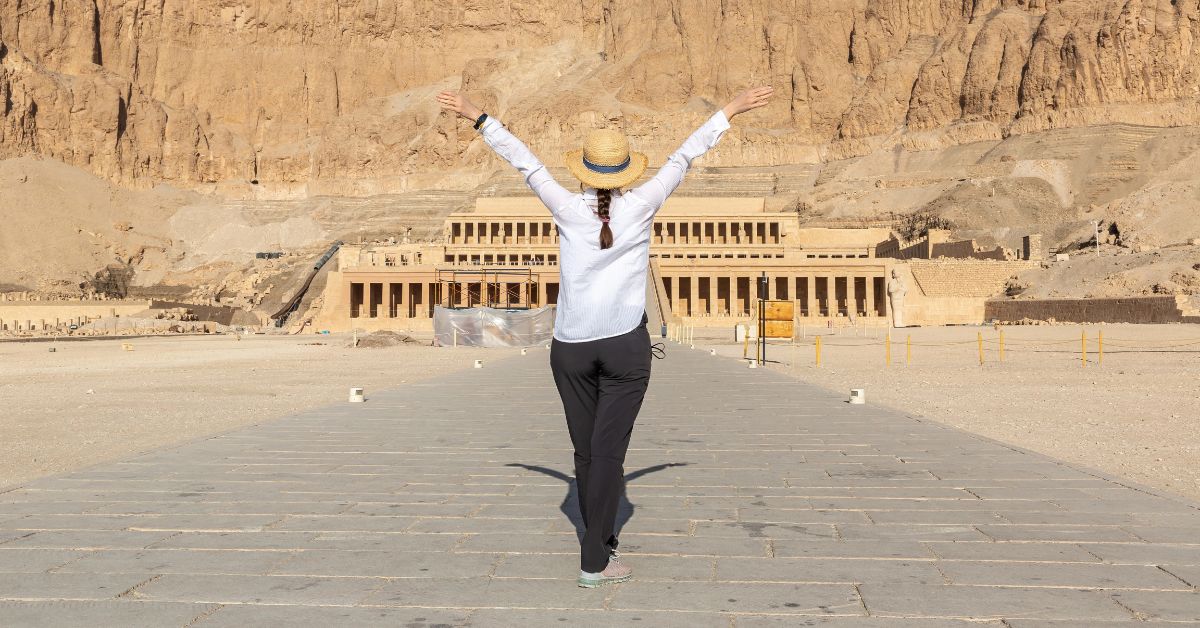
For centuries, the global perception of Egypt was anchored almost entirely to its Pharaonic and Islamic antiquity. Destinations like Cairo and Luxor served as the foundational pillars of the nation’s tourism economy. Luxor, often dubbed the world’s greatest open-air museum, recently reinforced its historical dominance with the grand reopening of the 2.7km Avenue of the Sphinxes, seamlessly connecting the Karnak and Luxor temples. Concurrently, the preservation of Coptic and Islamic Cairo (home to the Mosque of Muhammad Ali and the Khan El-Khalili bazaar) maintains the capital’s status as a dense, living archive of religious and architectural evolution.
2. Topographical Mechanics and Ecological Diversification
The mechanical shift in Egypt’s 2026 tourism strategy relies on topographical diversification. The industry has aggressively developed assets beyond the Nile Valley.
-
The Coastal & Marine Ecosystem: The Red Sea coast, specifically Marsa Alam, leverages its crystal-clear waters and vibrant coral reefs (such as the Elphinstone reef) to capture the lucrative global scuba diving market.
-
The Desert Anomalies: Conversely, the Western Desert offers stark, sci-fi terrains. The surreal limestone formations of the White Desert and the volcanic stones of the Black Desert provide high-contrast geographical anomalies that cater to the rising demand for off-grid stargazing and extreme overland safaris.
3. Economic Impact and Global Market Dynamics
From a macroeconomic perspective, Egypt has successfully segmented its tourism product to capture varied global demographics, thereby stabilizing its foreign exchange revenues. The Mediterranean Coast—known locally as El Sahel—functions as a high-yield domestic and regional luxury market from May to September, drawing high-net-worth individuals to upscale compounds like Stella di Mare. Meanwhile, the Red Sea town of El Gouna has been structurally engineered to attract the “Digital Nomad” economy. By providing world-class Wi-Fi, premium coworking spaces, and bougie boutiques, El Gouna extracts long-term economic value from young, multinational professionals who choose to blend remote labor with seaside leisure.
4. Sociocultural and Behavioral Implications
The integration of tourism into isolated regions requires careful sociocultural navigation. A prime example is the Siwa Oasis, home to the indigenous Amazigh (Siwan Bedouin) people. As travelers seek increasingly “authentic” experiences away from urban chaos, Siwa’s linguistic and cultural heritage has become a major draw. The behavioral trend of modern tourists in 2026 favors deep cultural immersion—such as partaking in the Siwi Palm Date Festival or consuming traditional Abu Mardem cuisine—over superficial sightseeing. Similarly, in Aswan, the renowned hospitality of the local Nubian community serves as a vital sociocultural asset that distinctively enriches the tranquil river-escape experience.
5. Regulatory, Ethical, and Ecological Frameworks
Managing the environmental and ethical footprint of millions of annual visitors is a primary regulatory mandate. In regions like Wadi el Gemal National Park near Marsa Alam, strict ecological frameworks are required to protect vulnerable marine life (such as dugongs and sea turtles) from the degradation of mass tourism. Ethically, the Egyptian tourism board encourages direct economic engagement with marginalized communities. Initiatives that connect tourists with local Bedouin women in Ghosoun and Hamata to purchase hand-woven crafts ensure that the financial yields of tourism bypass corporate intermediaries and directly empower indigenous micro-economies.
6. Competitive Analysis and Strategic Positioning
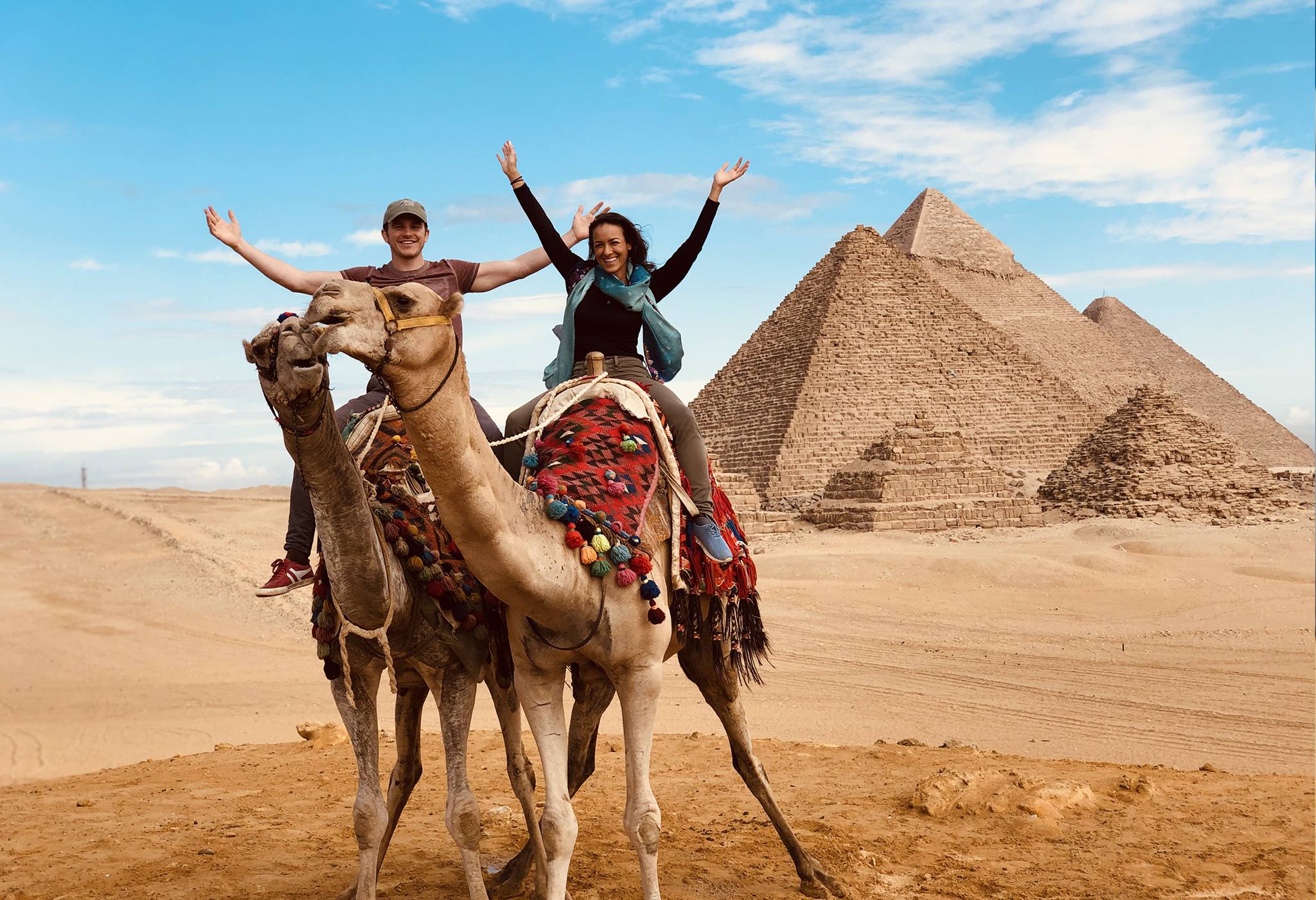
In the highly competitive Middle East and North Africa (MENA) tourism market, Egypt’s strategic positioning is unassailable due to its product density. While competitors may offer luxury resorts or desert safaris, no other nation can bundle those experiences alongside the last surviving Wonder of the Ancient World (the Pyramids of Giza) or the royal tombs of the Valley of the Kings. By marketing a “hybrid itinerary”—allowing a tourist to explore a Pharaonic tomb at dawn and conduct a remote corporate meeting from a Red Sea beach by noon—Egypt effectively outmaneuvers its regional rivals.
7. Predictive Modeling: The Future of Egyptian Tourism (2026–2030)
Looking toward 2030, predictive models indicate a continued surge in “De-urbanized Micro-Tourism.” Travelers will increasingly bypass the congestion of Cairo in favor of direct flights to specialized hubs like Aswan or the Red Sea resorts. Furthermore, we anticipate heavy infrastructural investment into sustainable, eco-friendly desert lodges surrounding the Bahariya Oasis and Siwa. As the global climate shifts, Egypt’s ability to market these remote, tranquil oases as premium winter-escape destinations will be critical to maintaining its projected GDP growth within the hospitality and travel sectors.
Conclusion
The strategic analysis of Egypt’s premier destinations in 2026 reveals a highly sophisticated, multi-tiered tourism infrastructure. The nation has successfully evolved beyond its reliance on ancient monuments to cultivate a diverse portfolio that includes the digital-nomad haven of El Gouna, the pristine diving ecosystems of Marsa Alam, and the culturally rich isolation of the Siwa Oasis. By balancing the preservation of its unparalleled historical assets with the rapid development of modern, ecologically conscious luxury and remote-work environments, Egypt has fortified its position as a dominant, inescapable force in the global travel economy.
Also Read : The 8 Best Places to Visit in Morocco: 2026 Edition