 By
By 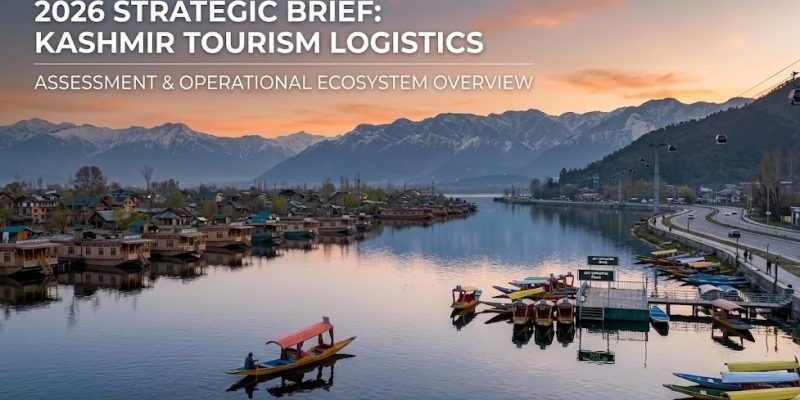
In the travel and hospitality sectors of 2026, the Union Territory of Jammu and Kashmir has solidified its position as a premier global alpine destination. The regional tourism architecture has expanded significantly beyond traditional hubs, opening up previously restricted border valleys and high-altitude passes to domestic and international travelers. This intelligence brief deconstructs the operational logistics, regulatory frameworks, and strategic categorization of Kashmir’s top destinations to optimize itinerary planning and traveler safety.
Historical Context and Foundational Evolution
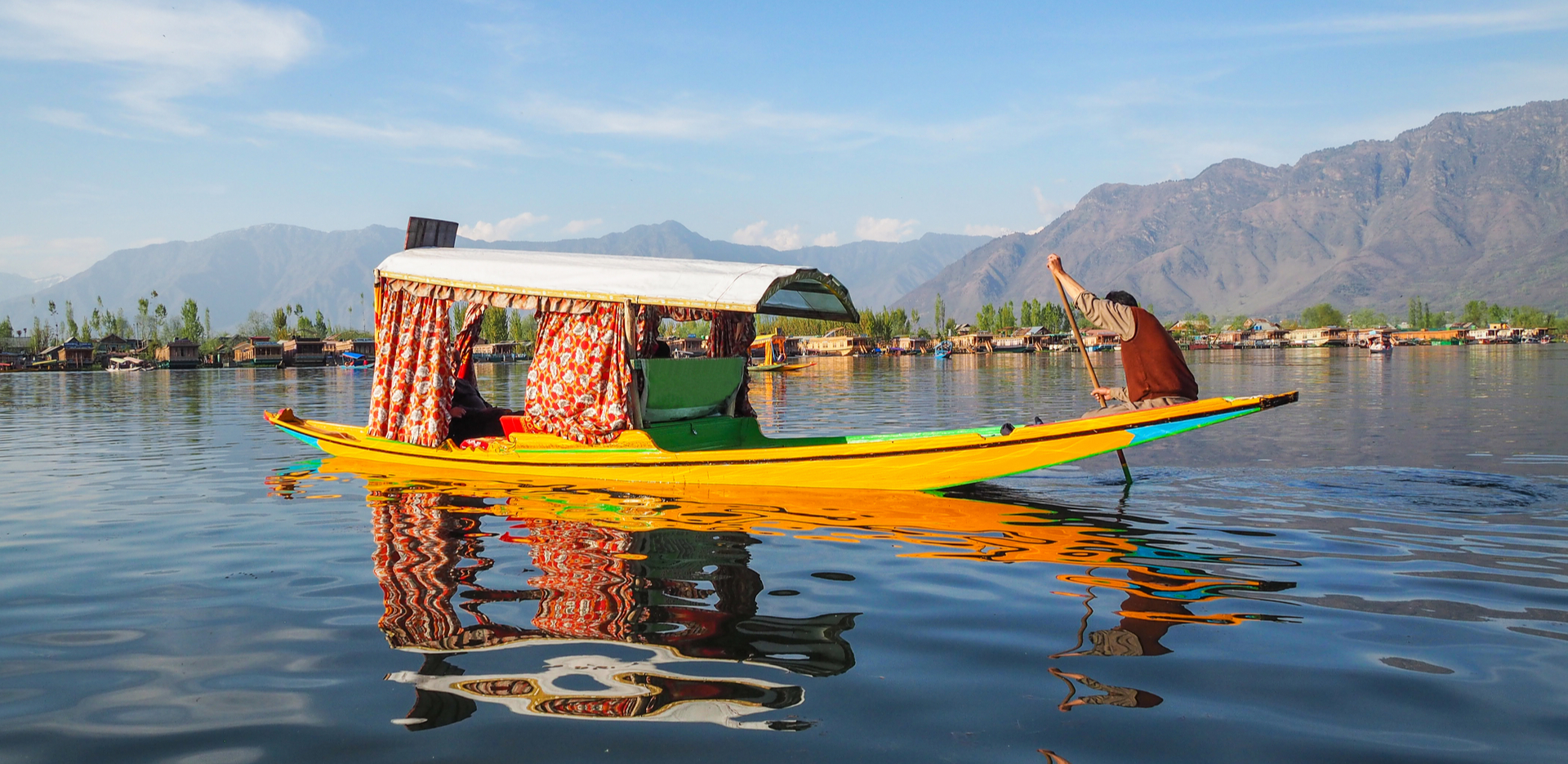
Historically, tourism in Kashmir was heavily concentrated within the immediate radius of the capital city, Srinagar, and its famous Dal Lake. For decades, the broader geopolitical climate restricted access to remote frontier regions. However, infrastructure development and stabilized security paradigms have catalyzed a foundational evolution. By 2026, the local tourism economy has decentralized. While legacy destinations like Gulmarg and Pahalgam remain economic anchors, the deliberate promotion of “off-beat” border tourism has transformed formerly isolated military zones into highly sought-after experiential travel destinations.
Technical Mechanics and Operational Logistics
Navigating the topographical realities of Kashmir requires precise operational planning. Transit times and local transport monopolies dictate itinerary mechanics:
-
The Transit Radius: The majority of primary destinations (Gulmarg, Pahalgam, Sonmarg, Doodhpathri) operate within a 44 to 90-kilometer radius of Srinagar, generally requiring a 1.5 to 2-hour transit time.
-
The Union Cab Mandate: A critical operational constraint in legacy hubs like Pahalgam and Sonmarg is the requirement to utilize highly localized “Union Cabs” for internal sightseeing. External or Srinagar-based taxis are prohibited from servicing specific internal routes, necessitating secondary transport budgets.
-
Pre-Booking Architecture: The Gulmarg Gondola, one of the highest cable cars in the world, suffers from severe capacity bottlenecks. Modern operational protocol dictates that tickets must be secured digitally a minimum of 15 days prior to arrival to guarantee access.
Economic Impact and Tourism Architecture
From a macroeconomic perspective, the region’s tourism economy relies on a diverse portfolio of topographical assets, categorized by seasonal yield:
-
Winter Economic Hubs (Dec-Feb): Gulmarg and Srinagar dominate winter revenues, driven by the lucrative ski industry, snow-mobile operations, and luxury houseboat rentals.
-
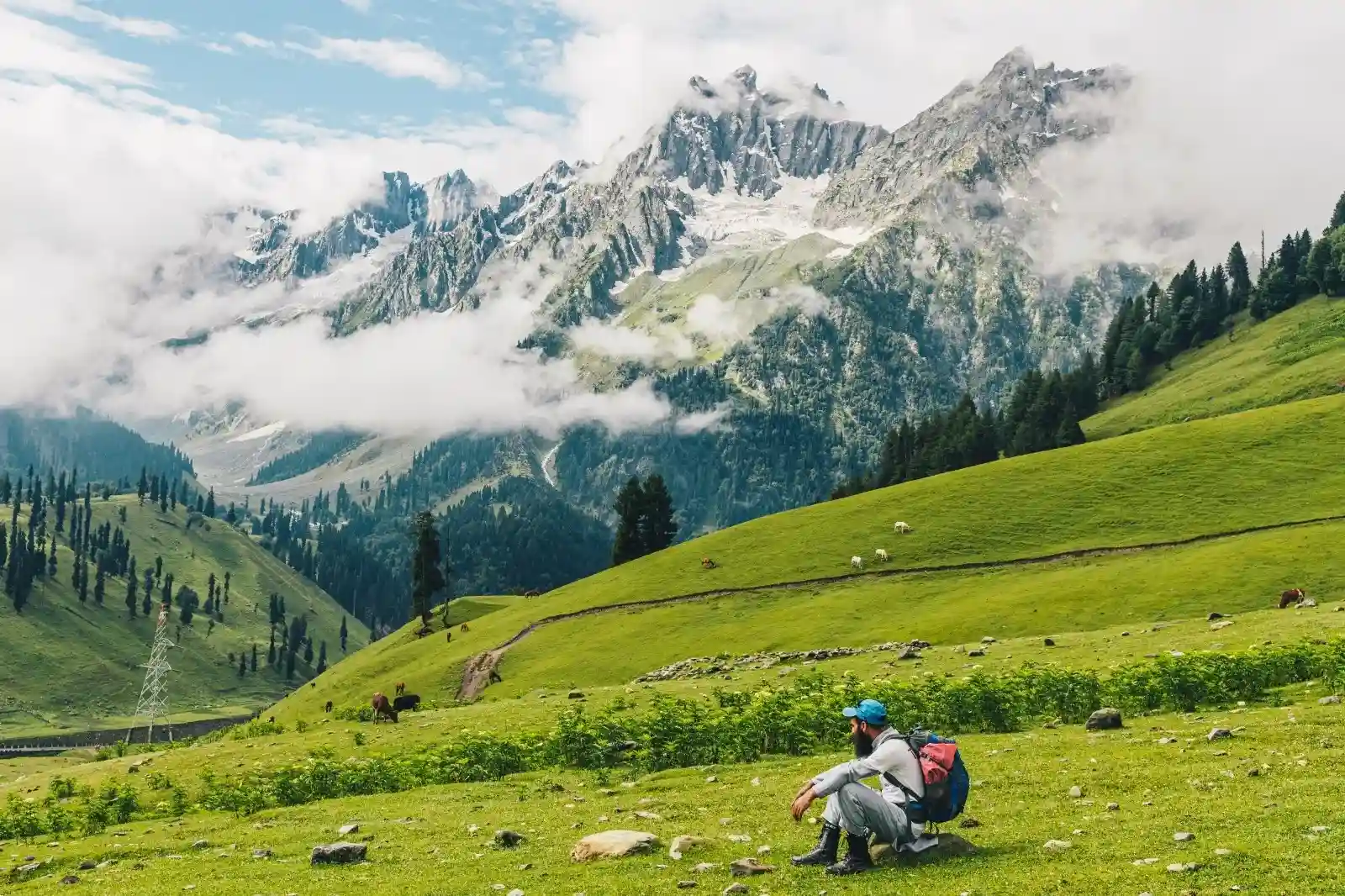
Summer/Spring Yields (April-Aug): Pahalgam, Sonmarg, and Gurez Valley capture the summer demographic through high-margin adventure activities, including whitewater rafting on the Lidder River and high-altitude trekking toward the Thajiwas Glacier.
-
Autumn Micro-Economies (Aug-Oct): Emerging regions like Bungus Valley, situated in the Pir Panjal Range, leverage their unique autumn aesthetics to extend the region’s overall tourism season.
Sociocultural and Behavioral Implications
Behaviorally, the 2026 traveler profile has shifted from passive sightseeing to active, functional engagement. Visitors are increasingly seeking immersive, nature-based isolation over crowded urban centers. This sociological shift drives the popularity of Yousmarg (Doodhganga river walks) and Gurez Valley (camping near the Habba Khatoon Peak). Furthermore, there is a rising demand for “dark tourism” or border tourism. The Keran (Karen) Valley allows tourists to view villages in Pakistan across the river, satisfying a psychological curiosity surrounding geopolitical borders.
Regulatory, Ethical, and Security Frameworks
Traveling to the newly opened frontier regions requires strict adherence to military and governmental regulatory frameworks due to their close proximity to the Line of Control (LoC).
-
Keran Valley Protocols: Located 145 kilometers from Srinagar, access requires navigating 7 military checkpoints and securing mandatory E-permissions prior to travel.
-
Gurez Valley Protocols: Requires a 4-hour transit passing through 3 distinct security checkpoints. Ethically, travelers are advised to practice strict environmental stewardship (such as carrying waterproof gear and leaving no trace during camping) to protect these pristine, highly fragile alpine ecosystems from the rapid influx of commercial foot traffic.
Competitive Analysis: Primary Hubs vs. Emerging Frontiers
Strategic itinerary planning requires balancing the saturated primary hubs against the emerging frontiers:
-
The Heavyweights (Gulmarg, Pahalgam, Sonmarg): These offer highly developed infrastructure, luxury accommodations, and guaranteed activities (Gondolas, rafting), but suffer from crowd saturation and rigid local transport monopolies.
-
The Frontiers (Keran, Gurez, Bungus): These regions offer unparalleled natural isolation, stargazing, and authentic local interactions. However, they lack advanced medical infrastructure, require arduous transit times (up to 4 hours), and demand bureaucratic clearance.
-
The Climate Anomaly (Sinthan Top): Positioned at 12,440 feet, Sinthan Top has strategically bypassed other locations for spring tourism. Due to receding snowfall in lower regions caused by climate shifts, Sinthan Top guarantees late-season snow activities (skiing, sledging), making it a highly competitive outlier.
Predictive Modeling: The Future of Kashmiri Tourism (2026–2030)
Looking toward 2030, predictive models indicate a necessary pivot toward heavily regulated eco-tourism to prevent the ecological collapse of popular meadows like Doodhpathri and Yousmarg. We anticipate the introduction of strict daily visitor caps and digital tracking permits for all high-altitude treks. Furthermore, as infrastructure improves, regions like Bungus Valley and Gurez will transition from “off-beat” to mainstream, forcing the local government to constantly open new, deeper frontier zones to satisfy the global demand for untouched Himalayan landscapes.
Conclusion
The strategic verdict for 2026 is that Kashmir offers a highly bifurcated tourism ecosystem. To optimize a deployment to the region, travelers must define their operational parameters. Those seeking accessible luxury and established adventure sports must navigate the crowds and pre-booking constraints of Gulmarg and Pahalgam. Conversely, those seeking profound isolation and geopolitical curiosity must accept the logistical friction, bureaucratic checkpoints, and longer transit times required to access Keran and Gurez. Ultimately, a successful Kashmiri expedition requires balancing the romance of the Himalayas with strict adherence to regional logistics and military protocols.
Also Read : The 8 Best Places to Visit in Morocco: 2026 Edition