 By
By 
Bora Bora, a volcanic masterpiece born 13 million years ago, is a premier destination for those seeking pristine lagoons and lush tropical landscapes. Choosing the “best” time to visit depends entirely on whether you prioritize perfect weather, budget, or tranquility.
In 2026, the island continues to follow its distinct tropical cycle, largely defined by two seasons rather than four.
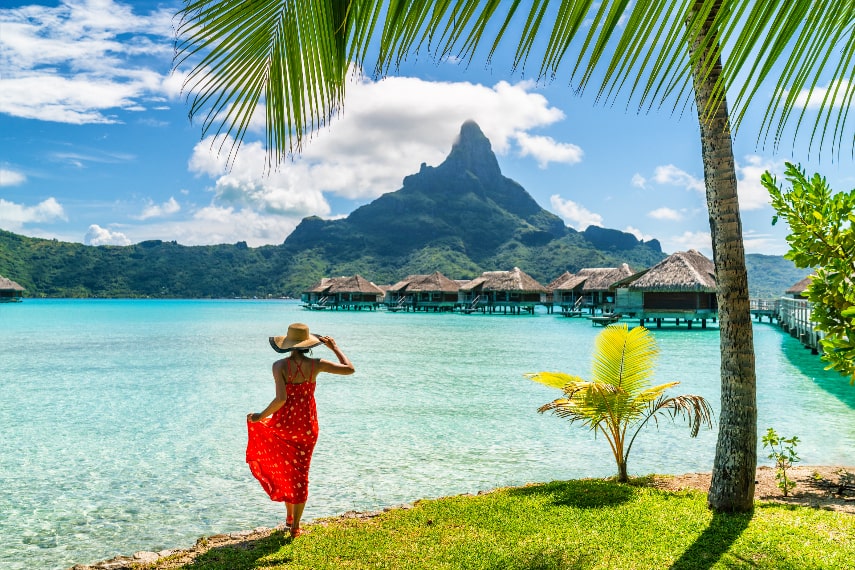
Climate and Seasons at a Glance
| Season | Months | Weather Characteristics | Experience |
| Dry Season (High) | May – October | $24^\circ\text{C}$ – $29^\circ\text{C}$ ($75^\circ\text{F}$ – $84^\circ\text{F}$); low humidity; sunny skies. | Ideal for snorkeling/diving; peak crowds and prices. |
| Wet Season (Low) | Nov – April | $27^\circ\text{C}$ – $31^\circ\text{C}$ ($81^\circ\text{F}$ – $88^\circ\text{F}$); higher humidity; short, intense rains. | Lush, green landscapes; authentic culture; budget-friendly. |
| Shoulder Months | April, May, Nov | Transitional weather; manageable humidity. | “The Sweet Spot”: Balance of good weather and lower prices. |
Why the Seasons Matter:
-
The Dry Season (May to October): Offers the most stable conditions with constant sunshine and calm seas. It is perfect for overwater bungalow stays and outdoor adventures like hiking or scuba diving (best visibility).
-
The Rainy Season (November to April): Characterized by short but regular tropical showers. While humid, this “Season of Abundance” makes the island more photogenic and greener, with fewer tourists cluttering the landscape.
Exploring Bora Bora with Aranui Cruises in 2026
Aranui Cruises offers a unique way to see Bora Bora throughout the year. Their custom-built passenger-freighter, Aranui 5, acts as a lifeline to remote islands while providing a boutique cruise experience for up to 230 passengers.
2026 Sailing Schedule
Aranui has planned regular departures from January through December 2026, alternating between the Marquesas and the Austral Islands:
-
Austral Islands Expeditions: Specifically scheduled for February 14, March 28, September 12, and October 24, 2026. These 13-day voyages call at Bora Bora on the return leg to Papeete.
-
Marquesas Islands Cruises: Approximately 20 traditional 12-day round trips are planned throughout the year.
-
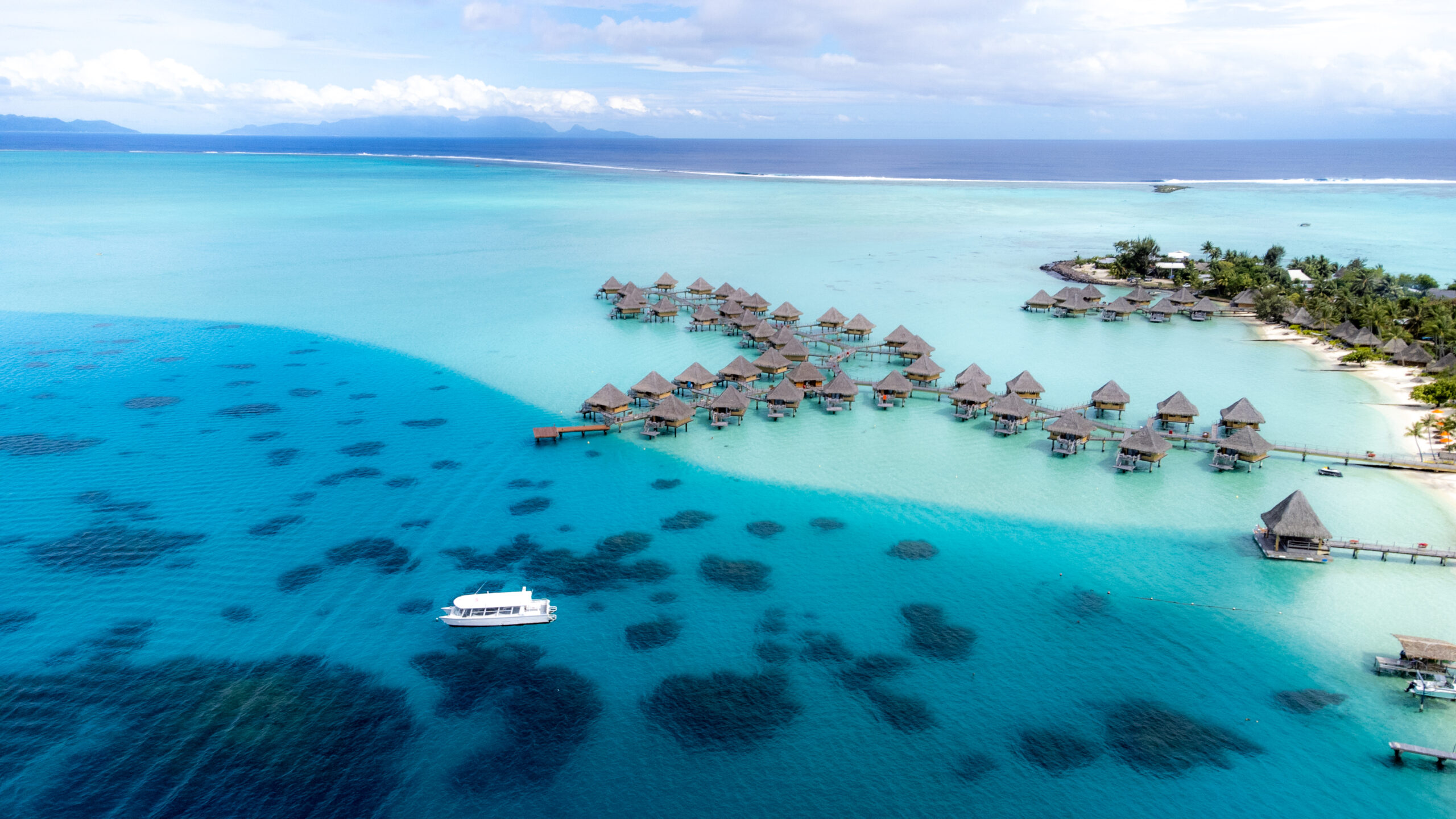
Exclusive Stopover: Aranui passengers enjoy an exclusive day on Motu Tapu, a private islet in the Bora Bora lagoon reserved only for the ship’s guests, allowing you to avoid the main island’s tourist crowds.
-
Health & Travel Safety Tips
When visiting French Polynesia in 2026, keep these expert tips in mind:
-
UV Protection: The tropical sun near the equator is intense. The FDA recommends broad-spectrum sunscreen with an SPF of at least 30, reapplied every two hours, especially after swimming in the lagoon.
-
Hydration: High humidity in the wet season can lead to rapid fluid loss. The Mayo Clinic suggests drinking more water than usual to prevent heat exhaustion.
-
Marine Safety: When snorkeling, avoid touching coral or marine life. Not only does this protect the ecosystem, but it prevents stings or scrapes that can easily become infected in humid climates.
Conclusion
The best time for you to visit Bora Bora depends on your goals: Choose June to August for guaranteed sunshine, or April and November for the best value. If you want a deeply authentic experience, a cruise with Aranui during the shoulder seasons offers the perfect mix of local culture and comfortable navigation. Regardless of when you go, Bora Bora’s turquoise waters and iconic peaks like Mount Otemanu remain world-class wonders.
Also Read : Best Time to Visit Dubai: A Complete Weather & Season Guide for 2026