 By
By 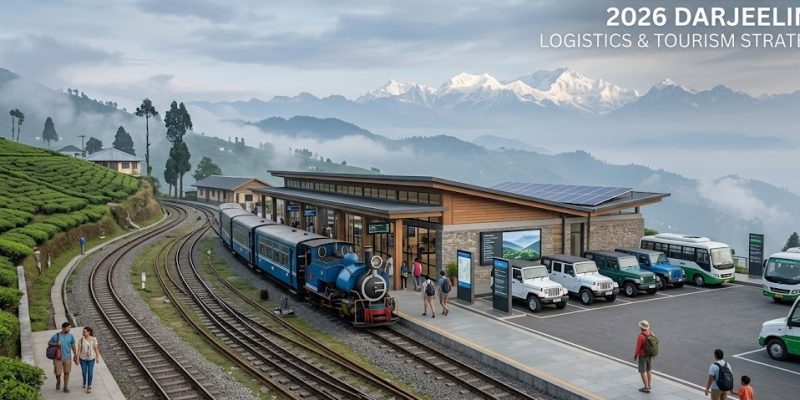
Darjeeling, universally recognized as the “Queen of Hills” in West Bengal, serves as a premier Himalayan travel hub. Detailed extensively by the Official West Bengal Tourism Portal, the region’s tourism performance is entirely dictated by its shifting alpine climate. Driven by its UNESCO World Heritage railway, expansive tea estates, and panoramic views of Mount Kanchenjunga, navigating this destination demands precise seasonal planning to optimize transit viability and minimize crowds.
Technical Mechanics: Climate Segmentation & Travel Logistics
-
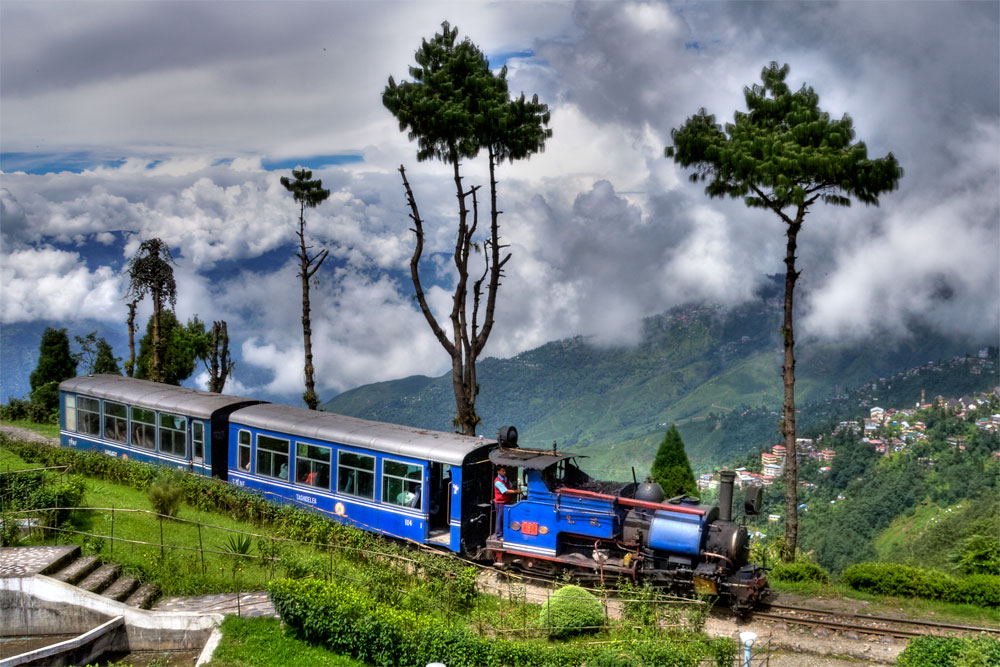
The High-Season Saturation (March to May): Spring and early summer offer optimal temperatures (18°C to 25°C) and maximum visibility. According to the Incredible India Darjeeling Guide, this period experiences extreme tourist footfall. Securing heritage assets like the Darjeeling Himalayan Railway steam engine or accommodations requires advanced reservation architecture.
-
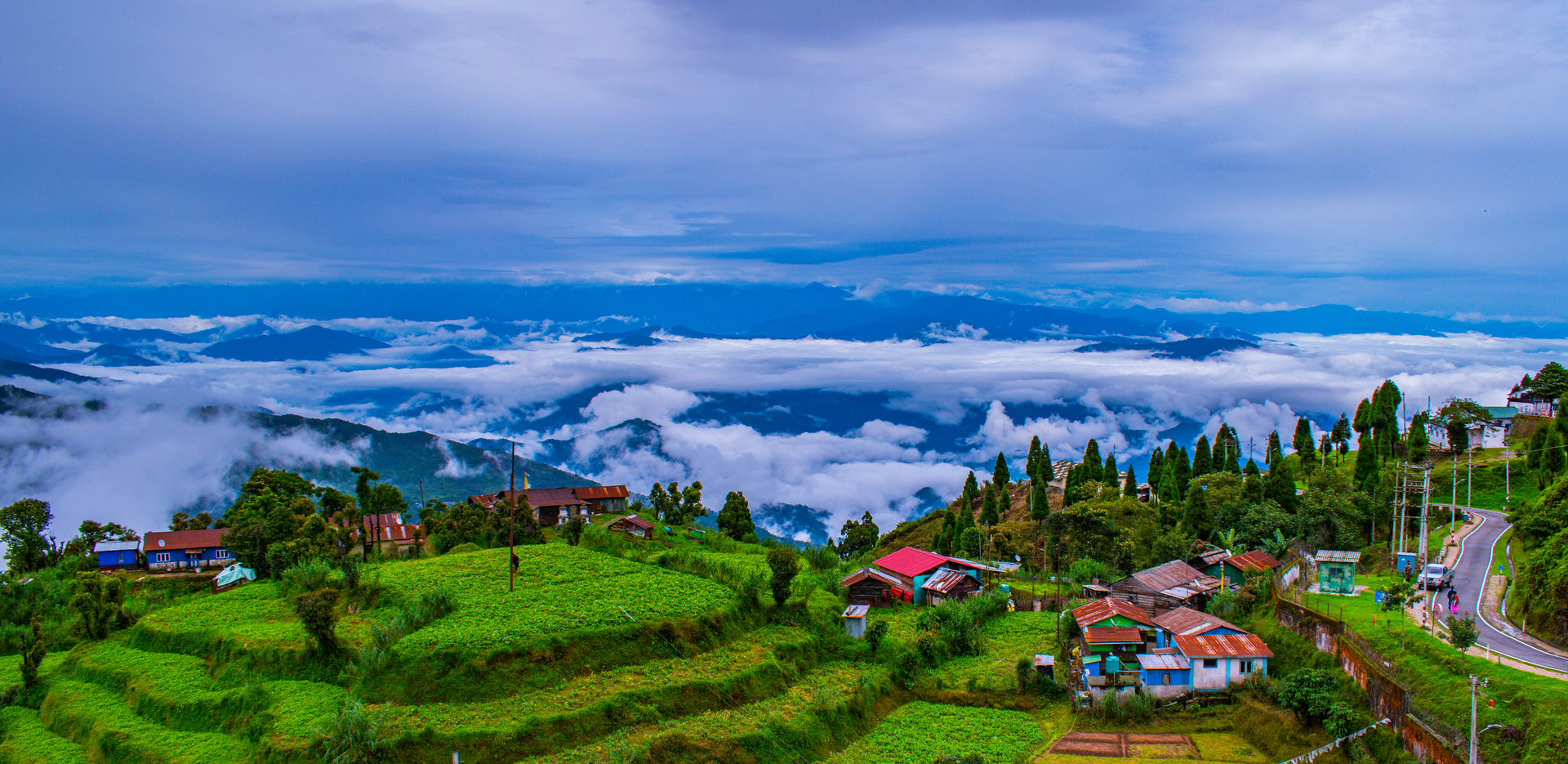
The Monsoonal Atmospheric Shift (June to September): While heavy, constant rains limit kinetic outdoor activities, the pervasive mist and fog transform the landscape into a highly photogenic, romantic environment. This period is ideal for inward-focused tourism, such as visiting the Peace Pagoda or booking a quiet homestay in Tinchuley Village.
-
The Winter Attrition & Visibility Window (October to February): Post-monsoon autumn clears the skies, offering unparalleled river rafting on the Teesta. As winter hardens (temperatures dropping to 0°C), the region pivots to high-endurance adventure, balanced by the cultural warmth of Chowrasta’s festive winter markets.
Strategic Deployment: Seasonal Activity Matrices
Categorizing the region’s attractions by season allows travel curators and digital publishers to target specific traveler demographics based on intent and endurance.
| Season | Core Atmospheric Condition | Target Activities | Tourism Strategy Focus |
| Summer (Mar–May) | Cool, high-visibility, peak influx. | Tiger Hill Sunrise, Toy Train, Tea Picking. | Optimize for “Kanchenjunga Views,” “Heritage Rail Travel.” |
| Monsoon (Jun–Sep) | Heavy rains, pervasive mist. | Peace Pagoda, Ghoom Monastery, Passenger Ropeway. | Target “Romantic Hill Station,” “Mist and Fog Retreat.” |
| Autumn (Oct–Nov) | Crisp air, post-monsoon clarity. | Teesta River Rafting, Chatakpur Mountain Biking. | High-value keywords: “Himalayan Adventure,” “Teesta Rafting.” |
| Winter (Dec–Feb) | Extreme cold (0°C – 2°C), festive. | Sandakphu Trek, Mahakal Temple, Bhutia Market. | Niche targeting: “Snow Trekking West Bengal,” “Winter Festivities.” |
Structural Vulnerabilities and Strategic Limitations
-
Transit Bottlenecks: Darjeeling is primarily accessed via Bagdogra Airport or New Jalpaiguri Railway Station. During the monsoon season, the road routes are highly susceptible to landslides, causing severe logistical friction and unpredictable travel delays.
-
Heritage Hardware Constraints: The Darjeeling Himalayan Railway operates on limited vintage steam locomotive hardware. Demand vastly outstrips supply during the summer peak. Travelers planning an excursion to watch the iconic dawn colors at the Tiger Hill Lookout Node must secure transport assets months in advance. To preview the scale of this viewpoint, check out this Tiger Hill Sunrise Panoramic Overview.
-
Estate Lodging Limitations: Premium eco-tourism experiences, such as crop curation at the historical Happy Valley Tea Estate, feature strict room capacity limits. Failing to anchor these bookings early forces travelers to rely on standard mid-tier city homestays, compromising the localized nature of the itinerary.
Conclusion
The strategic verdict for navigating Darjeeling in 2026 is that there is no “off-season”—only shifting environmental parameters that demand adaptive itineraries. By structuring travel plans around specific seasonal strengths—leveraging clear summer mornings for mountain lookouts and misty monsoons for monastery retreats—visitors can bypass logistical friction and unlock the full cultural and geographical depth of this Himalayan sanctuary.
Also Read : Vienna Travel Logistics and Cultural Tourism