 By
By 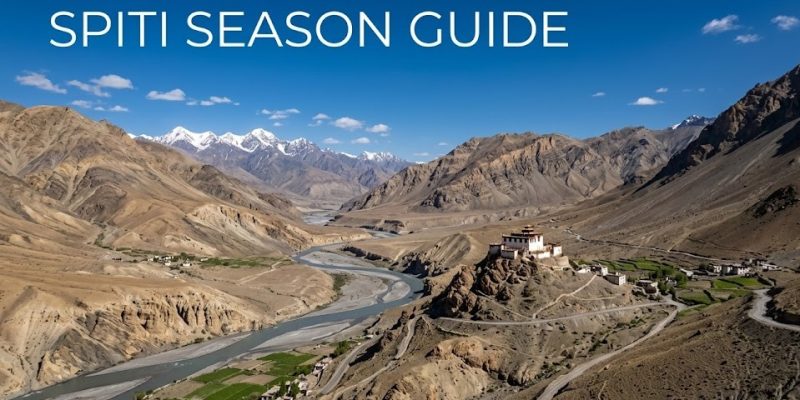
The rugged, remote beauty of in makes it a one-of-a-kind destination for travellers. Situated high in the Trans-Himalayas, Spiti Valley—often called “The Middle Land” between India and Tibet—feels like a world untouched by time.
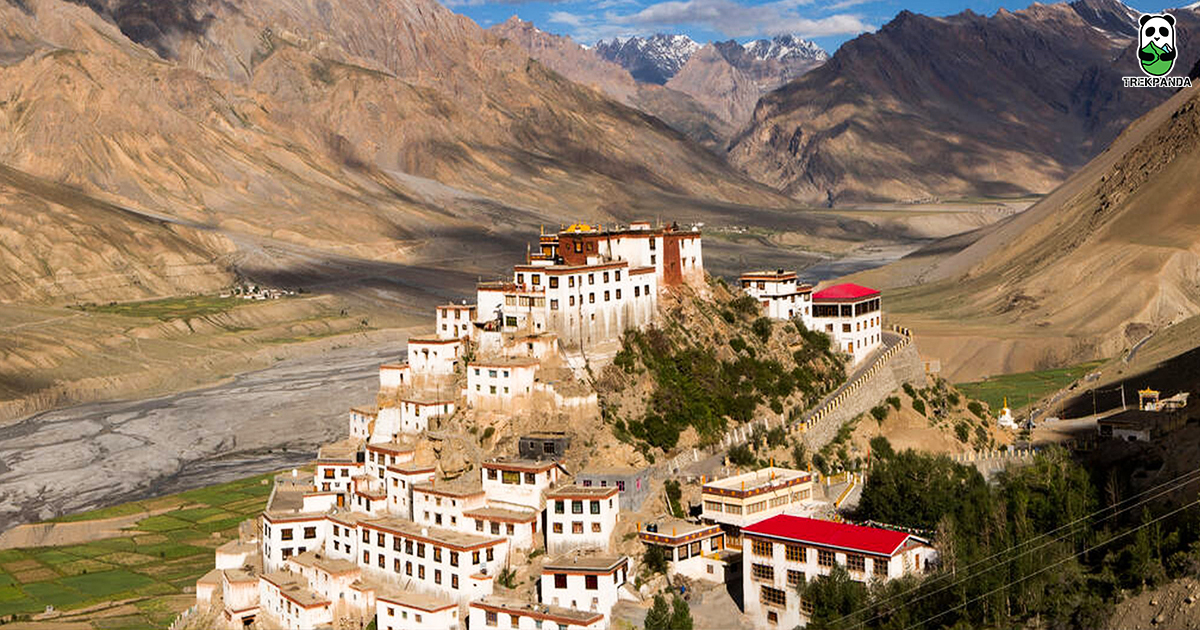
At an average height of nearly 13,000 feet, this cold desert valley is all about endless skies, brown mountains, and ancient monasteries steeped in . Spiti isn’t just a place you visit; it is a place that changes the pace of your heart.
But before you pack your bags, let us tell you: timing is everything here. Whether you are looking for sunny drives, snow adventures, or local festivals, here is our season-by-season breakdown.
Why Timing Matters for Spiti Valley
Because Spiti is located so high up, weather changes are dramatic and road links open and close entirely based on snow, pass conditions, and landslides. Timing affects not just the weather, but also travel costs, road safety, cultural festivals, and the opportunity to explore remote villages.
-
Some routes into Spiti (via the ) only open in early summer.
-
Winter months bring heavy snow, making many villages, roads, and guest houses completely inaccessible.
-
Monsoon and shoulder months bring unpredictable landslides and hazardous water crossings.
Season-by-Season Breakdown
This is often considered the absolute best time to visit Spiti Valley for most travellers. The roads from Shimla/Kinnaur and often from Manali to Kaza are accessible. Landscapes shift from stark desert to green-tinged valleys with snow-melt streams. Daytime temperatures are comfortable for sightseeing, trekking, and camping, and all local homestays and tour operators are fully running.
-
Tip: Pack layers. Even though the days are warm, the high altitude means nights will still be quite chilly.
2. Monsoon Season (August to September)
This is considered a “shoulder season” for Spiti. Because the valley lies in a rain shadow, there is minimal direct monsoon rain. However, the nearby access routes (like the Shimla side) may experience heavy rain and landslides.
-
Tip: If you pick this season, the route via Shimla-Kinnaur is considered much safer than Manali-Kaza.
3. Autumn (October)
October is a magical month featuring crisp, clear skies, bright sunlight, and cold nights. It works exceptionally well if you want a quiet experience, as the colours of the terrain are sharper and there are far fewer tourists.
-
Tip: Book your accommodation earlier in the month; by late October, the window for tourists begins to rapidly shrink as services wind down.
4. Winter (November to April)
If you’re seeking an extreme, remote, off-beat adventure, winter is for you—but it is not recommended for conventional travel. Temperatures drop extremely low (often -20 °C at night). Many passes will be closed for months, and very few homestays remain open. Avoid this period unless you are highly experienced in cold/high-altitude survival.
Additional Travel Considerations
-
Budget: During the high season (June-July), accommodation and transport prices peak. The shoulder season (September to November) offers fewer tourists and much better deals.
-
Road Conditions: Access depends heavily on seasonal closures. High passes like Kunzum (4,551 m) typically open from June to October, making this the safest time for road trips.
-
Festivals: The Ladarcha Fair (usually July) brings local traders, handicrafts, and music. Losar (Tibetan New Year) around February offers a glimpse into winter celebrations.
Final Conclusion
If we had to pick one sweet spot, choose late May to July. You’ll get open roads, comfortable weather, full services, and the best balance of experience. Pack smart, respect the high altitude, and you’ll find visiting Spiti Valley to be nothing short of transformative.
Also Read : The Best Time to Visit Himachal Pradesh