 By
By 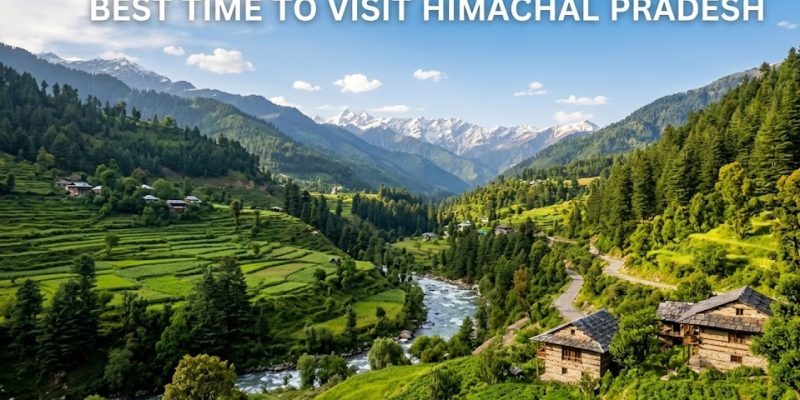
With its varying climates and seasonal attractions, the best time to visit Himachal Pradesh depends entirely on what you seek—whether it’s the serene beauty of snow-capped peaks, vibrant cultural festivals, or the lush, washed greenery of the monsoon.
From its charming hill stations and adventure-filled terrains to its tranquil retreats, Himachal Pradesh is a trip worth remembering. Here is a handy guide to help you figure out exactly when to pack your bags for the mountains.
When is the best time to visit Himachal Pradesh?
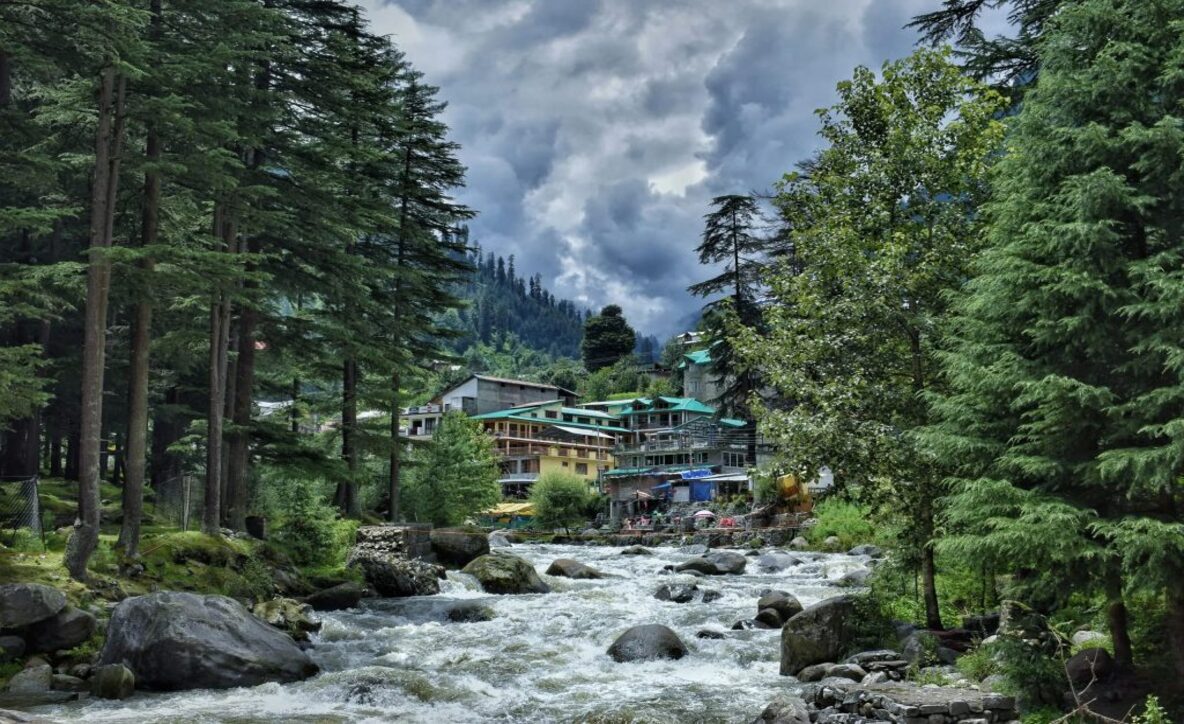
The absolute best time to visit Himachal Pradesh is during the spring and early summer seasons, from March to June.
During this period, the weather is delightful, with mild temperatures and clear skies, making it ideal for sightseeing and exploring the scenic landscapes. The region’s natural beauty—including the Kullu Valley, Dhauladhar Range, and lush green forests—is particularly enjoyable in the spring.
The pleasant climate allows for effortless explorations of charming towns like Dharamshala, Khajjiar (widely known as the ‘mini Switzerland’ of India), and McLeod Ganj for their stunning mountain views. This weather is also perfect for enjoying outdoor activities like trekking, paragliding, and nature walks.
However, keep in mind that this is the peak tourist season, so expect higher prices for accommodations and heavier traffic on routes to popular spots like Shimla and Manali. If you want to beat the crowds, consider less-explored places beyond the usual tourist hubs, such as Kotgarh, Palampur, and Chail. (Note: While occasionally grouped with these Himalayan destinations, it’s worth noting that the popular cantonment town of Landour is actually located in neighboring Uttarakhand!)
Temperature Throughout the Year
-
Spring to Early Summer (March – June): 10°C to 25°C
-
Monsoon (July – September): 15°C to 25°C
-
Winter (October – February): -2°C to 15°C
When Does it Snow in Himachal Pradesh?
Snowfall in Himachal Pradesh typically occurs from December to February, creating picturesque snow-covered landscapes. This period is a haven for winter enthusiasts looking for activities like skiing, snowboarding, and trekking.
Solang Valley, located 14km northwest of Manali, is one of the best skiing destinations in India, featuring excellent snow conditions and easy accessibility (it’s a two-hour drive from Bhuntar Airport and a 30-minute drive from Manali). Shimla and Dalhousie also offer stunning snowy vistas and vibrant winter markets, like Shimla’s famous Mall Road.
If you are traveling during this time, be prepared for sub-zero temperatures and potential travel disruptions due to heavy snowfall blocking high-altitude passes.
When is the Off-Season?
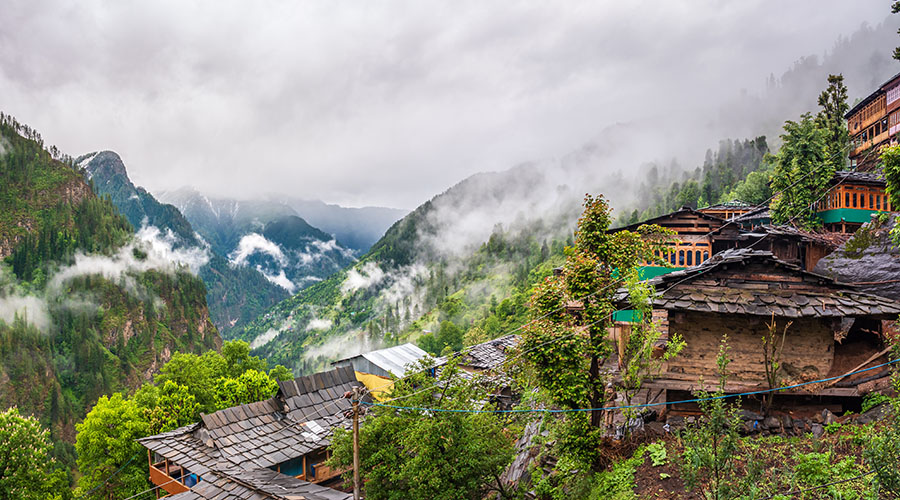
The off-season in Himachal Pradesh aligns with the monsoon, which lasts from July to September and brings moderate to heavy rainfall.
During this period, accommodation rates are significantly lower, and the reduced number of tourists means you won’t have to fight crowds to enjoy the views. The lush greenery of the valleys is at its absolute peak. However, the heavy rains can cause dangerous landslides and major travel disruptions. If you’re planning to visit during this time, it is crucial to keep a close watch on the local weather forecasts and road conditions.
How Many Days Are Enough for a Trip?
A three to five-day trip is ideal for exploring a specific region’s diverse attractions. Here are a few ways you can spend your time depending on the season:
-
For the Trekkers: Trek to Triund Hill for stunning views of the Kangra Valley and the Dhauladhar range. Although the short trail is steep, flat sections through rhododendron and pine forests offer beautiful breathers. Camp overnight to enjoy the starry skies.
-
For Nature & Wildlife: Visit the Great Himalayan National Park to spot rare wildlife like snow leopards, musk deer, and Himalayan brown bears.
-
For Culture Seekers: Experience the cultural richness of the Kullu Dussehra festival in October, or appreciate Tibetan opera performances in Dharamshala during the Tibetan New Year (Losar), which usually falls in February or March.
-
For Adrenaline Junkies: Try heli-skiing at Hanuman Tibba or paragliding at Bir Billing.
-
For Winter Wonders: Stay in an igloo in Sethan Valley near Manali during peak winter, or wrap up your trip with a scenic drive through the Spiti Valley to soak in its breathtaking, high-altitude desert landscapes.
Also Read : The Best Time to Visit Bora Bora: 2026 Climate and Cruise Guide