 By
By 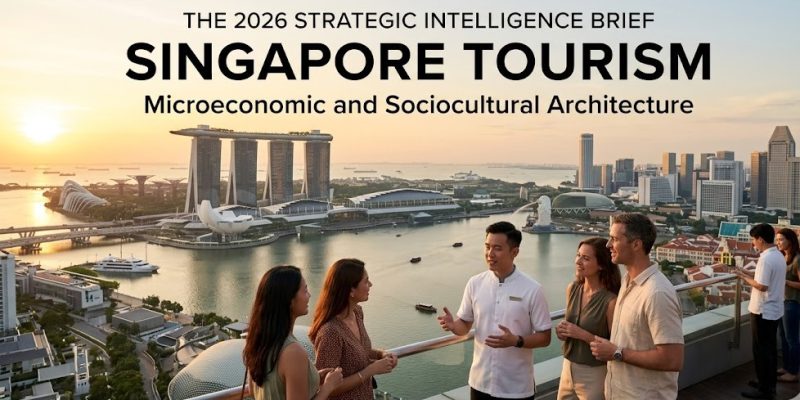
In the global travel and hospitality matrix of 2026, Singapore operates as a premier, highly engineered tourism ecosystem. It successfully bridges the gap between hyper-modern, synthetic entertainment and meticulously preserved multicultural heritage. Unlike sprawling tourist destinations, this island nation utilizes its limited geographic footprint to create a dense, high-yield network of attractions, festivals, and culinary hubs. This intelligence brief deconstructs the structural logistics, economic drivers, and sociocultural mechanics of Singapore’s tourism industry.
Historical Context and Foundational Evolution
Historically, Singapore’s evolution from a British colonial trading post into a first-world economic powerhouse necessitated the aggressive modernization of its landscape. In the late 20th and early 21st centuries, the state recognized the need to diversify its economy beyond finance and shipping by engineering a world-class tourism sector. By reclaiming land and investing heavily in architectural marvels, the nation transitioned from a brief “stopover” city into a primary destination. Today, it balances its historical districts (Chinatown, Little India, Tiong Bahru) with futuristic mega-projects, creating a dual-layered cultural and synthetic tourism experience.
Infrastructure and Entertainment Architecture
The mechanical draw of Singapore relies on its heavily integrated and themed infrastructure zones:
-
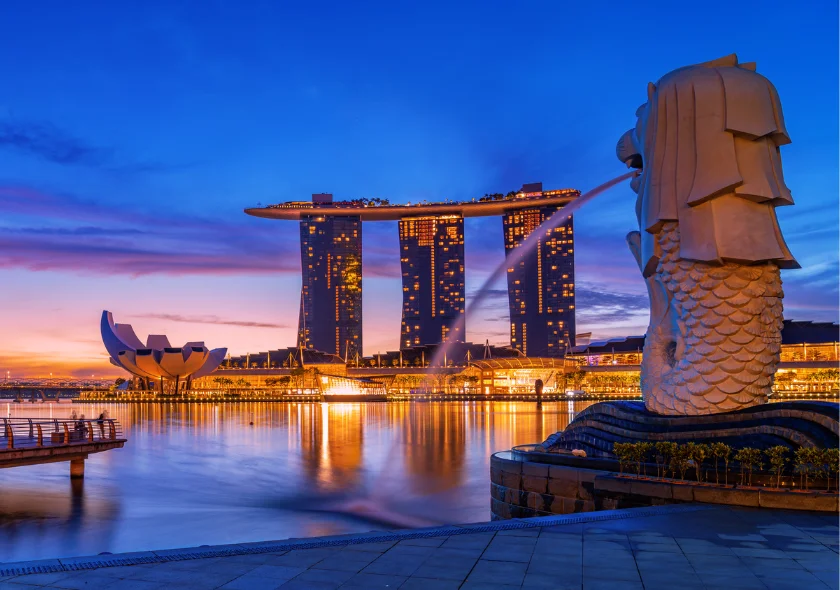
The Synthetic Marvels: Projects like Gardens by the Bay (a 101-hectare mechanical nature park) and the Marina Bay Sands SkyPark showcase extreme urban engineering. These spaces function not just as parks, but as high-revenue atmospheric attractions.
-
The Sentosa Hub: Sentosa Island serves as a dedicated, manufactured recreational zone. It centralizes high-volume attractions like Universal Studios Singapore, Madame Tussauds, and S.E.A. Aquarium, streamlining tourist traffic and maximizing localized capital expenditure.
-
Aviation as an Attraction: Changi Airport has been structurally engineered to serve as a tourist destination in its own right, featuring the Jewel complex, indoor forests, and the world’s tallest indoor waterfall, ensuring revenue capture begins the moment a traveler lands.
Economic Impact of the Culinary Sector
From a macroeconomic perspective, Singapore’s food and beverage sector is a primary driver of its tourism economy. It operates on a highly lucrative, bifurcated model:
-
The Hawker Economy: Traditional Hawker centre locations (like Maxwell Road and Old Airport Road) offer authentic, low-cost culinary experiences (e.g., Hainanese Chicken Rice, Laksa, Chilli Crab). This democratizes food tourism, encouraging high-frequency spending across diverse socio-economic tourist brackets.
-
The Premium Gastronomy: Conversely, events like the World Gourmet Summit and the Michelin Chef Series drive high-end, luxury capital expenditure, attracting global gourmands willing to pay premium rates for exclusive dining experiences.
Sociocultural and Behavioral Implications
Behaviorally, Singapore appeals to the modern traveler’s desire for safety, cleanliness, and hyper-efficiency. The sociocultural environment is actively curated to display harmonious multiculturalism. Tourists can transition seamlessly from the Islamic heritage of Kampong Glam to the Peranakan culture of the Intan Museum, and then to the Hindu traditions of Little India within a single afternoon. This accessibility allows visitors to consume a dense, pan-Asian cultural experience without the logistical friction or security risks often associated with traversing larger, less developed nations.
Regulatory, Ethical, and Ecological Frameworks
Operating a massive tourism industry on a small island requires strict ecological and regulatory oversight. The government heavily regulates wildlife attractions like the Night Safari, River Safari, and Jurong Bird Park, ensuring they function simultaneously as entertainment venues and vital conservation/research hubs. Ethically, the state’s aggressive push toward an “ecology-in-a-city” model ensures that massive developments (like the ArtScience Museum’s rainwater harvesting) adhere to strict environmental sustainability metrics, minimizing the carbon footprint of millions of annual visitors.
Competitive Analysis: Synthetic vs. Natural Attractions
In the Southeast Asian tourism market, Singapore competes uniquely. It cannot compete with the sprawling natural beaches of Thailand or the ancient ruins of Cambodia. Instead, it strategically dominates the “Synthetic and Curated” sector. It offers flawless infrastructure, high-end shopping (Orchard Road), mega-events (F1 Night Race, ZoukOut), and highly manicured nature reserves (Sungei Buloh Wetlands). It wins by offering an unparalleled, friction-free luxury and entertainment experience.

Conclusion
The strategic verdict for 2026 confirms that Singapore’s tourism sector is a masterclass in spatial efficiency and engineered experience. By seamlessly blending high-tech entertainment zones, aggressive ecological integration, and meticulously preserved multicultural culinary traditions, it maximizes the economic yield of every square kilometer. For global travelers, Singapore remains the ultimate “curated” destination—a place where the chaotic charm of Southeast Asia is refined into a safe, accessible, and highly aestheticized premium product.
Also Read : The 8 Best Places to Visit in Morocco: 2026 Edition