 By
By 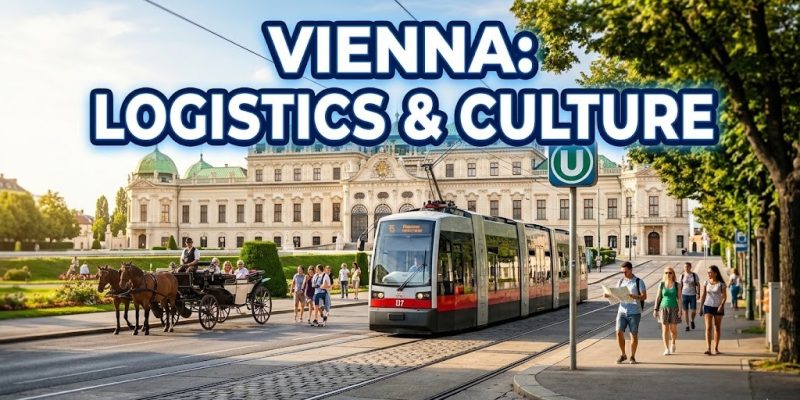
In the European tourism sector, Vienna serves as a primary hub for cultural, architectural, and culinary heritage. As of 2026, the city has successfully integrated its imperial history with a modern, high-efficiency transport infrastructure, making it an ideal destination for short-term European excursions. This intelligence brief deconstructs the logistical frameworks, technical mechanics of the city’s “Coffee House Culture,” and the strategic economic considerations for travelers navigating the Austrian capital.

Historical Context: Imperial Architecture and UNESCO Heritage
Vienna’s urban landscape is dominated by the legacy of the Habsburg Monarchy, manifesting in a high density of Baroque and Neoclassical structures.
-
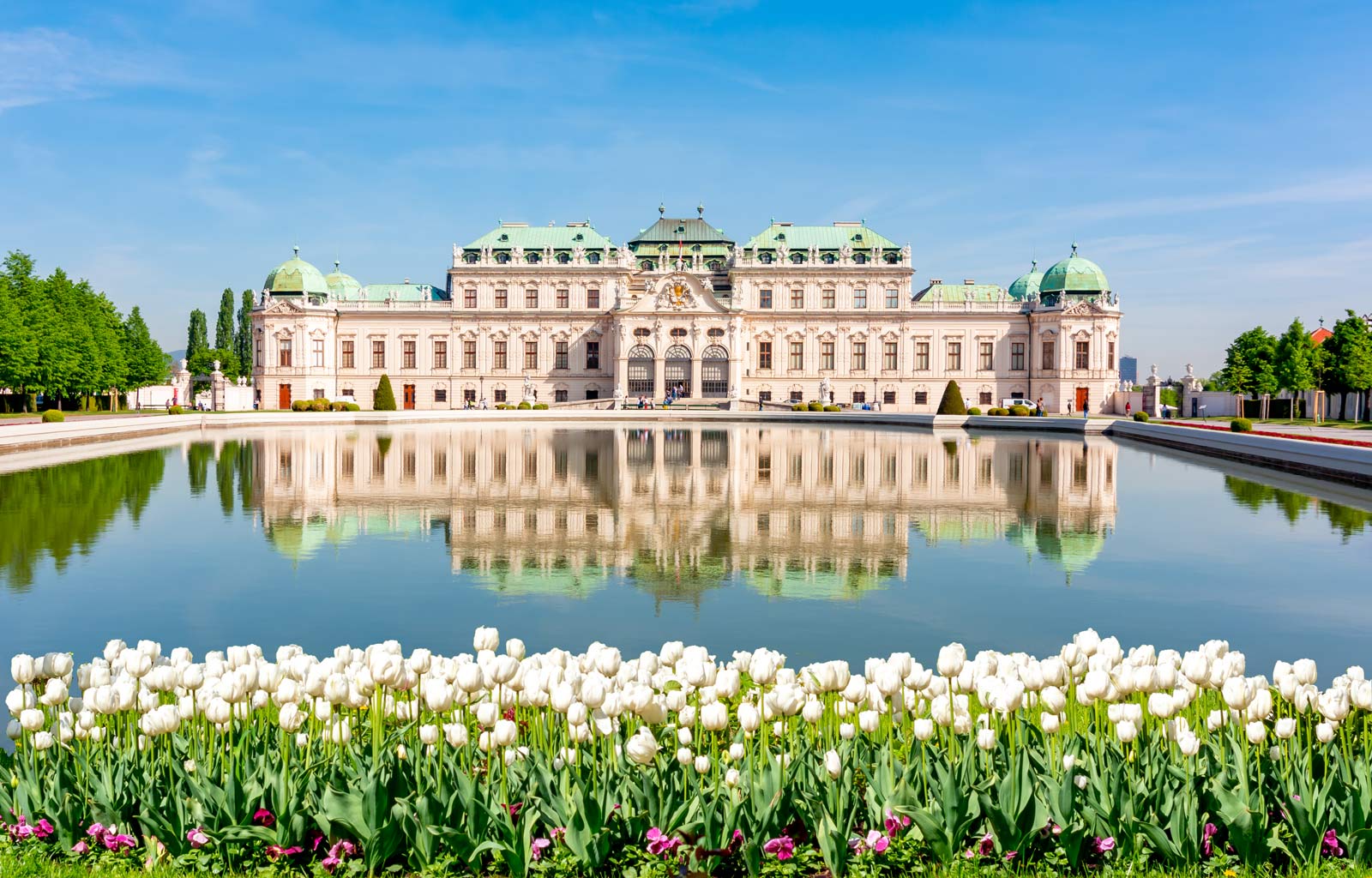
The Palace Infrastructure: The city maintains three primary “anchor” palaces: Schönbrunn Palace (the summer residence), Hofburg (the winter palace), and the Belvedere. These assets are not merely aesthetic; they function as major economic drivers, housing world-renowned art collections like Gustav Klimt’s “The Kiss.”
-
UNESCO Coffee Culture: Since 2011, Viennese coffee house culture has been recognized as a UNESCO Intangible Cultural Heritage. Historically, these establishments served as democratic “living rooms” for intellectuals like Sigmund Freud. Today, they represent a significant portion of the city’s service-based economy.
Technical Mechanics: Transport and Operational Efficiency
Navigating Vienna requires a basic understanding of its highly integrated, public-centric transportation model.
-
Connectivity Nodes: Entry is typically through Vienna International Airport (VIE) or the Hauptbahnhof (Central Station). Transfer from VIE to the city center is optimized via the City Airport Train (CAT), a 16-minute high-speed link, or the more cost-effective S-Bahn (S7).
-
Intra-city Logistics: The U-Bahn (Metro) is the backbone of the city’s mobility. Operational efficiency is maximized through the WienMobil app, allowing for digital procurement of 24, 48, or 72-hour unlimited travel passes that extend to buses and trams.
-
The “Standing Room” Hack: The Vienna State Opera utilizes a unique secondary-market mechanic. While seated tickets can reach high capital costs, the theater releases standing-room tickets (Ground floor, Gallery, Balcony) for as low as €13–€18 on the day of performance, providing a low-cost entry point for high-culture engagement.
Economic Impact: Culinary Tourism and Premium Service
From a retail perspective, Vienna leverages its culinary heritage to maintain a premium price index.
-
The Schnitzel Standard: Establishments like Figlmüller have commoditized the Wiener Schnitzel, creating a “home of the schnitzel” narrative that justifies consistent queues and premium pricing through heritage branding.
-
High-Margin Confections: Traditional desserts like Kaiserschmarrn (shredded pancakes) and Sachertorte are high-margin assets for historic cafes. The phenomenon of the “€12 waffle-cone coffee” at Fenster Cafe demonstrates a shift toward “Instagrammable” tourism, where visual novelty creates a 300–400% markup over standard espresso products.
-
Hospitality Tiers: The hotel sector is divided between high-yield luxury icons, such as the Park Hyatt Vienna (housed in a 100-year-old bank), and “lifestyle” boutiques like The Hoxton, which utilize rooftop bar assets to drive additional revenue from non-guests.
Structural Vulnerabilities: Seasonal Fluctuations
Vienna’s tourism economy is highly susceptible to seasonal volatility.
-
The Christmas Market Peak: From mid-November through December, the city experiences its highest operational density due to global Christmas Market tourism. This results in inflated hospitality costs and over-saturated public spaces.
-
The Winter Bottleneck: Conversely, January and February present a low-utility window with reduced daylight and freezing temperatures, requiring a pivot toward purely indoor museum and cafe-based tourism to sustain local business revenue.
Conclusion
The strategic verdict for 2026 is that Vienna remains a premier high-efficiency destination where historical prestige and modern logistics align. Successful navigation of the city requires a multi-modal approach: utilizing digital transport apps for mobility, leveraging standing-room protocols for culture, and performing a cost-benefit analysis on heritage dining. For first-time operators, a 3-day itinerary focusing on the “Big Five” (Hofburg, Schönbrunn, Belvedere, State Opera, and St. Stephen’s) provides the highest return on cultural investment.
Also Read :The 2026 Strategic Intelligence Brief: Macroeconomic and Logistical Planning – Tourism in Andorra