 By
By 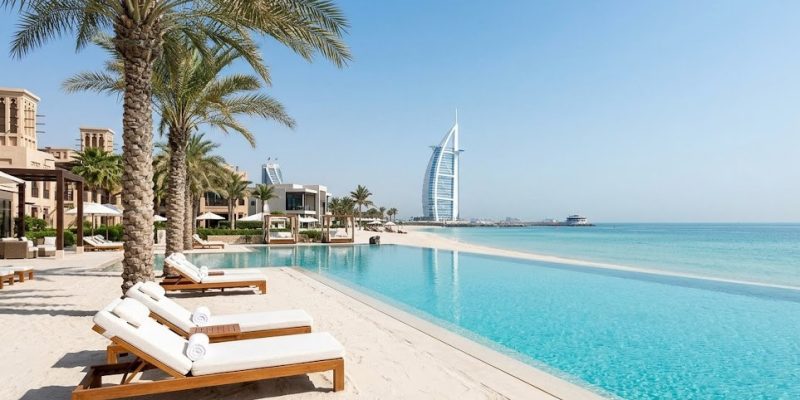
Dubai is rapidly evolving its hospitality matrix beyond a purely corporate and adult-centric destination, deliberately engineering a year-round family tourism infrastructure. A recent industry analysis highlights how the emirate’s premier resorts are successfully balancing ultra-luxury opulence with high-capacity “edutainment” and child-friendly amenities. This intelligence brief deconstructs the strategic deployment of family-focused assets across Dubai’s top-tier hotel properties.

Technical Mechanics: Aquatic Infrastructure & Theme Park Proximity
To capture the lucrative family demographic, leading resorts have deeply integrated massive amusement and aquatic installations directly into their core hospitality offerings.
-
-
The Waterpark Powerhouses: Atlantis Dubai operates two distinct properties (The Palm and The Royal) that anchor themselves around Aquaventure, one of the world’s largest waterparks. Additionally, the iconic wave-shaped Jumeirah Beach Hotel and the seven-star Burj Al Arab offer complimentary access to the adjacent Wild Wadi Waterpark, transforming luxury stays into active aquatic playgrounds.
-
Theme Park Integration: For families prioritizing theme park access over beachside lounging, the Lapita hotel provides seamless, centralized entry to the sprawling Dubai Parks and Resorts complex, which houses Motiongate, Real Madrid World, and Legoland.
-
Strategic Deployment: The Resort Environment Matrix
Structuring a family vacation in Dubai requires matching the resort’s operational environment with the specific needs and ages of the children.
| Operational Zone | Strategic Utility | Optimal Deployment |
| Bvlgari Resort Dubai | Highly refined, secret refuge with specialized yacht club kids’ programming. | Families seeking quiet, ultra-luxury seclusion away from massive tourist crowds. |
| Bab Al Shams Desert Resort | Desert isolation featuring camel rides, falconry, and a dedicated adventure playground. | Active families seeking authentic Arabian cultural immersion outside the urban core. |
| JA The Resort | Massive footprint with an 800-meter private beach, horse riding, and clay shooting. | Multi-generational travel requiring diverse, expansive outdoor activities. |
| Raffles The Palm Dubai | Grandiose, gold-accented decor with child-height buffets and late-night kids’ clubs. | Families requiring spacious suites (700+ sq ft) and accommodating evening child care. |
To help navigate these diverse options, explore the interactive comparison tool below:
Structural Vulnerabilities and Strategic Limitations
-
Scale and Transit Friction: Massive properties like JA The Resort or Atlantis The Royal offer incredible amenities but require significant internal walking or buggy transit, which can be exhausting for toddlers.
-
Environmental Hazards: The analysis specifically notes seasonal jellyfish warnings at the beaches of Atlantis The Royal. Families must remain flexible and pivot to the resort’s extensive pool network during these environmental shifts.
-
Age-Gated Amenities: While properties boast comprehensive kids’ clubs, parents must verify age restrictions. For example, the Atlantis Explorers Club caters primarily to ages 4–12, requiring different logistics (or private nanny services) for infants under 3.
Conclusion
The strategic verdict on Dubai’s hospitality sector is that it has successfully erased the line between ultra-luxury accommodation and high-energy family entertainment. By intelligently categorizing resorts into distinct operational zones—from the high-adrenaline waterparks of Jumeirah’s coastal properties to the tranquil isolation of desert escapes—Dubai provides a highly engineered, customizable vacation architecture capable of servicing every generation simultaneously.
Also Read : Best Time To Visit Kasol in Himachal Pradesh