 By
By 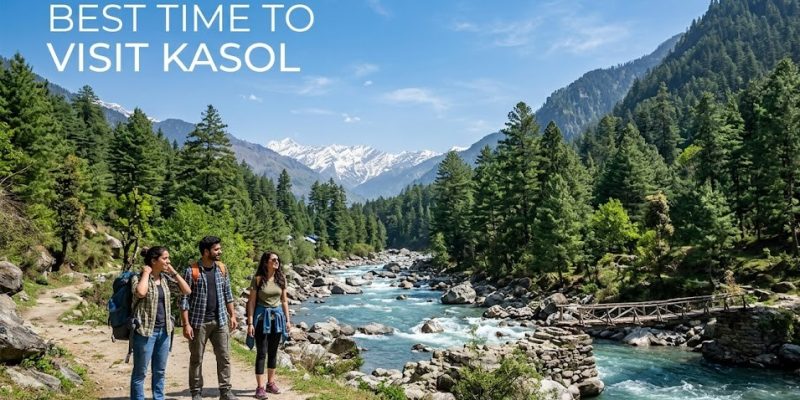
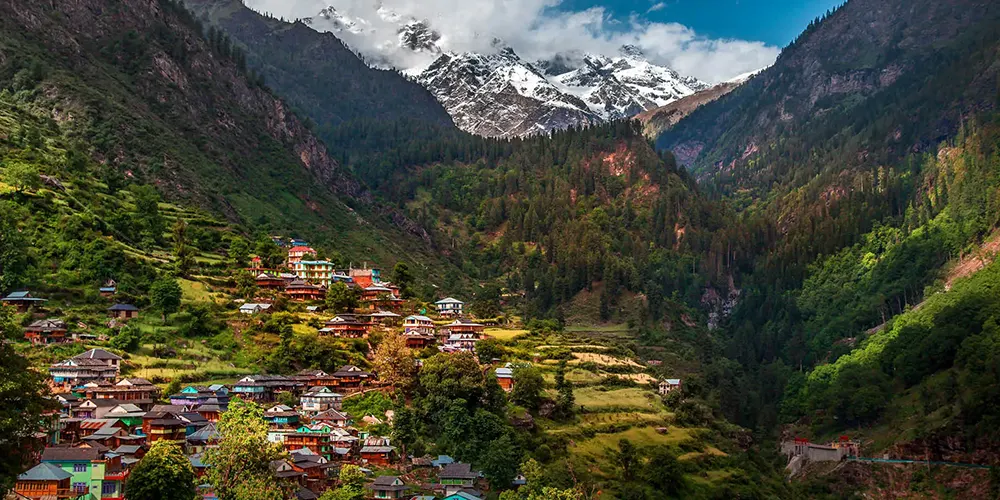
Kasol, situated within the Parvati Valley of Himachal Pradesh, has rapidly scaled to become a primary node for adventure tourism and cultural exploration. Optimizing a deployment to this region requires a strict assessment of seasonal climatology, as shifting weather patterns drastically alter terrain accessibility and the overall travel experience. This intelligence brief deconstructs the meteorological mechanics, the seasonal activity matrix, and the logistical vulnerabilities defining travel planning for Kasol in 2026.

Technical Mechanics: Climatology & Topographical Impact
The physical accessibility and visual aesthetics of the Parvati Valley are entirely dictated by three distinct meteorological cycles.
-
Spring & Summer (March to June): The region experiences optimal thermal stability, with daytime temperatures ranging from a comfortable 15°C to 25°C. The melting of higher-altitude snowpacks clears primary trekking routes across the Parvati Valley, while the localized flora reaches full bloom, creating high-visibility, picturesque terrain.
-
The Monsoon Cycle (July to September): High-volume precipitation fundamentally alters the landscape. The terrain becomes lush and heavily saturated, dropping ambient temperatures to between 12°C and 20°C while introducing dense, low-hanging fog. The Parvati River swells significantly, accelerating water currents and altering riverside topography.
-
Winter Deep Freeze (December to February): The valley enters a dormant, sub-zero phase with temperatures ranging from 10°C down to -5°C. Heavy snowfall routinely blankets the region, closing higher passes but creating a pristine, high-contrast winter landscape optimized for cold-weather specialized activities.
Strategic Deployment: The Seasonal Activity Matrix
Building a successful itinerary requires aligning specific outdoor and cultural objectives with their optimal seasonal windows.
| Operational Season | Primary Activity Focus | Strategic Value Proposition |
| Summer (Mar–Jun) | High-Altitude Trekking | Open trails (Tosh, Sar Pass), manageable river levels for camping, and access to vibrant spring festivals like Phagli. |
| Monsoon (Jul–Sep) | Photography & Micro-Hikes | Zero crowd density and hyper-lush, misty environments perfect for visual documentation of waterfalls and cloud movements. |
| Winter (Dec–Feb) | Snow Expeditions & Solitude | Unique access to snow-covered winter trails, localized village homestays, and winter bonfire culture. |
Structural Vulnerabilities and Strategic Limitations
-
Monsoon Infrastructure Friction: The intense rainfall during the July-to-September window introduces severe logistical hazards. The saturated terrain frequently triggers localized landslides and unpredictable road closures, making transit in and out of Kasol highly volatile and inherently risky for standard tourist vehicles.
-
The Kheerganga Camping Ban (2026 Update): A critical operational limitation for trekkers is the strict enforcement of the Himachal Pradesh Forest Department’s overnight camping ban at Kheerganga. The highly popular Kheerganga route must now be executed strictly as a day trek. Trekkers are required to cross the Barshaini checkpost early, reach the summit before 10:00 AM, and begin their descent no later than 2:00 PM to avoid permanent permit revocation.
-
Winter Isolation Risks: While the winter landscape is highly aesthetic, temperatures frequently drop below freezing. Unprepared travelers face severe exposure risks. Furthermore, heavy snowfall can abruptly sever road access and close upper-altitude trekking routes entirely, trapping visitors or forcing last-minute itinerary aborts.
Conclusion
The strategic verdict for Kasol travel planning is that there is no universal “best” time to visit; rather, success hinges on strictly aligning the traveler’s operational goals with the correct meteorological window. For high-yield trekking and general exploration, the March-to-June window remains the undeniable operational standard. However, for those seeking specialized photography, absolute isolation, or extreme snow environments, the off-peak Monsoon and Winter seasons offer high-risk, high-reward alternatives that demand rigorous preparation.
Also Read :Scuba Diving in Havelock Island: Best Times & Top Dive Sites