 By
By 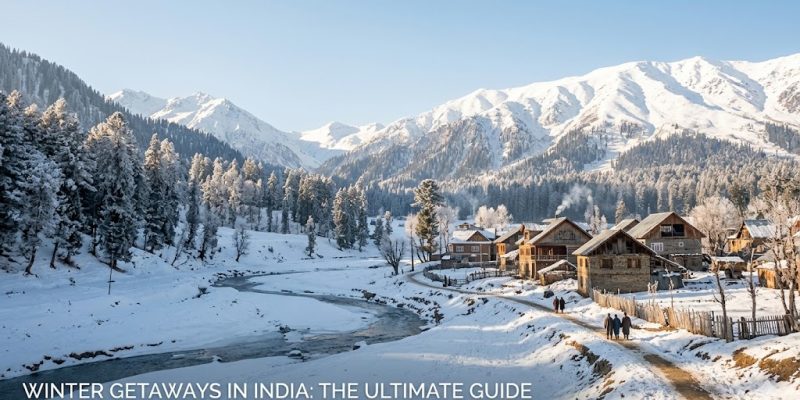
The winter season in India—spanning from November through March—radically transforms the subcontinent’s geographic utility. While the northern Himalayan regions become frigid, high-altitude playgrounds, the western deserts cool to a comfortable baseline, and the southern coastlines shed their oppressive monsoon humidity. This intelligence brief deconstructs the strategic deployment of winter travel across India, detailing the optimal regional hubs to maximize your itinerary during the peak window of late December and early January.
Technical Mechanics: Geographical Diversity & Seasonal Utility
Executing a successful Indian winter excursion requires aligning your specific travel objectives—whether cultural immersion, wildlife tracking, or winter sports—with the correct climatological zone.
-
-
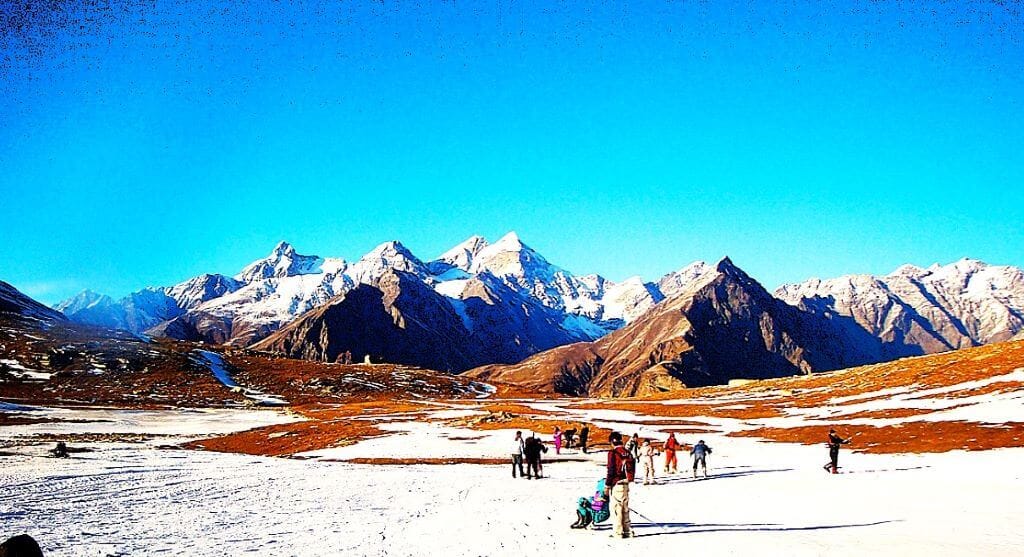
The Himalayan Snowscape: The northern high-altitude zones, specifically regions like Auli in Uttarakhand, transition into premier winter sports hubs. These areas demand specialized thermal gear but reward travelers with world-class skiing, pristine apple orchards, and panoramic views of snow-capped deodar and oak forests.
-
The Desert & Coastal Equilibrium: Winter is the only viable window for exploring India’s arid and coastal zones without severe heat fatigue. The vast white salt deserts of Gujarat’s Rann of Kutch become highly navigable, hosting massive cultural festivals, while coastal heritage sites along the Coromandel Coast offer pleasant, sun-soaked exploration.
-
Biodiversity & Wildlife Tracking: The drop in ambient temperature and the receding monsoon waters make winter the optimal time for wildlife spotting in the northeast. National parks become highly accessible, allowing for extended safaris without the extreme heat of the summer months.
-
Strategic Deployment: The Regional Excursion Matrix
Structuring a winter itinerary requires matching the available time and physical endurance with the correct geographic zone.
| Operational Zone | Strategic Utility | Key Attractions & Deployment |
| Kutch, Gujarat | Cultural Desert Immersion | Explore the vast white salt flats, ancient Dholavira, and the spectacular Rann Utsav festival, known for its local handicrafts and embroidery. |
| Jaisalmer, Rajasthan | Royal Heritage & Desert Vistas | “The Golden City” features royal castles, intricate havelis, and the imposing Jaisalmer Fort overlooking the desert sands. |
| Kaziranga, Assam | High-Density Wildlife Adventure | A UNESCO World Heritage Site boasting two-thirds of the world’s one-horned rhino population. Essential for tracking Assam’s versatile biodiversity. |
| Auli, Uttarakhand | High-Altitude Winter Sports | Top-tier skiing destination with snowy peaks, adventurous treks, and dense oak forests. Requires specialized cold-weather planning. |
| Andaman & Nicobar | Tropical Marine Retreat | Crystal clear waters ideal for snorkeling, diving, and relaxing under the mild winter sun. Perfect for Andaman island-hopping. |
| Mahabalipuram, Tamil Nadu | Historical Coastal Exploration | Rock-cut caves, Coromandel Coast beaches, and the iconic UNESCO-listed Shore Temple and Five Rathas. |
Structural Vulnerabilities and Strategic Limitations
-
Peak Season Saturation: The late December to early January window is the absolute peak of the Indian domestic tourism cycle. Relying on last-minute logistics for prime destinations like the Andaman Islands or Jaisalmer will result in severe booking friction and highly inflated accommodation rates. Planning and securing reservations months in advance is a strict operational requirement.
-
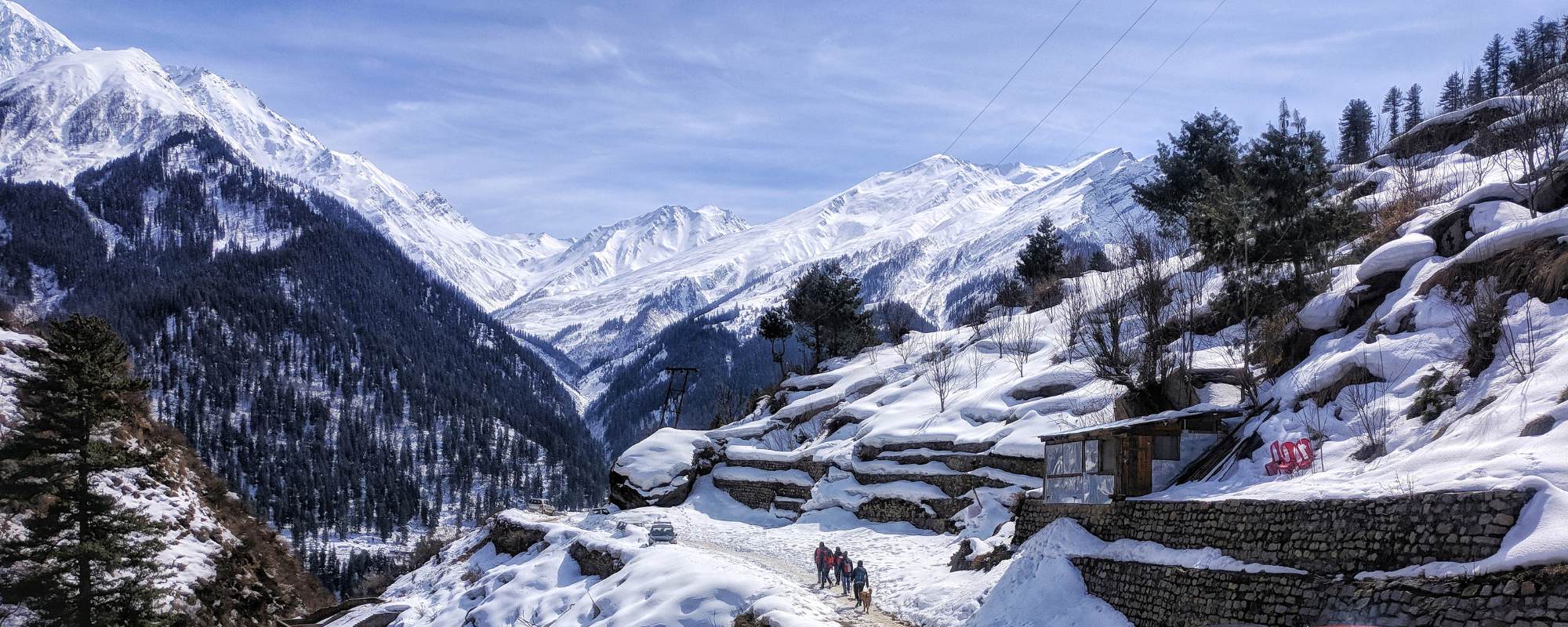
Thermal Extremes: Travelers attempting a multi-zone itinerary (e.g., combining Auli with Mahabalipuram) face massive thermal shock. Packing lists must accommodate sub-zero temperatures in the north and 28°C (82°F) humid baselines in the south, complicating baggage logistics.
-
Infrastructure Choke Points: While remote areas like the Rann of Kutch or Kaziranga offer incredible seasonal experiences, their transportation infrastructure can become overwhelmed during winter festivals. Travelers should build buffer days into their itineraries to account for delayed trains, dense winter fog in the north, or restricted flight schedules.
Conclusion
The strategic verdict on winter travel in India is that the season unlocks the country’s most extreme and rewarding environments. By intelligently categorizing destinations into distinct operational zones—from the high-adrenaline ski slopes of Uttarakhand to the tranquil, sun-soaked beaches of the Bay of Bengal—travelers can engineer a highly customized itinerary. Securing logistics early and matching your desired aesthetic with the correct regional climate guarantees a flawless winter excursion.
Also Read :Best Time To Visit Kasol in Himachal Pradesh