 By
By 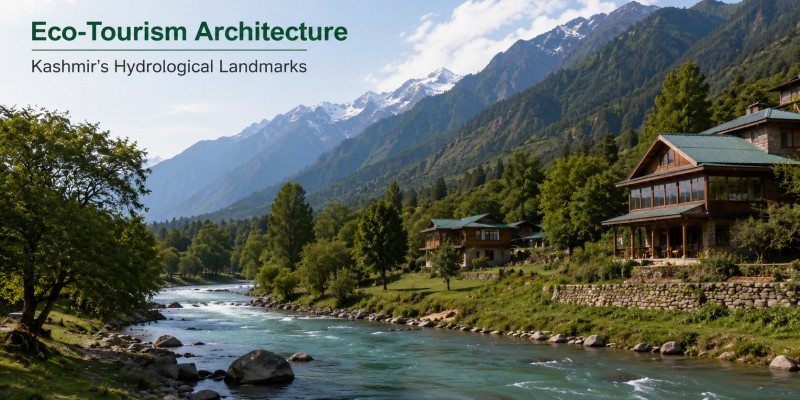
The Kashmir Valley, historically branded as “Paradise on Earth,” relies heavily on its vast network of high-altitude water bodies to drive its global tourism economy. Beyond their raw visual aesthetics, these lakes function as critical socioeconomic engines, supporting local houseboat industries, floating markets, and regional biodiversity. This intelligence brief deconstructs the geographical mechanics, seasonal deployment strategies, and ecological vulnerabilities of the top 10 water bodies outlined in recent travel syndications, providing a strategic framework for optimizing eco-tourism in the Himalayan region.

Technical Mechanics: Hydrological Tourism & Seasonal Utility
Maximizing the tourism yield of Kashmir’s lakes requires navigating extreme altitude variations, seasonal freezing cycles, and distinct ecological profiles.
-
Socioeconomic Infrastructure: Urban lakes like Dal Lake (10 sq. km) and Nagin Lake operate as highly developed commercial hubs. They sustain complex micro-economies utilizing Shikara (wooden boat) transit networks, floating agricultural markets, and stationary houseboat lodgings. These bodies of water are not just tourist attractions; they are functional, inhabited aquatic neighborhoods.
-
High-Altitude Thermal Dynamics: High-altitude Himalayan lakes—such as Pangong Lake, Tso Moriri, and Gadsar Lake (3,600 meters)—are dictated by severe thermal cycles. Fed by glacial meltwater, these lakes freeze entirely when winter temperatures plummet between -5ºC and -10ºC. Consequently, their tourism utility is strictly confined to narrow summer windows.
-
Ecological and Cultural Anchors: The region boasts massive ecological significance. Wullar Lake ranks among Asia’s largest freshwater lakes, supporting extensive water sports and natural ecosystems. Meanwhile, Manasbal Lake serves as a deep-water avian habitat for ornithologists, and Mansar Lake functions as a dual-purpose site, anchoring both ecological leisure and profound religious pilgrimage (notably during the Baisakhi festival).

Strategic Deployment Matrix
Structuring a comprehensive Kashmir itinerary requires categorizing these water bodies by their optimal utility, allowing travel operators to target specific consumer demographics.
| Hydrological Asset | Tactical Geographic Zone | Strategic Tourism Utility |
| Dal & Nagin Lakes | Srinagar Urban Center | High-density commercial tourism, houseboat accommodations, and romantic leisure. |
| Wullar & Manasbal Lakes | Bandipora / Ganderbal | Ecological exploration, bird watching, and offbeat recreational water sports. |
| Pangong & Tso Moriri | Greater Himalayan / Ladakh Region | High-altitude adventure photography and rugged scenic isolation (Summer only). |
| Gadsar & Gangabal Lakes | Mount Haramukh Foothills | Advanced alpine trekking, brown trout fishing, and wilderness camping. |
| Mansar & Surinsar Lakes | Jammu Region | Cultural pilgrimage, family leisure, and seasonal religious festivals (Parikramas). |
Structural Vulnerabilities and Systemic Limitations
-
Ecological Degradation and Over-Tourism: The most accessible urban water bodies, particularly Dal Lake, face severe ecological strain. The dense concentration of commercial houseboats and daily Shikara traffic introduces high levels of pollution and waste management friction. Preserving these assets requires strict governmental regulation regarding wastewater disposal and motorized boat traffic.
-
Temporal and Climatological Chokepoints: The geographical isolation of the high-altitude lakes (Pangong, Tso Moriri, Gadsar) makes them highly vulnerable to sudden climatological shifts. Unpredictable glacial melts, landslides, or early winter freezes can instantly sever access routes, requiring travel operators to build highly flexible contingency plans into their itineraries.
-
Geopolitical Sensitivity: While the region’s natural beauty is unparalleled, the broader Jammu, Kashmir, and Ladakh territories remain geopolitically sensitive. Tourism pipelines are heavily dependent on regional stability, and infrastructure can be subject to sudden security protocols or communication blackouts, necessitating real-time situational awareness for international and domestic travelers alike.
Conclusion
The strategic verdict on Kashmir’s hydrological landmarks is that they are diverse, high-yield assets that require careful logistical orchestration. By understanding the distinct operational profiles of each lake—from the commercial density of Dal Lake to the rugged, seasonal isolation of Pangong—travel architectures can be optimized to distribute tourist footfall more evenly across the region. The long-term viability of Kashmir’s tourism sector depends entirely on balancing this economic extraction with rigorous ecological preservation, ensuring these pristine water bodies survive the demands of modern global travel.
Also Read : Hospitality Architecture: Strategic Breakdown of Elite Maldives Family Resorts