 By
By 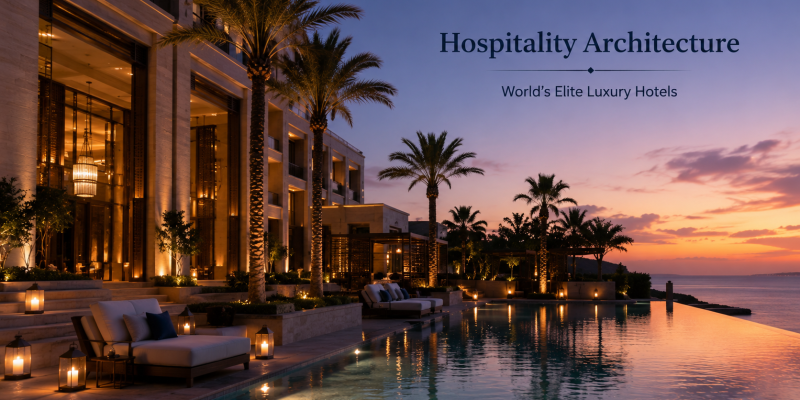
The top-tier luxury travel sector is defined by properties that transcend standard hospitality, offering hyper-personalized experiences, historical immersion, and complete geographical seclusion. From the private island sanctuaries of Fiji to the aristocratic palaces of the Amalfi Coast, engineering an elite destination requires flawless execution. As seen in recent luxury travel roundups, securing properties like the Four Seasons Resort Bora Bora or the historic Shangri-La Paris demands an understanding of their unique operational architectures and transit requirements. This intelligence brief deconstructs the spatial design, service mechanics, and experiential deployment of ten of the world’s most magnificent luxury resorts.

Technical Mechanics: Spatial Seclusion & Historical Integration
Transitioning a hospitality venue from a premium hotel into an iconic global destination relies on heavily customized guest ecosystems and profound environmental integration.
-
Hyper-Personalized Seclusion: Properties like Belize’s Cayo Espanto and Fiji’s Savasi Private Island operate on a model of absolute decentralized privacy. These resorts abandon centralized dining halls and massive communal pools in favor of bespoke, in-villa services tailored to the minute, allowing high-profile guests to exist entirely off the grid.
-
Historical & Cultural Preservation: European heavyweights such as the Grand Hotel Excelsior Vittoria in Sorrento and The St. Regis Florence leverage centuries of architectural heritage. Maintaining 19th-century frescoes and authentic Napoleonic suites requires specialized preservation frameworks, allowing guests to experience aristocratic history without sacrificing modern operational efficiency.
-
Immersive Ecological Engineering: Destinations like South Africa’s Gondwana Game Reserve and Hawaii’s Four Seasons Hualalai merge luxury with raw ecological exposure. By integrating infinity pools into active wildlife drinking holes or carving saltwater lagoons out of natural lava rock, these properties engineer high-value experiential touchpoints that standard urban luxury hotels cannot replicate.
Strategic Deployment Matrix
Structuring a comprehensive luxury travel itinerary requires matching the specific environmental and cultural profile of a resort to the operational objectives of the traveler.
| Hospitality Asset | Tactical Geographic Zone | Strategic Experiential Utility |
| La Residence & Gondwana | South African Wine Country / Savannah | Delivers high-yield culinary aesthetics and immersive Big 5 wildlife encounters. |
| Four Seasons (Bora Bora & Hualalai) | High-End Pacific Islands | Provides pristine lagoon access and rugged volcanic integration optimized for premier honeymoon logistics. |
| The Barai (Thailand) | Southeast Asian Wellness Hub | Operates as an exclusive hotel-within-a-hotel, offering a comprehensive, all-inclusive architectural spa maze. |
| St. Regis Florence & Shangri-La Paris | Elite European Urban Centers | Functions as palatial, history-rich basecamps for navigating prominent cultural museums and city landmarks. |
Structural Vulnerabilities and Systemic Limitations
-
Logistical Friction & Remote Access: Hyper-secluded properties demand highly complex transit pipelines. Reaching Savusavu in Fiji or chartering light aircraft to Belizean private islands introduces significant travel friction and vulnerability to severe weather disruptions, requiring travelers to constantly monitor global aviation weather metrics prior to departure.
-
Ecological Preservation Costs: Operating a massive game reserve in South Africa or maintaining a sustainable overwater bungalow ecosystem in French Polynesia requires immense capital dedicated strictly to environmental protection, waste management, and localized conservation efforts to prevent habitat degradation.
-
Service Expectation Thresholds: When resorts charge top-tier luxury rates, the consumer tolerance for operational failure drops to zero. Maintaining flawless, intuitive service staff across isolated island regions or historically delicate buildings is a continuous human resources challenge frequently analyzed by hospitality auditors like Forbes Travel Guide
Conclusion
The strategic verdict on the world’s elite luxury resorts is that true exclusivity relies on the seamless fusion of location, historical preservation, and hyper-personalized service. By decentralizing the traditional hotel experience into private villas, historical suites, and immersive wellness retreats, these properties command the highest tiers of the global hospitality market. Whether navigating the historic palaces of Florence or the remote beaches of the South Pacific, the ultimate goal remains the same: engineering an authentic, culturally rich experience that completely insulates guests from the friction of standard travel.
Also Read : Hospitality Architecture: Strategic Breakdown of Elite Maldives Family Resorts