 By
By 
Chile offers one of the most geographically diverse landscapes on the planet, stretching narrowly along the southern hemisphere from the world’s driest non-polar desert down to the deep glacial regions of Patagonia. This intelligence brief deconstructs ten high-priority travel destinations across the country, highlighting their unique geographical properties, tourism appeal, and the strategic logistics required to navigate these contrasting environments.
Technical Mechanics: Geographic Extremes & Topography
Chile’s primary appeal lies in its extreme topographical contrast, demanding varied logistical approaches for travelers exploring its different latitudes.
-
The Arid North: The Atacama Desert, bordering Bolivia, is the driest non-polar desert on Earth. Destinations like Moon Valley (Valle de la Luna) and the nearby Valley of Death feature geological formations sculpted by millions of years of erosion, creating lunar-like landscapes that dramatically change color at sunset. The region is also home to the rare phenomenon of the Desierto Florido, where unexpected rainfall triggers sudden, massive desert flower blooms.
-
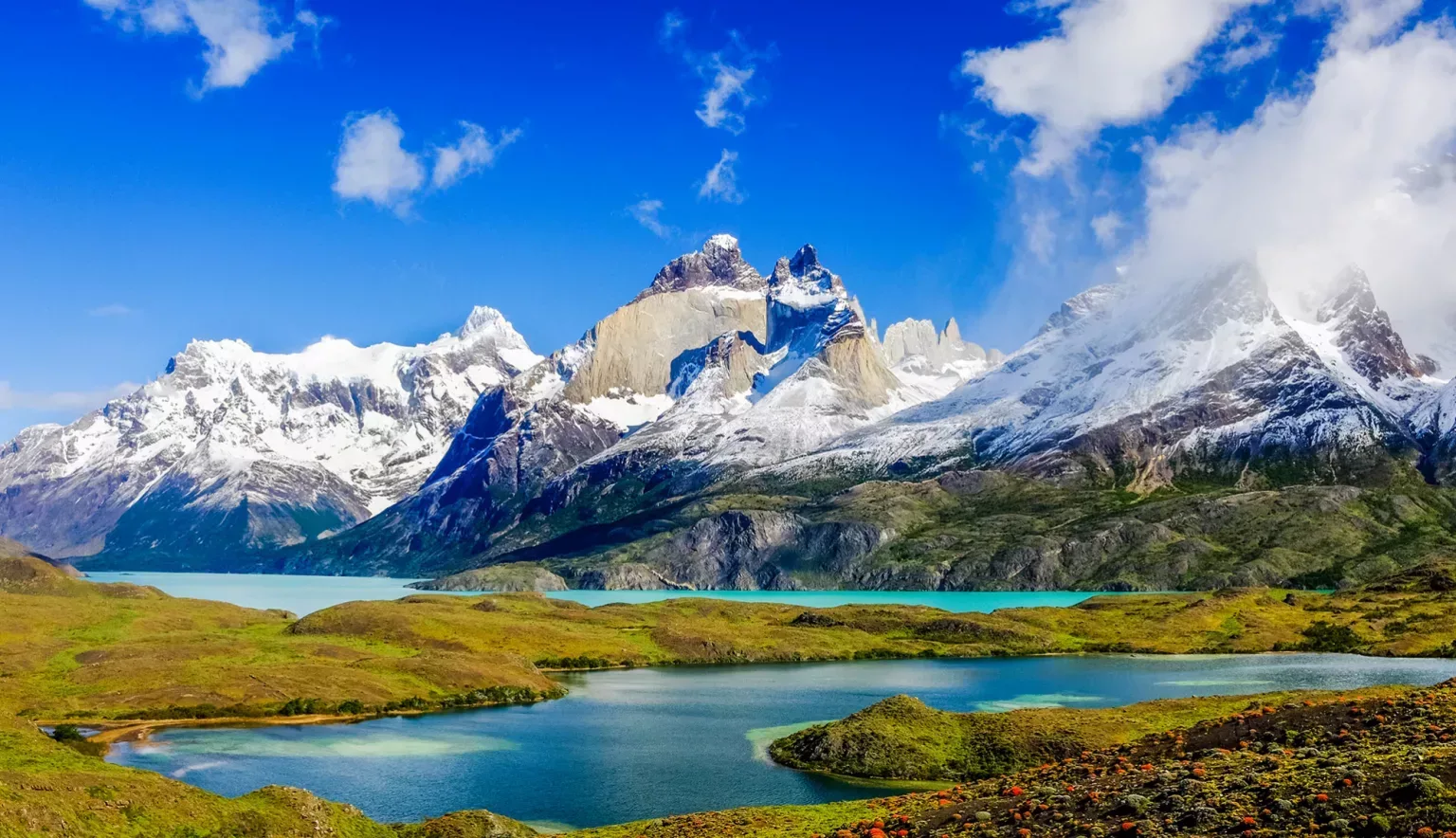
The Patagonian South: The southern extremity of Chile is dominated by the Patagonia region. Torres del Paine National Park anchors this zone, offering world-renowned trekking routes (like the multi-day “W trek”) amidst vibrant turquoise waters like Lake Pehoé and the iconic granite peaks of the Andes.
-
Remote Isolation: Located approximately 3,700 kilometers off the Chilean coast, Easter Island (Rapa Nui) stands as one of the most isolated inhabited places on Earth, renowned globally for its monumental Moai stone sculptures and deep Polynesian archaeological history.
Strategic Deployment: Key Destinations
A comprehensive Chilean itinerary requires navigating distinct geographical zones, each offering highly specific visual and experiential assets.
| Destination | Geographic Zone | Primary Strategic Appeal |
| Moon Valley | Atacama Desert | Lunar-like salt caves and dunes; renowned for transformative sunset colors. |
| Torres Del Paine | Patagonia | High-intensity trekking and massive glacial mountain landscapes. |
| Santiago | Central Valley | Capital hub featuring the Gran Torre Santiago, set directly against the Andes. |
| Lauca National Park | Far North | High-altitude ecosystems, featuring Lago Chungará, one of the world’s highest lakes. |
| Mano del Desierto | Antofagasta | An 11-meter sculpture of a hand emerging from the desert, serving as a surreal photographic landmark. |
| Easter Island | Pacific Ocean | Isolated archaeological site featuring ancient Moai statues and mystical folklore. |
| Valparaiso | Central Coast | Historic port city famous for its colorful, cliffside architecture and vibrant street art. |

Structural Vulnerabilities and Strategic Limitations
-
Extreme Climate Variation: Traveling between the Atacama and Patagonia requires packing for absolute temperature extremes. The Atacama experiences intense daytime heat followed by freezing nighttime temperatures, while Patagonia is notorious for sudden, violent windstorms and unpredictable rainfall even in summer.
-
Altitude and Acclimatization: Northern destinations like Lauca National Park and San Pedro de Atacama operate at extreme altitudes. Travelers risk severe altitude sickness if they do not strategically schedule time for physical acclimatization before embarking on high-elevation tours.
-
Remote Logistics: Reaching destinations like Easter Island or deep Patagonian reserves involves significant transit time, expense, and planning. Flights to Easter Island are limited, while navigating Torres del Paine often requires booking remote refugios (mountain shelters) many months in advance due to strict national park capacity limits.
Conclusion
The strategic verdict for navigating Chile is that its unparalleled geographical diversity requires meticulous logistical planning. By understanding the distinct environmental demands of the arid north, the central urban and coastal hubs, and the glacial south, travelers can successfully execute comprehensive itineraries. Whether photographing the sunset in the Moon Valley or trekking the rugged trails of Patagonia, Chile remains a premier destination for high-intensity adventure and geographical exploration.
Also Read : Philippines Tourism and Island Logistics