 By
By 
Costa Rica is a land of dualities: where rugged rainforests meet pristine coastlines and sun-drenched dry seasons give way to lush “green” months. Whether you are looking to spot a soaring Quetzal or score a deal on a luxury eco-lodge, timing is everything. While the U.S. dollar continues to go a long way here, your experience will depend heavily on which side of the mountain range you land on.
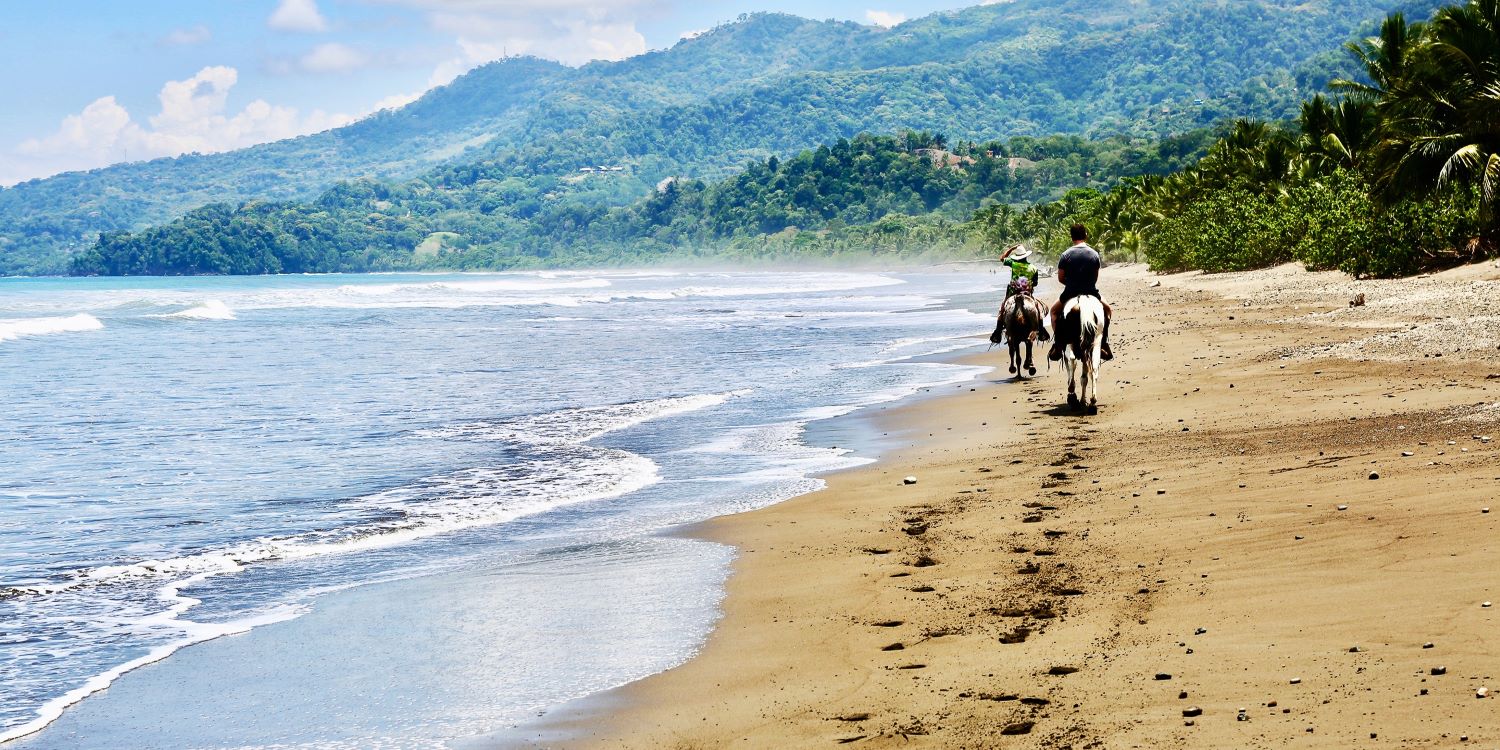
The Peak Season: December to April (Dry Season)
This is Costa Rica’s most popular time to visit, and for good reason. The “dry season” boasts nearly constant sunshine, making it the ideal window for trekking through cloud forests and lounging on the Pacific sands.
-
Best For: Beach seekers, wildlife enthusiasts, and festival-goers.
-
Wildlife Highlights: High visibility for Quetzals and black-handed spider monkeys.
-
The Crowd Factor: This is peak tourist season. Expect higher prices and book your hotels at least three months in advance.
-
Temperature: Coastal regions like Guanacaste can soar into the 90s°F, while San José stays a comfortable 70°F.
Key Events (Dry Season)
-
El Tope and Carnival (December): Massive horse parades and street parties.
-
Palmares Fiestas (January): Two weeks of concerts, bullfights, and dancing.
-
National Orchid Show (March): A showcase of Costa Rica’s 1,400+ orchid species.
The Green Season: May to November (Rainy Season)
Don’t let the term “rainy season” deter you. Also known as the Green Season, this period sees the landscape burst into vibrant shades of emerald.
-
The Budget Edge: Accommodation costs are at their lowest.
-
The July/August “Sweet Spot”: Rain showers often pause briefly during these two months, offering a perfect middle ground of lush scenery and manageable weather.
-
The Obstacle: Unpaved roads in remote areas can become impassable during heavy October rains.
Pro Tip: If you visit the Caribbean coast (Limón), September and October are actually the driest and sunniest months, offering a “mini-summer” while the rest of the country is wet.
Weather & Tourism at a Glance
| Month | Avg. Temp (°F) | Precipitation (in) | Tourist Volume |
| Jan – Feb | 74° – 75° | < 0.5″ | Very High |
| Mar – Apr | 77° – 78° | 0.5″ – 1.7″ | High |
| May – June | 78° – 79° | 8.7″ – 11.1″ | Medium |
| July – Aug | 76° – 77° | 8.2″ – 9.9″ | High (Sweet Spot) |
| Sept – Oct | 77° – 78° | 12.8″ | Low |
| Nov – Dec | 74° – 75° | 1.6″ – 5.5″ | Increasing |
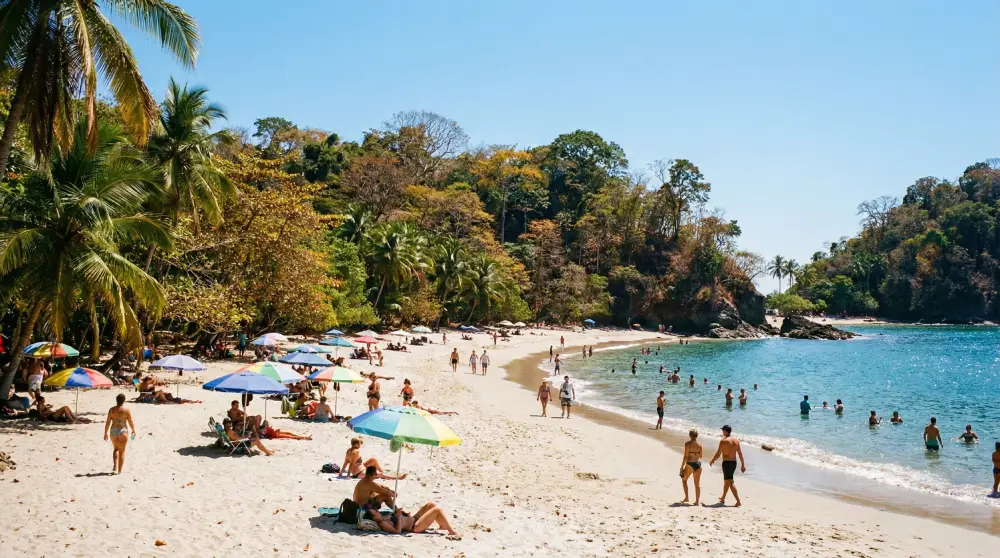
Regional Variations: Know Your Microclimates
Costa Rica’s weather is dictated by its varied topography. Before you pack, check the specific forecast for your destination via the National Climatic Data Center.
-
Caribbean Coast & Northern Plains: Expect high humidity and rain year-round. Temperatures stay in the 70s to high 80s.
-
North Pacific (Nicoya Peninsula/Guanacaste): The driest region. Very low humidity but high temperatures (often exceeding 90°F in March).
-
Central Valley (San José): The “Eternal Spring.” Temperatures hover around 70°F-75°F regardless of the month.
Essential Planning Tips for 2026
-
Reservations: For travel in December or January, book tours and rooms at least 4–6 months ahead.
-
Transportation: If visiting in the Green Season, rent a 4WD vehicle to navigate potentially muddy roads. Check our guide on Getting Around Costa Rica for more.
-
Currency: While the Colóne is the official currency, U.S. Dollars are widely accepted in tourist hubs.
Also Read : Best Places to Travel in December 2026