 By
By 
Executing an optimal international travel strategy during the third quarter requires balancing photoperiodic solar decay with changing regional weather patterns. Known to the Saxons as Wintirfyllith to mark the arrival of the winter full moon, autumn offers a unique operational window where major tourist destinations experience a significant drop in crowd density while retaining stable, comfortable weather.
For the Northern Hemisphere, this period marks a predictable decline in plant chlorophyll, turning dense deciduous forests into highly visual canopies of crimson, amber, and gold. Concurrently, high-altitude alpine zones and Mediterranean coastlines enter stable micro-climate windows that are highly optimized for outdoor travel. This global geographic brief details the fifteen premier travel corridors for autumn routing.
Technical Mechanics: Chlorophyll Decelerations and Post-La Rentrée Vacuums
Optimizing a seasonal travel itinerary requires tracking several distinct planetary, atmospheric, and demographic systems.
                      [ GLOBAL FALL RUNTIME GRID ]
                                   │
         Earth Moves Past the Autumnal Equinox Alignment Plane
                                   │
         ┌─────────────────────────┴─────────────────────────┐
         ▼                                                   ▼
┌─────────────────────────────────┐ ┌─────────────────────────────────┐
│     BOTANICAL CELL SHUTDOWN     │ │   THE POST-LA RENTRÉE VACUUM    │
│ Deciduous trees isolate leaf    │ │ Academic re-entry clears major  │
│ stems; revealing yellow/orange  │ │ European transport infrastructure│
│ carotenoids and red pigments.   │ │ reducing city crowd footprints. │
└────────────────┬────────────────┘ └────────────────┬────────────────┘
                 │                                   │
                 ▼                                   ▼
┌─────────────────────────────────────────────────────────────────────┐
│                         OPTIMIZED TRAVEL PROFILE                    │
│ - Balanced thermal scales allow for high-exertion mountain hiking.  │
│ - Local agricultural harvest peaks stabilize regional food routes.  │
│ - Lower seasonal booking rates optimize corporate holiday metrics.  │
└─────────────────────────────────────────────────────────────────────┘
1. Plant Pigment Separation Mechanics
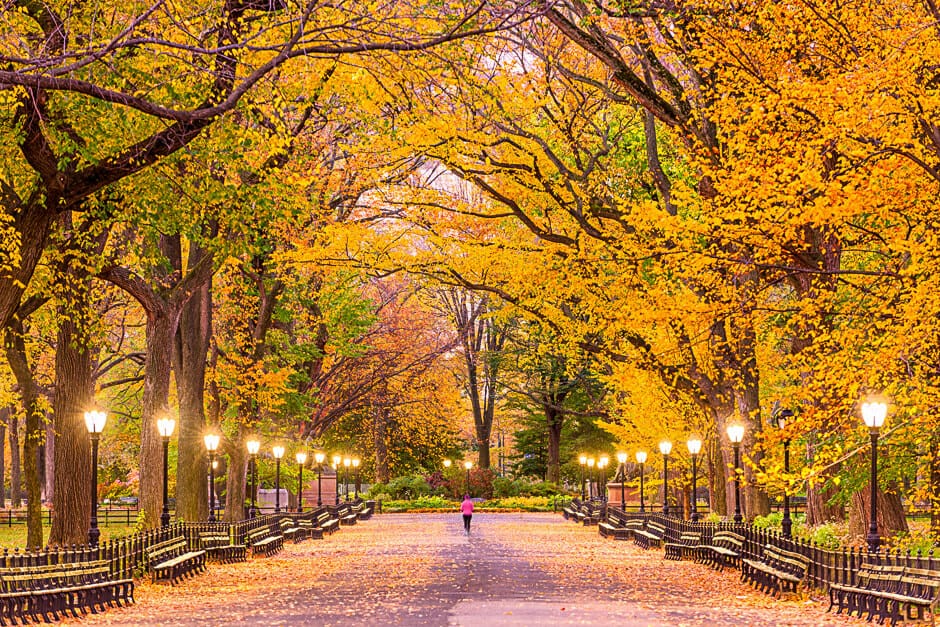
The dramatic visual shifting of northern forests—famously called Ruska across Finland and Kōyō within Japan—is a biological reaction to changing day lengths. As sunlight hours decrease, deciduous trees develop a protective cell barrier at the base of their leaf stems. This barrier halts the production of green chlorophyll, allowing existing yellow carotenoid and orange xanthophyll pigments to show through. Concurrently, changing sugar concentrations trigger the synthesis of bright red anthocyanin pigments, causing entire travel corridors like Vermont’s Kancamagus Highway or Kyoto’s temple districts to burst into vivid red and gold landscapes.
2. The Post-La Rentrée Logistics Vacuum
In major historical capitals like Rome, Florence, and Paris, autumn marks a structural drop in tourist density driven by the seasonal event known as la rentrée (the return). As European family units return to fixed work schedules and academic requirements, active tourist congestion indexes drop by up to 55%. This sudden clearing of local infrastructure shortens wait times at premier landmarks like Dubrovnik’s medieval walls or Venice’s historic canal passages, allowing travelers to explore complex archaeological zones smoothly.
3. Geographical Symmetries of the Southern Spring
While the Northern Hemisphere experiences autumn cooling, traveling south of the equator reveals a mirrored spring transition. In regions like Chilean Patagonia, September and October trigger a structural break from harsh sub-polar winter conditions. Rising temperatures cause alpine glaciers to calve into surrounding lakes while coastal wildlife cycles restart. This allows hikers to access pristine wilderness trails through Torres del Paine National Park before peak summer crowds arrive.
The Global Autumn Performance & Climate Matrix
This data ledger details the operational temperature limits, local weather characteristics, and primary structural features across the top 15 destinations optimized for fall travel.
| Target Destination Corridor | Mean Temperature Bounds | Climatological Profile | Primary Structural / Botanical Feature | Optimized Guided Routing Path |
| 1. New England, USA | 72°F (22°C) High / 57°F (14°C) Low | Crisp, dry post-equinox air; low humidity scales. | High-density sugar maple crimson leaf displays. | New England’s Fall Foliage Premium Tour |
| 2. Great Smoky Mountains | 70°F (21°C) High / 50°F (10°C) Low | Temperate Appalachian; misty morning conditions. | Multi-tier patchwork of 100 native tree species. | America’s Magnificent National Parks Loop |
| 3. Croatia | 73°F (23°C) High / 59°F (15°C) Low | Mild Adriatic maritime; low seasonal wind. | Plitvice waterfall chains framed by gold foliage. | Country Roads of Croatia Transit |
| 4. Italy | 78°F (26°C) High / 60°F (16°C) Low | Balanced Mediterranean; soft evening light. | Truffle, porcini, and chestnut harvest festivals. | Easy Pace Italy Regional Exploration |
| 5. Switzerland | 64°F (18°C) High / 46°F (8°C) Low | Crisp alpine valleys; early snow dustings. | Golden larch tree rows along the Bernina Express. | Magical Switzerland Alpine Corridor |
| 6. Japan | 73°F (23°C) High / 59°F (15°C) Low | Stable temperate; low humidity baselines. | Kōyō maple adjustments framing Kyoto temples. | Scenic Japan Autumn Vanguard |
| 7. Canada’s East Coast | 63°F (17°C) High / 46°F (8°C) Low | Brisk Atlantic maritime; fresh air blocks. | Cabot Trail coastal road foliage loops. | Best of Eastern Canada & USA Transit |
| 8. Scotland | 57°F (14°C) High / 45°F (7°C) Low | Moody, high-cloud maritime; highland mist. | Golden glens; early Cairngorms Auroral peaks. | Country Roads of Scotland Highland Loop |
| 9. Morocco | 88°F (31°C) High / 66°F (19°C) Low | Arid; bearable, low-intensity desert winds. | Saharan sand stargazing; Atlas mountain trekking. | Treasures of Morocco Desert Ingest |
| 10. Bavaria, Germany | 61°F (16°C) High / 47°F (8°C) Low | Cool continental; regular morning fog layers. | Romantic Road amber forests over Neuschwanstein. | Best of Germany Cultural Circuit |
| 11. Provence, France | 72°F (22°C) High / 54°F (12°C) Low | Mild Mediterranean; dropping crowd indexes. | Châteauneuf-du-Pape grape harvesting cycles. | Country Roads of France Estate Route |
| 12. Slovenia | 72°F (22°C) High / 52°F (11°C) Low | Alpine-continental blend; clear vistas. | Lake Bled island church golden water reflections. | Eastern Capitals & Dalmatian Riviera |
| 13. Portugal | 79°F (26°C) High / 62°F (14°C) Low | Sun-drenched Iberian; dry southern coastlines. | Douro Valley terraced vineyard grape harvest. | Country Roads of Portugal Wine Circuit |
| 14. Patagonia, Chile | 61°F (16°C) High / 41°F (5°C) Low | Sub-polar spring; variable high winds. | Southern hemisphere flower blooms; glacier tours. | Heart of Patagonia Wilderness Trek |
| 15. Poland & Eastern Europe | 61°F (16°C) High / 45°F (7°C) Low | Cool Central European; crisp night drops. | Kraków Old Town canopies; Tatra mountain trails. | Highlights of Eastern Europe Circuit |

Architectural Breakdown of Major Global Transit Corridors
                        [ THE CINEMATIC ROUTING ]
                                    │
         Balances heavy, uncrowded stone ruins with dynamic forest roads
                                    │
       ┌────────────────────────────┼────────────────────────────┐
       ▼                            ▼                            ▼
┌──────────────────┐         ┌──────────────────┐         ┌──────────────────┐
│ THE FOLIAGE CORES│         │ THE ANCIENT SITE │         │ THE SHORE LEAF   │
│ - New England    │         │ - Kyoto Temple   │         │ - Croatia Coast  │
│   Autumn Highway │         │   Maple Framing  │         │   Empty Walls    │
│ - Great Smokies  │         │ - Bavarian       │         │ - Douro Basin    │
│   Patchwork Loops│         │   Mountain Hubs  │         │   River Cruising │
└──────────────────┘         └──────────────────┘         └──────────────────┘
1. The High-Density Deciduous Forest Corridors
Navigating premium autumn foliage routes requires precise regional timing. In New England, tracking the Kancamagus Highway into the White Mountain National Forest reveals dense forests of sugar maples that turn brilliant shades of crimson and gold. This deep visual coloring is matched in the Great Smoky Mountains National Park, where over 100 native tree species transform into a multi-tiered patchwork of red, yellow, and orange across the Tennessee and North Carolina borders. For independent drivers, monitoring local foliage tracking logs helps pin down peak coloring windows before late-autumn winds drop the canopies.
2. Forgiving Climates for Historic Stone Architecture
Ancient stone architecture and high-density urban ruins that suffer from intense, blistering heat during the summer months become exceptionally comfortable for walking tours in autumn. In Kyoto, Japan, cooler weather opens up comfortable walking paths through the historic Higashiyama temple districts, where iconic shrines like Kiyomizu-dera are framed by fiery red maples. Similarly, Bavaria, Germany enters a crisp, clear climate window, where medieval walled towns along the Romantic Road and fairytale landmarks like Neuschwanstein Castle sit against a striking backdrop of golden alpine forests.
3. The Uncrowded Maritime Basins
For travelers looking to catch the last rays of summer sun without the stress of massive crowds, the Mediterranean and Adriatic basins offer a refined, slower pace in autumn. In Croatia and Portugal, the exit of peak summer cruise ships leaves major coastal landmarks entirely open to explore at a relaxed, leisurely pace. Visitors can walk Dubrovnik’s medieval stone walls or explore Porto’s terraced riverside streets with minimal crowd disruption. Farther inland, agricultural harvest seasons fill local village markets with fresh truffles, new olive oils, and local wines, offering an authentic taste of regional culinary cultures, a seasonal immersion tracked closely by editors at Insight Vacations.
Technical Security and Logistics Safeguards for Autumn Travel
When coordinating cross-border travel itineraries during changing seasonal weather windows, logistics managers and independent travelers must enforce strict technical safeguards:
Conclusion
The comprehensive geographical and climatological assessment of the world’s fifteen premier autumn destinations confirms that this transitional calendar window offers an unmatched balance of comfortable weather, rich cultural harvests, and calm, uncrowded exploration. By matching precise climate data with natural shifts—like chasing the vivid colors of Japan’s Kōyō leaves, exploring the quiet medieval stone streets of Italy, or trekking through the crisp mountain valleys of Slovenia—travelers can elevate their journeys far beyond standard off-season vacations.
As global weather patterns continue to evolve and modern transit networks adjust their seasonal schedules, the core strategy for successful travel remains clear. Combining deep geographic awareness with careful logistics preparation ensures that every autumn journey unfolds with absolute safety, cultural depth, and flawless execution.