 By
By 
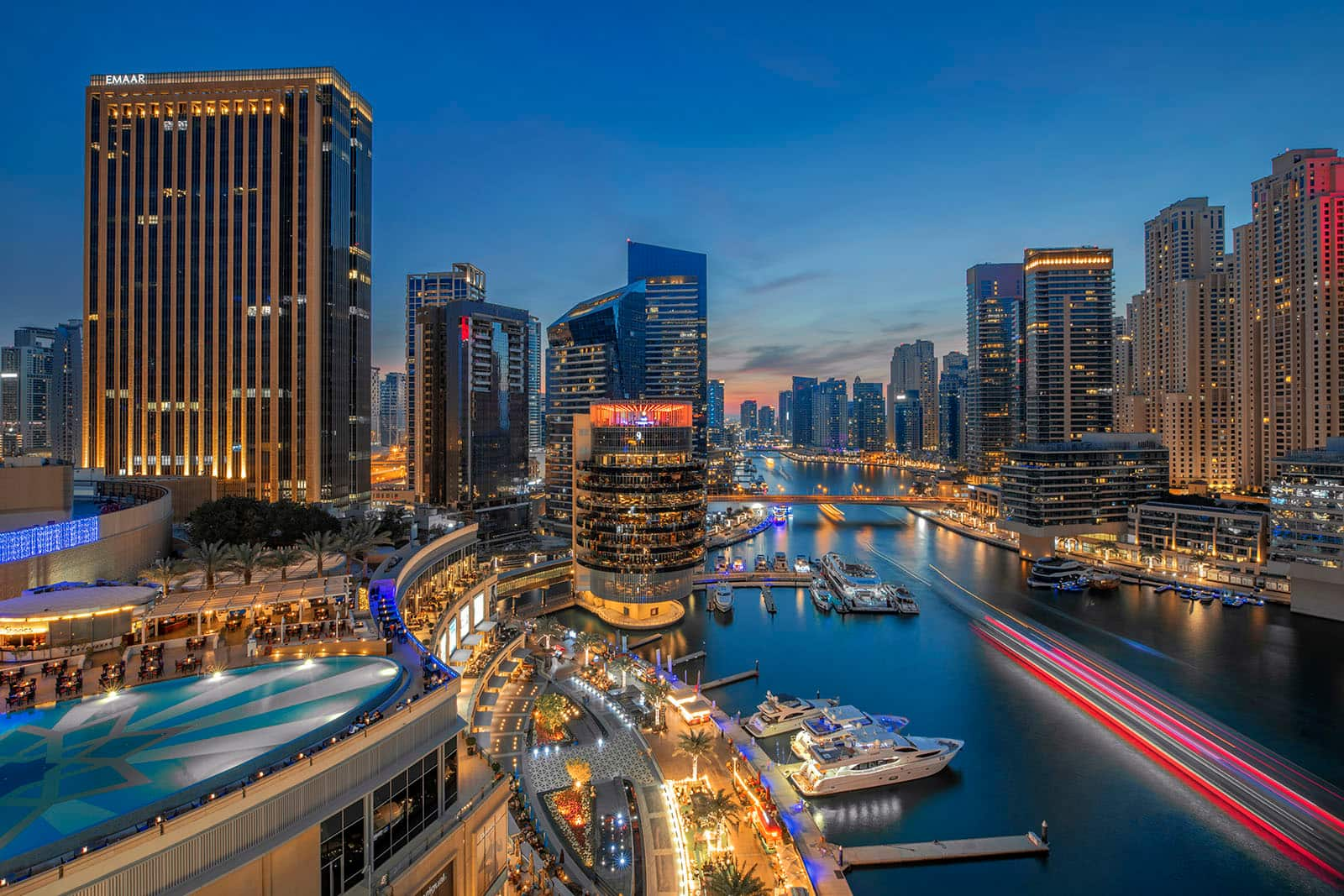
Dubai operates as a dual-phase metropolis, where its most significant architectural and cultural assets are specifically engineered for nighttime engagement. As the intense desert sun sets, the city’s extreme verticality is highlighted by millions of lumens of synchronized illumination, transforming the urban landscape into a high-density entertainment grid. Navigating this environment requires strategic itinerary planning to bypass heavy crowds and maximize exposure to the city’s waterfront, retail, and historical nodes. This intelligence brief deconstructs the optimal zones and logistical updates for exploring Dubai after dark in 2026.
Technical Mechanics: Vertical Observation & Aquatic Synchronization
Dubai’s nighttime infrastructure relies heavily on manipulating light, water, and elevation to create globally recognized focal points.
-
-
Observation Architecture: The Burj Khalifa’s At The Top observation decks (floors 124, 125, and 148) offer unparalleled nocturnal views of the illuminated urban grid. To mitigate extreme crowd density, strategic ascents are recommended immediately following sunset. Similarly, the Sky Views Observatory offers a glass-floor bridge and a transparent SkySlide, leveraging the city’s verticality for a high-adrenaline nighttime experience.
-
Hydro-Illumination: The Dubai Fountain at Burj Lake remains a centerpiece of evening operations. Propelling 22,000 gallons of water up to 140 meters in the air, the system is synchronized to a massive array of 6,600 “WET Superlights” and color projectors. As of Q2 2026, the fountain is undergoing a Phase 2 upgrade to further enhance its lighting, sound, and aquatic choreography.
-
Retail as Entertainment: The Dubai Mall operates as an indoor micro-city, remaining open late into the evening. It strategically integrates major attractions like the Dubai Aquarium & Underwater Zoo and a full-scale ice rink to retain visitors well past standard retail hours.
-
Strategic Deployment: The Nocturnal Excursion Matrix
Structuring a successful nighttime itinerary requires matching the traveler’s operational goals with the correct urban zone.
| Operational Zone | Primary Focus | Strategic Value Proposition |
| Downtown Dubai Core | Vertical observation & synchronized aquatic displays. | Immediate access to the Burj Khalifa, the Dubai Mall, and the newly upgraded Dubai Fountain. Ideal for iconic nighttime photography. |
| Dubai Marina & JBR | Waterfront dining & traditional nautical transit. | Pedestrian-friendly access to the Marina Walk alongside illuminated skyscraper canyons; offers traditional wooden Dhow cruise dining. |
| Dubai Creek Harbour | Historical preservation & traditional commerce. | Provides a stark contrast of the modern skyline against historical roots; grants late-night access to traditional Gold and Spice Souks via Abra transport. |
| Peripheral Attractions | Desert isolation & multi-cultural retail. | Escapes urban light pollution via stargazing desert safaris; offers high-density international food and shopping at the seasonal Global Village. |
Structural Vulnerabilities and Strategic Limitations
-
The Pointe / Palm Fountain Decommissioning (2026 Update): Travelers relying on outdated itineraries may attempt to visit The Pointe at Palm Jumeirah to view the record-breaking Palm Fountain. This entire development was permanently closed in late 2023 for a massive redevelopment project into luxury villas (The Palm Crown), rendering the area a dead zone for evening entertainment. All aquatic show interests must be redirected to the downtown Dubai Fountain.
-
La Mer Zoning Shifts: The beachfront destination of La Mer has undergone significant restructuring. While La Mer North remains open for family-friendly evening dining and beachside strolls, the southern zone has been heavily redeveloped into the ultra-luxury J1 Beach club sector. Visitors seeking casual nighttime relaxation must ensure they navigate to the correct northern zone.
-
Thermal & Transit Friction: Even after dark, Dubai’s ambient temperatures and humidity levels can remain oppressively high from May through September, necessitating a reliance on indoor or heavily air-conditioned transit. Furthermore, the massive foot traffic around the Dubai Mall and Burj Lake between 7:00 PM and 10:00 PM creates severe logistical bottlenecks for taxis and rideshares.
Conclusion
The strategic verdict for nighttime deployment in Dubai is that the city is meticulously engineered to function as a 24-hour entertainment hub. By understanding the recent decommissioning of assets like The Pointe and leveraging the upgraded infrastructure at the Dubai Fountain, travelers can efficiently navigate the nocturnal landscape. Whether seeking the high-altitude isolation of a desert safari, the historical commerce of Dubai Creek, or the hyper-modern glow of the Marina, Dubai offers a highly structured, highly visible playground that strictly demands advance planning to avoid peak-hour congestion.
Also Read : Geographic Architecture: 10 Places to Visit in Chile