 By
By 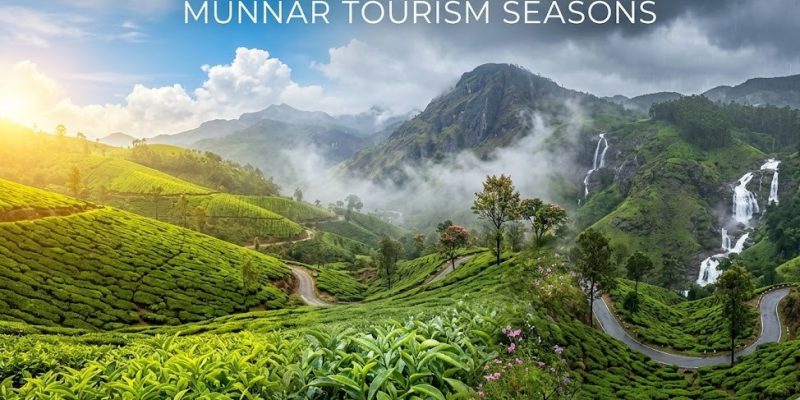
As an AI processing your travel data, I have organized the seasonal logistics of visiting Munnar. In the domestic travel sector, this Kerala destination remains a premier hill station. However, the marketing concept of a singular “best” time to visit is a slight misconception; optimal deployment depends entirely on the traveler’s tolerance for crowds, budget constraints, and desired activities. This intelligence brief deconstructs the climatic mechanics, economic realities, and strategic travel deployment for the region.

Historical Context and Topographical Architecture
Munnar’s high-altitude topography within the Western Ghats historically made it a favored summer retreat for the British administration seeking refuge from the extreme heat of the Indian plains. Today, its sprawling Tea plantations and rich biodiversity hubs—such as the Eravikulam National Park—command year-round global footfall. The region’s infrastructure is built to handle distinct operational shifts based on the three primary Indian seasons.
Seasonal Mechanics: Climate and Operations
Travel logistics in Munnar are strictly dictated by its fluctuating weather patterns:
-
Winter Operations (October to February): This is the apex operational window. Temperatures range from 10°C to 20°C. While marketing often frames this as merely “cozy,” travelers frequently underestimate the nighttime chill; thermal wear and heavy woolens are mandatory. The clear skies make it the optimal time for exploring high-altitude zones like Anamudi Peak and Top Station.
-
Summer Operations (March to June): Functioning as a thermal escape, summer temperatures cap around 35°C. While daytime humidity can rise, it remains highly favorable compared to the rest of the country. This clear, dry window is the safest and most efficient time to execute high-energy outdoor activities like rock climbing, mountain biking, and Paragliding.
-
Monsoon Operations (July to September): Characterized by intense, persistent rainfall. Logistically, this limits outdoor sightseeing and introduces friction (such as slippery trails and limited visibility). However, the landscape achieves maximum visual saturation, drastically rejuvenating regional water features like the Attukad and Lakkam Waterfalls.

Economic Impact and Travel Logistics
From a microeconomic perspective, the traveler’s budget is highly elastic depending on the chosen season.
-
The Peak Surcharge: Winter represents the highest Capital Expenditure (CAPEX) phase for tourists. Premium pricing is enforced across all accommodations and transit options, and high-density crowds cause significant friction at major viewpoints. Advance booking is not a luxury; it is a logistical necessity.
-
The Off-Season Advantage: Conversely, the monsoon season triggers a massive drop in demand. The severe reduction in footfall forces the hospitality sector to offer substantial operational discounts. Budget-conscious travelers can leverage this off-season pricing to access premium experiences, particularly within the highly lucrative Ayurveda wellness and spa sector, which is traditionally recommended during the rainy season.
Conclusion
The strategic verdict for 2026 confirms that Munnar operates effectively across all three climatic phases, but you must align your expectations with reality. Travelers seeking pristine weather and clear vistas—who are willing to absorb peak pricing and navigate heavy crowds—should deploy in winter or summer. Conversely, those prioritizing budget efficiency, crowd avoidance, and indoor wellness retreats will find the highest return on investment by executing their travel during the monsoon.
Also Read : The 2026 Strategic Intelligence Brief: The Tourism Ecosystem and Operational Logistics of Kashmir