 By
By 
In the Southeast Asian maritime tourism sector, the Philippines represents a primary hub for high-biodiversity marine activities and distinct geological landscapes. As of 2026, the country’s tourism model remains decentralized, requiring a strategic approach to island-hopping logistics across its three primary geographical divisions: Luzon, Visayas, and Mindanao. This intelligence brief deconstructs the structural advantages of key regions, the technical mechanics of inter-island transport, and the economic considerations for optimizing a nationwide itinerary.
Historical Context: Archipelagic Geography and Cultural Identity
The Philippines is an archipelago of over 7,000 islands, which has historically necessitated a reliance on maritime and aviation infrastructure for national integration.
-
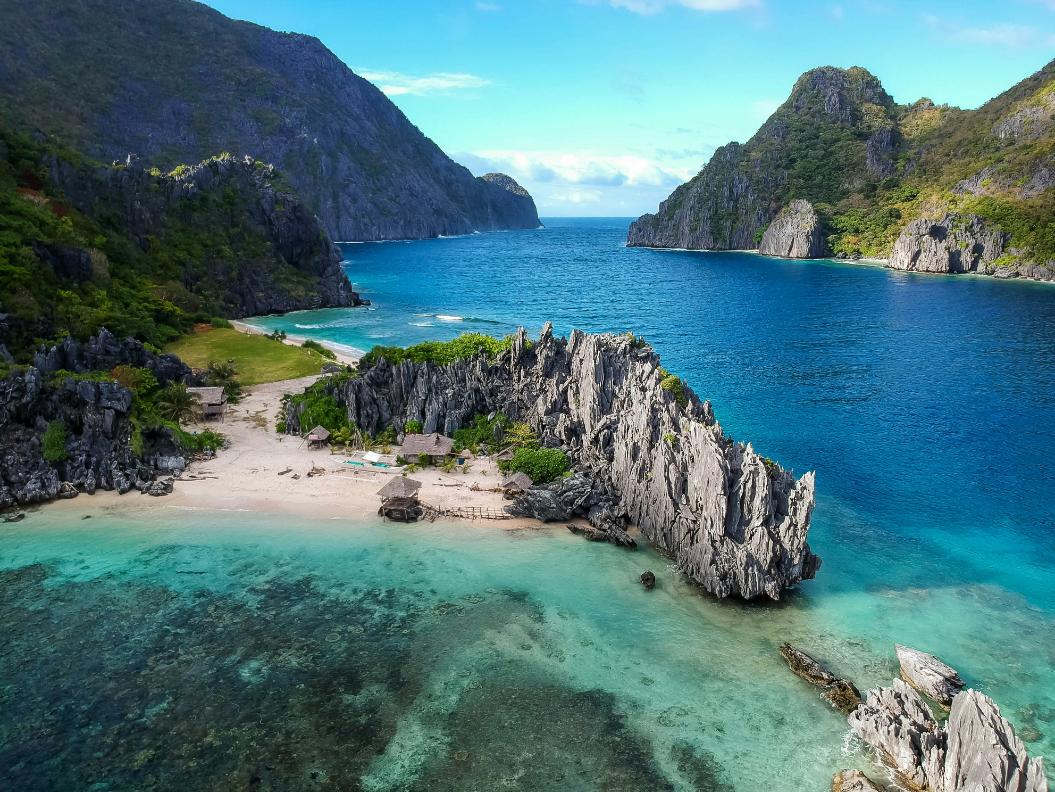
Geographic Divisions: Luzon (North) serves as the administrative and mountainous core; Visayas (Central) acts as the hub for marine biodiversity and unique wildlife; Palawan (West) is the frontier for limestone karst landscapes.
-
Cultural Shift: Unlike its neighbors in Mainland Southeast Asia, the Philippines possesses a strong Spanish and American colonial legacy, manifesting in widespread English proficiency and a unique culinary landscape that prioritizes Adobo and Lechón over traditional spice-heavy regional cuisines.
Technical Mechanics: Transportation and Seasonal Logistics
Navigating the Philippines requires a multi-modal logistical strategy due to the complexity of ferry schedules and the unreliability of maritime transport during adverse weather.
-
Aviation Infrastructure: For long-distance travel (e.g., Manila to Palawan), flying is the mandatory protocol. Primary nodes include Ninoy Aquino International Airport (Manila) and Mactan-Cebu International Airport (Cebu).
-
Inter-Island Transit: Shorter distances are managed via Jeepneys (repurposed military vehicles), tricycles, and ferries. For example, transit from Cebu to Bohol or Siquijor is optimized through fast-ferry operators like Oceanjet.
-
Seasonal Windows: The dry season (December to May) is the optimal operational window. However, the “peak” period (December to February) results in significant hospitality inflation and high-density crowding in “tier-one” destinations like El Nido.
Economic Impact and Regional Highlights
The economic efficiency of a Philippines itinerary is determined by the strategic selection of island clusters to minimize “backtracking” costs.
| Region | Primary Asset | Strategic Utility |
| Palawan | El Nido & Coron | Best for limestone lagoons and wreck diving; high CAPEX but high aesthetic return. |
| Central Visayas | Bohol & Moalboal | High-density biodiversity (Sardine Run, Tarsiers); low-friction transit between islands. |
| Luzon | Banaue Rice Terraces | Cultural and mountainous trekking; requires long-haul bus logistics from Manila. |
Ethical Tourism Note: Whale Sharks
While Oslob (Cebu) is a high-volume site for whale shark sightings, the practice of hand-feeding disrupts natural migration. For sustainable engagement, operators should prioritize Donsol or Southern Leyte, where sightings occur in a wild, unmanaged environment.
:max_bytes(150000):strip_icc()/GettyImages-540272361-5b5956c546e0fb0078e17424.jpg)
Structural Vulnerabilities: Infrastructure and Environmental Risks
The primary risk to Philippines tourism operations is environmental. The country is situated within the Pacific Ring of Fire and the typhoon belt.
-
Climatic Bottlenecks: Typhoons can instantly ground flights and suspend ferry operations, as seen in recent events in El Nido. Operators must maintain a flexible itinerary and include “buffer days” for transit.
-
Financial Friction: ATM fees are standardized at 250 Pesos per transaction for international cards, creating a cumulative cost burden. Utilizing digital banking assets like Wise can mitigate currency exchange losses.
Conclusion
The strategic verdict for 2026 is that the Philippines offers an unparalleled return on natural investment, provided the operator accepts the logistical friction of an island nation. Success is found in clustering destinations—focusing on Central Visayas or Northern Palawan independently—rather than attempting a linear path through the entire archipelago. For a balanced 21-day deployment, a circular route encompassing Manila, Cebu, Bohol, and Palawan provides the most comprehensive exposure to the nation’s diverse ecological assets.
Also Read : The 2026 Strategic Intelligence Brief: Macroeconomic and Logistical Planning – Tourism in Andorra