 By
By 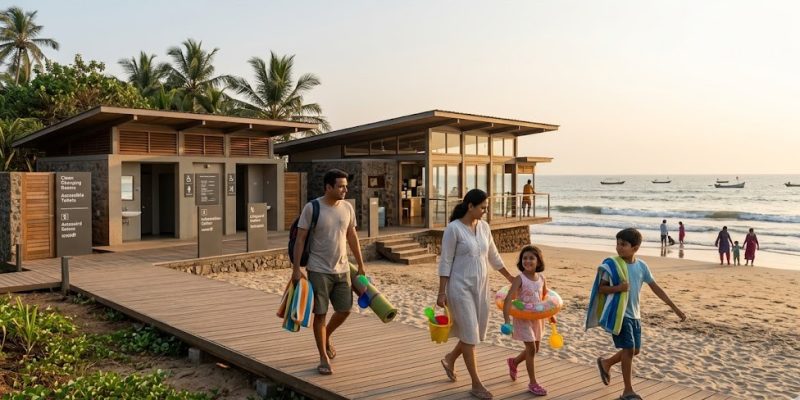
India’s extensive coastline offers a highly lucrative sector for family tourism in 2026. From the pristine coral atolls of the Bay of Bengal to the bustling commercial shores of the Arabian Sea, curating the perfect family beach holiday requires balancing recreational infrastructure with stringent safety and environmental standards. This intelligence brief deconstructs the top family-friendly coastal destinations, leveraging the expanding list of 18 Blue Flag certified beaches in India to optimize travel planning and ensure maximum logistical efficiency.
Technical Mechanics: Environmental Certifications & Safety Protocols
The baseline for family beach tourism in 2026 relies heavily on verifiable safety metrics and ecological management.
-
The Blue Flag Standard: A key differentiator for premium family beaches is the international Blue Flag certification, which mandates 33 strict environmental, educational, and safety standards. Beaches meeting these criteria guarantee clean bathing water, active waste management, and the presence of trained lifeguards during peak hours, significantly reducing the operational risk for traveling families.
-
Shallow Water & Current Topography: Destinations like Mahabalipuram and the officially certified Golden Beach in Puri are strategically selected for their gentle wave gradients and shallow coastal shelves, which naturally prevent the dangerous undercurrents that plague steeper shorelines.
-
Geopolitical Safety Alignment: For international and domestic tourists alike, adhering to current 2026 safety guidelines for coastal tourism ensures that trips remain within established, highly secure tourism circuits away from unpredictable border or remote zones.
Strategic Deployment: The Coastal Tourism Matrix
Categorizing the coastal assets by their primary tourism function allows travel coordinators to align family expectations with regional infrastructure.
| Coastal Destination | Core Aesthetic | Target Family Activities | Tourism Strategy Focus |
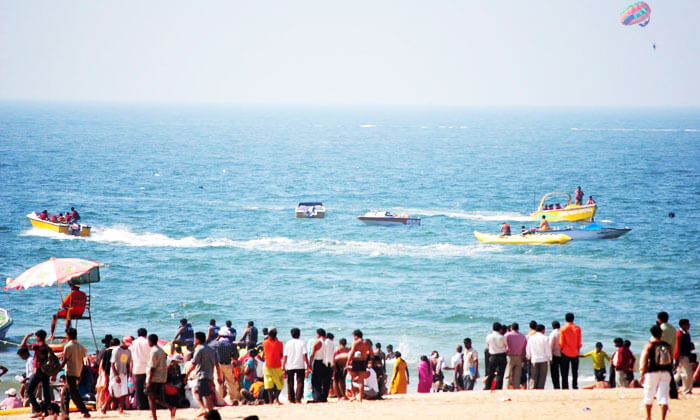
| Goa (North & South) | Commercial, high-energy. | Banana boats, Fort Aguada, Dudhsagar falls. | Capitalize on the family-friendly infrastructure of North Goa for active recreation. |
| Andaman Islands | Pristine, remote luxury. | Snorkeling, Cellular Jail, island hopping. | Highlight Radhanagar Beach on Swaraj Dweep as a premium, secure marine environment. |
| Kerala | Tropical, culturally immersive. | Lighthouse views, backwater cruises. | Optimize for sustainable houseboat tourism combined with cliffside walks at Varkala. |
| Puri & Konark | Heritage, spiritual grounding. | Sandcastle building, Sun Temple tours. | Target “Cultural Beach Holidays” blending sand fun with educational site visits. |
| Mahabalipuram | Calm, accessible history. | Rock sculptures, safe swimming. | Niche targeting for “Weekend Getaways near Chennai” and historical exploration. |
 Structural Vulnerabilities and Strategic Limitations
-
Monsoonal Disruption: The Indian coastline is heavily impacted by the monsoon season (June to September). Sea conditions become highly volatile, rendering water sports impossible and swimming dangerous. Travel logistics must restrict beach-heavy bookings during these months, pivoting instead to off-season backwater retreats or hill stations.
-
Infrastructure Saturation: Popular hubs like Calangute and Baga in Goa face severe overcrowding during peak winter months (November to February). To mitigate sensory fatigue and ensure child safety, itineraries must interleave highly populated beach days with secluded nature excursions or private resort access.
-
Accessibility Friction: Reaching premium remote locations like Havelock Island in the Andamans requires multi-modal transport (flights connecting to domestic maritime ferries). This logistical friction can be exhausting for families with young children, necessitating padded itineraries with built-in recovery days.
Conclusion
The strategic verdict for navigating India’s coastal tourism in 2026 is that safety and infrastructure dictate the success of family holidays. By anchoring itineraries around certified eco-friendly zones and balancing high-energy water sports with culturally enriching heritage sites, travel curators can deliver seamless, low-risk, and highly memorable experiences across the subcontinent’s diverse shorelines.
Also Read :Munnar Tourism Seasons