 By
By 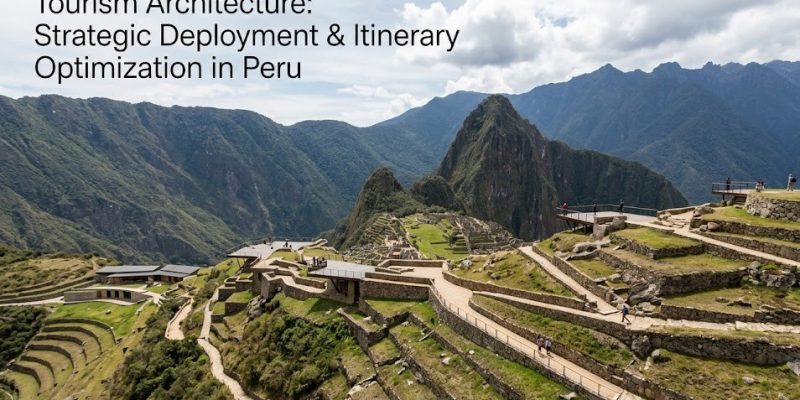
Peru operates as a highly dense historical and ecological node, housing the oldest South American civilization (Norte Chico) and the continent’s most powerful ancient empire (the Incas). From the highest peaks of the Andes to the sprawling expanse of the Amazon Rainforest, executing a comprehensive itinerary requires strict logistical planning to avoid fatigue and maximize exposure to diverse biomes. This intelligence brief deconstructs the geographical mechanics, optimal deployment strategies, and logistical vulnerabilities of traversing Peru’s primary tourist corridors.
Technical Mechanics: Geographical & Historical Assets
The successful navigation of a Peruvian itinerary relies on understanding the extreme topographical variations and the highly advanced ancient engineering that defines the region.
-
-
Agrarian & Structural Engineering: The Incas were master manipulators of harsh terrain. Sites like the Moray Terraces in the Sacred Valley were engineered as circular, multi-level agricultural testing grounds within potential meteor craters, allowing for the cultivation of crops across simulated micro-climates.
-
Altitude & Topography: The region is defined by extreme verticality. The Andes form the spine of the country, pushing key points of interest like Cusco and Rainbow Mountain (Vinicunca) to elevations exceeding 11,000 and 17,000 feet, respectively, fundamentally altering human physical performance and transit times.
-
Biome Diversity: Peru requires multi-environment adaptability. Travelers can transition from the arid, high-altitude peaks of Machu Picchu to the coastal, sea-level culinary capital of Lima, and finally into the dense, humid basin of the Amazon Rainforest in Iquitos within a matter of days.
-
Strategic Deployment: The Peruvian Excursion Matrix
Due to the vast scale of the country, travel planners strongly recommend isolating a maximum of three primary zones to prevent logistical burnout.
| Operational Zone | Primary Focus | Strategic Value Proposition |
|---|---|---|
| Cusco & Sacred Valley | Historical Integration & High-Altitude Trekking | Serves as the gateway to Machu Picchu, the Písac market, and the Maras Salt Mines. Requires utilizing certified, professional operators (e.g., Sun Gate Tours) to navigate unpaved routes and manage tight site access windows. |
| Lima (Miraflores & Barranco) | Culinary Architecture & Coastal Topography | Offers high-end gastronomy (ceviche, lomo saltado), Pacific cliffside walkways, and deep historical sites like the San Francisco de Lima Basilica catacombs. |
| Iquitos | Amazonian Ecological Immersion | Provides rapid access to the Amazon Rainforest ecosystem for river navigation and wildlife observation, distinctly separate from the high-altitude Andean experience. |
Structural Vulnerabilities and Strategic Limitations
-
-
Acute Altitude Sickness: The most severe biological friction point for travelers arriving in Cusco or attempting the Rainbow Mountain trek is the extreme altitude. Without a strictly enforced 24- to 48-hour acclimatization period, visitors risk severe headaches, nausea, and physical incapacitation, threatening to derail strict tour schedules.
-
Transit Infrastructure Deficits: While primary highways exist, accessing specialized sites like the Maras Salt Mines or Rainbow Mountain requires navigating rugged, unpaved, and highly bumpy terrain. Attempting self-driven rental navigation in these zones is highly discouraged due to the increased risk of vehicular damage and route disorientation.
-
Tourist Saturation at Prime Nodes: Global landmarks like Machu Picchu process up to 5,000 visitors daily. Navigating these environments without a deeply experienced, localized guide (preferably Quechua-speaking) results in a highly congested, superficial experience. Pre-booking specialized access permits months in advance is mandatory to avoid lockout.
-
Conclusion
The strategic verdict for navigating Peru is that attempting a fragmented, self-guided approach across its extreme terrain drastically reduces the quality of the excursion. To successfully extract maximum value from the ancient engineering of Cusco, the culinary heights of Lima, and the dense ecology of the Amazon, travelers must rely on professionally certified logistical support. By limiting deployments to three primary regions and outsourcing transit to specialized operators, visitors can safely bypass infrastructure friction and fully integrate into the historical depth of the Inca Empire.
Also Read :Scuba Diving in Havelock Island: Best Times & Top Dive Sites