 By
By 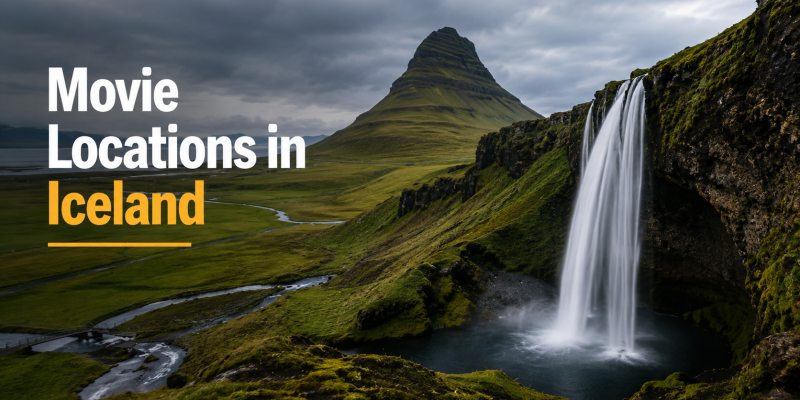
Iceland’s unique geological location on the active mid-oceanic rift zone makes it an unparalleled landscape for cinematic production. Featuring high-density volcanic calderas, sub-polar glacial tongues, and deep basalt canyons, the country regularly doubles as alien planets, frozen fantasy lands, and post-apocalyptic realities.
Curating a travel itinerary through these famous film locations requires a deep understanding of sub-polar weather patterns, tectonic plates, and open beach safety. Developed with real-world field notes from experienced Travel Director Rob Joyce, this cinematic geography brief details the nine premier filming sites across Iceland, analyzing their structural roles in major Hollywood blockbusters and outlining critical safety measures for off-road transit.

Technical Mechanics: Tectonic Rift Expansion and Glacial Dynamics
Filming in Iceland relies heavily on the country’s unique geological features, where intense volcanic heat constantly collides with massive glacial ice caps.
                      [ THE ICELANDIC EMBED MATRIX ]
                                     │
         Active Spreading of the Mid-Atlantic Tectonic Rift Zone
                                     │
         ┌───────────────────────────┴───────────────────────────┐
         ▼                                                       ▼
┌─────────────────────────────────┐                     ┌─────────────────────────────────┐
│     SUB-POLAR GLACIAL CALVING   │                     │   BASALTIC COMPRESSION CORES    │
│ Vatnajökull ice chunks feed     │                     │ Rapidly cooled volcanic lava    │
│ high-density lagoons, creating  │                     │ forms geometric column walls    │
│ moving sci-fi planet backdrops. │                     │ used in fantasy set designs.    │
└────────────────┬────────────────┘                     └────────────────┬────────────────┘
                 │                                                       │
                 ▼                                                       ▼
┌─────────────────────────────────────────────────────────────────────────────────────────┐
│                             THE TRANSIT RISK BOUNDARY                                   │
│ - Sneaker waves create high-velocity rip currents across black sand beaches.             │
│ - High-latitude wind chill drops ambient local temperatures unexpectedly.               │
│ - Harsh mountain paths require specialized high-clearance 4x4 drivetrains.              │
└─────────────────────────────────────────────────────────────────────────────────────────┘
1. Glacial Calving and Iceberg Drift Economics
At locations like Jökulsárlón and Fjallsárlón, large blocks of ice break away from the edges of the massive Vatnajökull ice cap—Europe’s largest glacier by volume. These icebergs drift slowly through deep lagoons toward the open ocean, showcasing ancient compressed ice that has been shielded from direct sunlight for nearly 10,000 years. This moving icy landscape has served as the perfect frozen backdrop for high-octane blockbusters like Die Another Day (2002) and Interstellar (2014), giving filmmakers a vast, otherworldly setting that looks completely detached from modern civilization.
2. Tectonic Plate Separation and Basalt Geometry
The dramatic rock formations at Þingvellir National Park and along the beaches of Reynisfjara are direct results of intense tectonic and volcanic activity. At Þingvellir, the North American and Eurasian tectonic plates pull apart by roughly 2 centimeters each year, forming the massive, sheer rock walls of the Almannagjá gorge—famously featured as the “Bloody Gate” in Game of Thrones. Along the south coast, hot basaltic lava rapidly cooled upon hitting the cold Atlantic Ocean, compressing the stone into perfect hexagonal columns that Hollywood directors frequently use to frame alien planets or mythical fantasy realms.
3. Hydro-Kinetic Spray and Thermal Plumes
The immense energy of Europe’s most powerful waterfall, Dettifoss, is driven by massive volumes of glacial meltwater plunging 44 meters down into a deep volcanic canyon. The waterfall’s continuous plume of fine water droplets creates an industrial-scale mist layer that blocks out the surrounding landscape. Director Ridley Scott famously used this raw environment for the opening scene of Prometheus (2012), utilizing the massive scale of the waterfall to represent a primeval, untouched alien world.
The Cinematic & Geological Performance Matrix
This comprehensive reference index maps the core filming sites, their movie histories, and the exact transportation requirements needed to navigate Iceland’s rugged terrain.
| Filming Site Location | Featured Hollywood Production | Primary Geological Feature | Transit Access Constraint | Rob’s Field Safety Advisory |
| 1. Jökulsárlón Lagoon | Die Another Day, Batman Begins | Calving icebergs; black volcanic sand borders. | Located directly off the Ring Road corridor. | Book boat tours early; stay alert for nesting Arctic Terns from April to August. |
| 2. Vatnajökull Park | Prometheus, Interstellar | Europe’s largest ice cap; massive glacier tongues. | Requires organized mountain guides from Skaftafell. | Never step onto the glacier without professional safety gear and local guides. |
| 3. Þingvellir Rift | Game of Thrones (The Eyrie) | Active tectonic rift valley; deep rocky fissures. | Easily accessible via paved Golden Circle tours. | Watch out for black ice and intense, cutting wind chill during the winter months. |
| 4. Snæfellsjökull | Journey to the Center of the Earth | Glacier-capped volcano surrounded by lava fields. | High-clearance F-roads; requires 4×4 snowcats. | Conditions shift rapidly; treat the peninsula as a micro-summary of Iceland. |
| 5. Kirkjufell Peak | Game of Thrones (Season 7) | Symmetrical conical mountain; layered waterfalls. | Paved parking area near Grundarfjörður town. | Keep to the designated low paths; climbing the steep peak is highly hazardous. |
| 6. Dettifoss Falls | Prometheus, Thor: The Dark World | 44-meter glacial plunge; high-volume canyon. | Gravel route 864; best approached from the east bank. | Wear waterproof outerwear; walk like a penguin to navigate icy paths safely. |
| 7. Reynisfjara Beach | Star Wars: Rogue One, Fast 8 | Hexagonal basalt columns; offshore sea stacks. | 2.5-hour drive from Reykjavík off the Ring Road. | Extreme Danger: Stay off the wet slopes; sneaker waves cause fatal rip currents. |
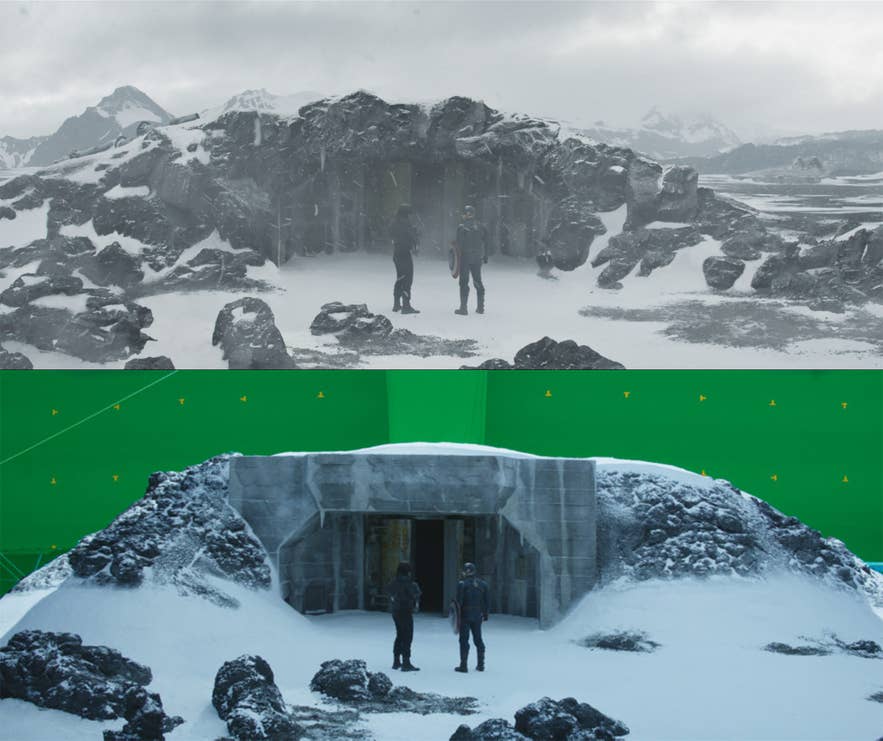
| 8. Hrossaborg Crater | Oblivion (Cruise’s Bunker) | Circular volcanic tuff ring; hyper-arid plain. | Strict F-road access; 4×4 drivetrains mandatory. | Check the safe.is registry before leaving; never attempt in a standard sedan. |
| 9. Fjallsárlón Basin | Interstellar (Planet Mann) | Low-density glacier lagoon; blue ice cliffs. | 10 minutes west of Jökulsárlón off the Ring Road. | Smaller crowd footprint; pre-booked boat tours are essential for lagoon access. |
Architectural Breakdown of Key Cinematic Regions
                        [ THE CINEMATIC GEOGRAPHY ]
                                     │
         Balances floating glacial lagoons with dangerous coastal sand beaches
                                     │
       ┌─────────────────────────────┼─────────────────────────────┐
       ▼                             ▼                             ▼
┌──────────────────┐          ┌──────────────────┐          ┌──────────────────┐
│ THE ICE CAPS CORE│          │ THE HIGHLAND RING│          │ THE BASALT SECTOR│
│ - Jökulsárlón    │          │ - Hrossaborg     │          │ - Reynisfjara    │
│   Bond Car Chase │          │   Tuff Crater    │          │   Basalt Columns │
│ - Fjallsárlón    │          │ - Dettifoss      │          │ - Almannagjá     │
│   Mann's Planet  │          │   Primal Spray   │          │   Tectonic Wall  │
└──────────────────┘          └──────────────────┘          └──────────────────┘
1. The Moving Ice Worlds: Jökulsárlón & Fjallsárlón
The southeast corner of Iceland functions as Hollywood’s premier location for icy, alien landscapes. In Jökulsárlón, the luminous icebergs floating through the lagoon are dense enough to support major action sequences, such as the famous frozen car chase in Die Another Day. Just ten minutes to the west, Fallsárlón provides a more intimate, less crowded look at the glacier’s edge. Christopher Nolan utilized these blue ice cliffs and dark, frozen expanses to depict the hostile, timeless environment of Dr. Mann’s icy planet in Interstellar.
2. The Arid Post-Apocalyptic Highlands: Dettifoss & Hrossaborg
Moving into the northeastern highlands, the scenery shifts into dry, dramatic volcanic formations. The Hrossaborg Crater features a striking, circular ash ring that served as Tom Cruise’s isolated bunker in Oblivion. The vast, barren plains surrounding the crater look completely detached from Earth, emphasizing the film’s post-apocalyptic setting. This stark environment is paired with the thundering waters of Dettifoss, where the sheer scale of the landscape has made it a favorite for directors looking to capture the raw, untamed forces of nature on the big screen.
3. The Structural Basalt Formations: Reynisfjara & Þingvellir
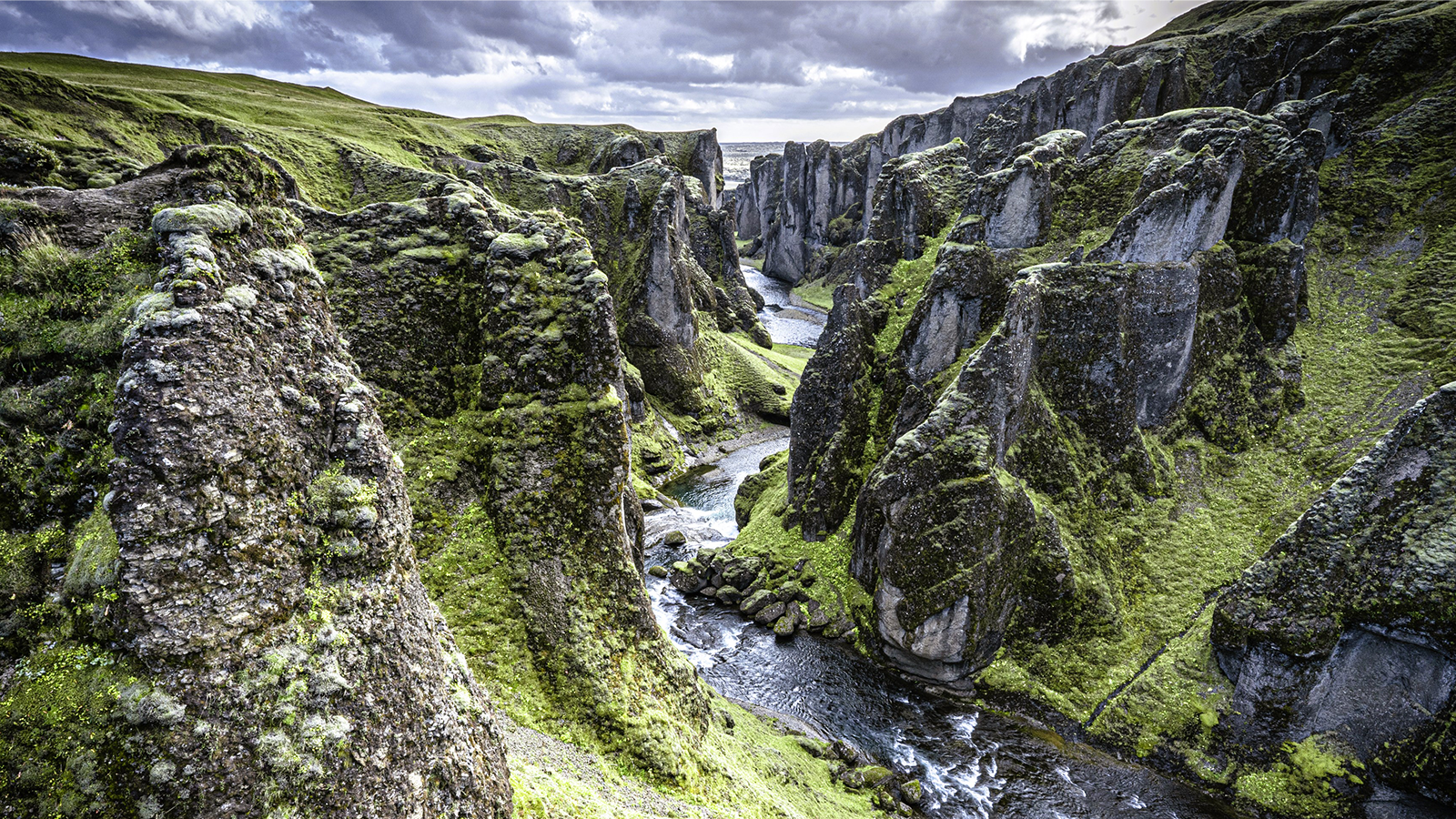
Iceland’s active tectonic boundaries create incredible stone structures that require no digital special effects. The black sands of Reynisfjara Beach feature towering, geometric basalt column walls that director Gareth Edwards used to depict the storm-lashed planet Eadu in Rogue One: A Star Wars Story. Inland, the deep rocky rifts of Þingvellir National Park allow visitors to walk directly between the North American and Eurasian continental plates. This dramatic canyon landscape served as the imposing, narrow pathway to the Eyrie in Game of Thrones, using the natural stone walls to create a sense of ancient, unyielding defense.
Technical Safety and Off-Road Logistics Safeguards
When navigating high-latitude volcanic terrains and active glacial zones, travel managers and independent drivers must enforce strict safety rules:
Conclusion
A comprehensive geographic assessment of Iceland’s premier film locations confirms that the country’s raw, untamed landscapes will continue to be a top choice for major filmmakers. By combining the vast, cinematic scale of Vatnajökull’s glaciers with the stark, geometric lines of Reynisfjara’s basalt columns, Iceland bridges the gap between science fiction and reality, a natural performance tracked closely by travel analysts at Insight Vacations.
As modern production teams continue to seek out pristine, untouched environments and tourism infrastructure expands along the Ring Road, successful exploration depends entirely on preparation. Balancing a passion for cinema with a deep respect for Iceland’s volatile weather and unique geography ensures that every journey through these iconic backdrops unfolds with absolute safety, technical precision, and flawless execution.
Also Read :A Regional Analysis of Northern vs. Southern Italy