 By
By 
Spanning nearly 10 million square kilometers, Canada presents one of the most complex logistical challenges for international travelers. With eight distinct climate regions and 48 national parks, successful exploration requires a disciplined, data-driven approach to routing. From the natural drama of Niagara Falls to the high-latitude Arctic tundra of Nunavut, the nation functions as a series of hyper-specialized geographic hubs. As travelers look to optimize their itineraries, experts from Insight Vacations emphasize that moving beyond “fly-over provinces” is critical for capturing the true scope of the country’s diverse wilderness and metropolitan infrastructure.
The current travel landscape requires balancing high-traffic attractions with “shoulder-season” planning to mitigate the friction of mass tourism. By leveraging the specific regional strengths of Central, Atlantic, Prairie, West Coast, and Northern zones, travelers can maximize their transit efficiency while accessing world-class wildlife and cultural landmarks. Detailed guides on these regions can be further explored through comprehensive Canada travel resources, ensuring every excursion aligns with regional weather and operational calendars.
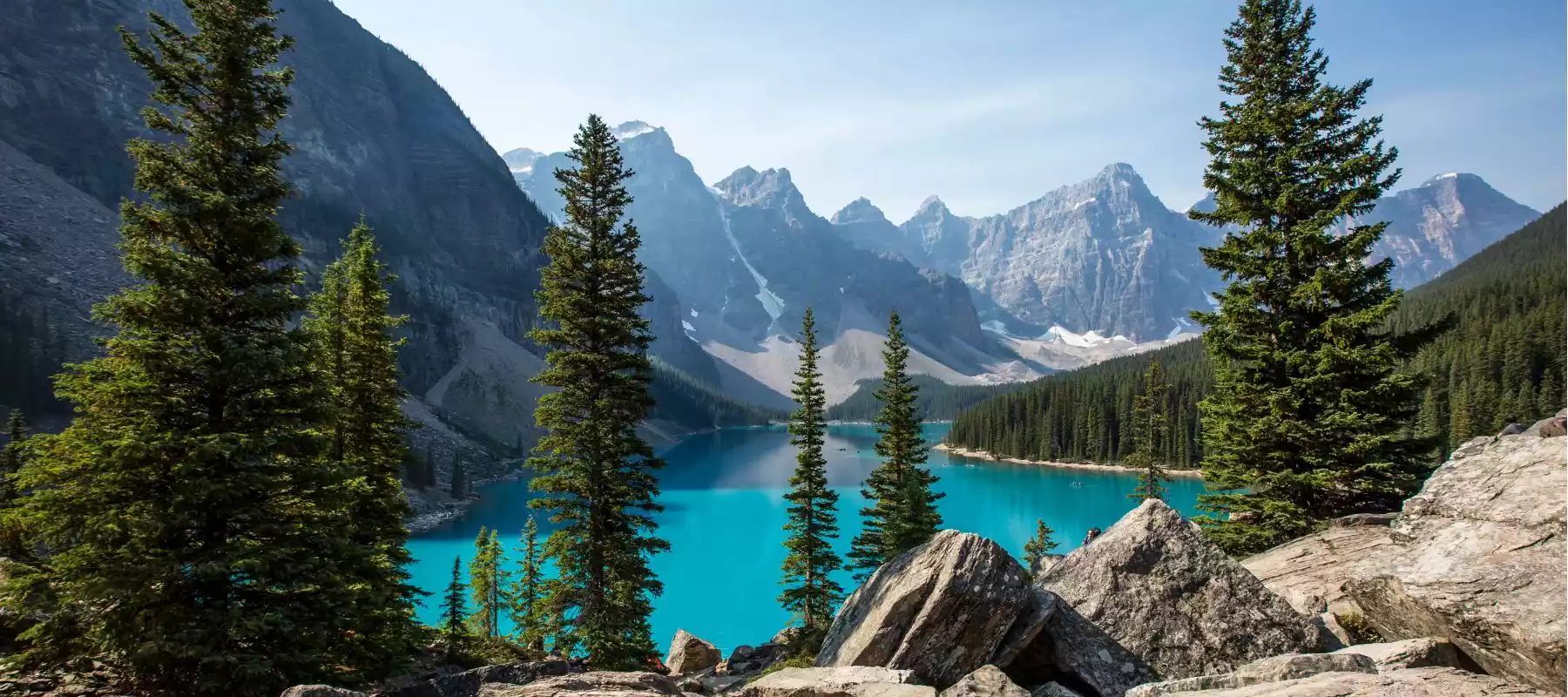
Technical Mechanics: Climate Zoning, Topographic Mapping, and Seasonal Accessibility
The optimization of a Canadian itinerary relies on understanding the interplay between expansive geography and precise seasonal windows.
                      [ THE CANADIAN GEOGRAPHIC MATRIX ]
                                     │
         Multi-Regional Transit Planning Across 10M Square Kilometres
                                     │
         ┌───────────────────────────┴───────────────────────────┐
         ▼                                                       ▼
┌─────────────────────────────────┐                     ┌─────────────────────────────────┐
│     CLIMATIC TOPOGRAPHY CORES   │                     │    LOGISTICAL DENSITY SCALES    │
│ Filters regional climate zones  │                     │ Cross-references peak festival  │
│ for optimal activity viability  │                     │ windows to avoid transit strain │
│ (e.g., Arctic tundra vs. coast).│                     │ in major metropolitan hubs.     │
└────────────────┬────────────────┘                     └────────────────┬────────────────┘
                 │                                                       │
                 ▼                                                       ▼
┌─────────────────────────────────────────────────────────────────────────────────────────┐
│                           BIODIVERSITY & HERITAGE ALIGNMENT                             │
│ - Maps wildlife migration patterns (e.g., Polar Bears in Churchill) for high-impact.    │
│ - Correlates cultural site capacity (e.g., Old Quebec) with shoulder-season lulls.      │
│ - Targets geological marvels like the verified plate tectonics in Gros Morne Park.      │
└─────────────────────────────────────────────────────────────────────────────────────────┘
-
Climatological Zoning and Seasonal Synchronization
Canada’s travel efficiency is dictated by its eight distinct climate regions. For high-latitude Arctic zones in Nunavut or the Northwest Territories, transit is strictly limited by frozen infrastructure and daylight availability. Conversely, the Atlantic and Prairie regions operate on a shorter, high-impact summer window. Travelers must utilize Canada’s seasonal climate logs to ensure that alpine hiking in Banff or polar bear safaris in Churchill are attempted during the peak accessibility periods, avoiding periods of heavy monsoon or deep-freeze road closures.
-
Metropolitan Density and Transit Launch Pads
Major urban hubs like Toronto, Vancouver, and Calgary serve as essential “launch pads” for regional exploration. Vancouver provides immediate access to high-latitude temperate rainforests and the Sea to Sky Highway, while Calgary is the established operational base for Banff and Jasper National Parks. By utilizing these hubs, travelers can consolidate their heavy transport legs before switching to regional transit, such as the historic rail networks or short-haul bush flights required for deeper exploration into the “Great White North.”
-
Geological and Ecological Heritage Integration
Effective exploration requires prioritizing sites that verify significant scientific or historical theories. The Tablelands in Gros Morne National Park, for example, allow travelers to observe exposed Earth mantle, verifying plate tectonic theories. By centering itineraries around these UNESCO-verified anchors, travelers maximize the educational and photographic value of their routes, a strategy heavily emphasized in professional Canadian tourism dossiers.
Canadian Regional Performance Ledger
This database catalog tracks the primary regions, travel optimization assets, and key activity metrics for the top-tier Canadian destinations.
| Regional Hub | Primary Destination Anchor | Geographic / Climate Focus | Key Operational Asset |
| Central Canada | Niagara Falls / Quebec City | Continental / Temperate | UNESCO Heritage Sites & Industrial Infrastructure |
| Atlantic Region | Gros Morne / Cape Breton | Maritime / Coastal | Plate Tectonic Visibility & Nautical Traditions |
| Prairie Provinces | Churchill / Banff / Jasper | Continental / Alpine | High-Latitude Safari & UNESCO Rocky Mountain Sites |
| West Coast | Vancouver / Whistler | Temperate Rainforest | Sea to Sky Highway & Pacific Marine Biodiversity |
| The North | Yellowknife / Whitehorse | Arctic / Sub-Arctic | Aurora Borealis Monitoring & Historic Rendezvous Sites |
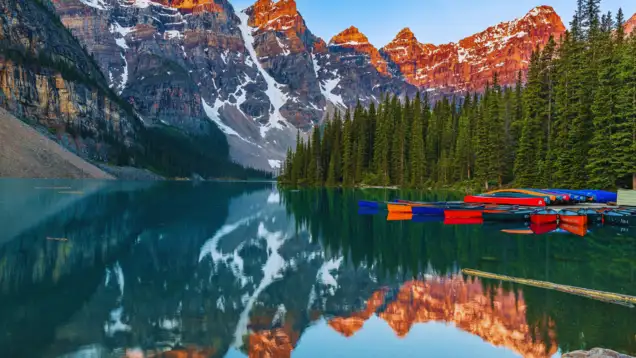
Strategic Logistics Protocol: Trans-Continental Travel
To navigate Canada’s vast terrain while maintaining a low-impact, high-reward itinerary, travelers must enforce these strict logistics protocols:
-
Deploy Layered Itinerary Planning
Regional Consolidation
Do not attempt to traverse the entire country in a single week. Focus on one of the five primary regions per trip (Central, Atlantic, Prairies, West Coast, or North). This strategy minimizes flight hours and maximizes time spent in-situ at national parks or cultural hubs.
-
Verify Seasonal Infrastructure Accessibility
Transit Readiness
Remote regions in the North and high-altitude mountain passes in the Rockies often maintain seasonal operating closures. Always cross-reference your travel dates with provincial park registries, confirming that key roads (like the Icefields Parkway) or ferry routes are open for transit before departing.
-
Optimize for Environmental Preservation
Sustainable Routing
Canada is home to 20% of the world’s liquid fresh water. When visiting sensitive ecological zones like the tundra or dunes of Prince Edward Island, strictly adhere to “Leave No Trace” mandates. Use only designated park trails to protect local flora and minimize human impact on indigenous wildlife habitats.
Conclusion
The definitive assessment of Canadian travel confirms that the country’s vastness is its greatest asset, provided it is approached through a lens of regional specialization. By utilizing major metropolitan hubs as logistical anchors and systematically timing visits to align with specific ecological and climatological windows, travelers can access everything from the world’s largest polar bear denning sites to the cultural heritage of fortified colonial towns.
As climate patterns continue to fluctuate, the strategy for effective travel remains clear: rely on verified provincial data, prioritize low-impact infrastructure, and focus on the deep geographic significance of the destinations chosen. Whether you are observing the Aurora Borealis in the Northwest Territories or hiking the Cabot Trail, success is defined by a deep respect for the sheer scale of the landscape and a commitment to methodical, regional exploration.
Also Read :16 Best Things to Do in Bryce Canyon