 By
By 
The Portuguese coastline is a complex ecological and recreational network, often bifurcated between the hyper-commercialized resort hubs of the Algarve and the rugged, unpolished wilderness of the Alentejo and Costa Vicentina. “Penguin Trampoline” (Eli & Jake) provides a roadmap for the latter: a high-effort, high-reward selection of beaches defined by limited accessibility, minimal infrastructure, and profound scenic isolation. This intelligence brief deconstructs the spatial logic of these hidden coastal nodes, the logistics of rugged terrain navigation, and the strategic value of “low-density” tourism.
Technical Mechanics: Navigation, Friction & Site Selection
The “underrated” status of these beaches is a direct function of their high access friction. For the traveler, these sites are not destinations but “operational challenges.”
-
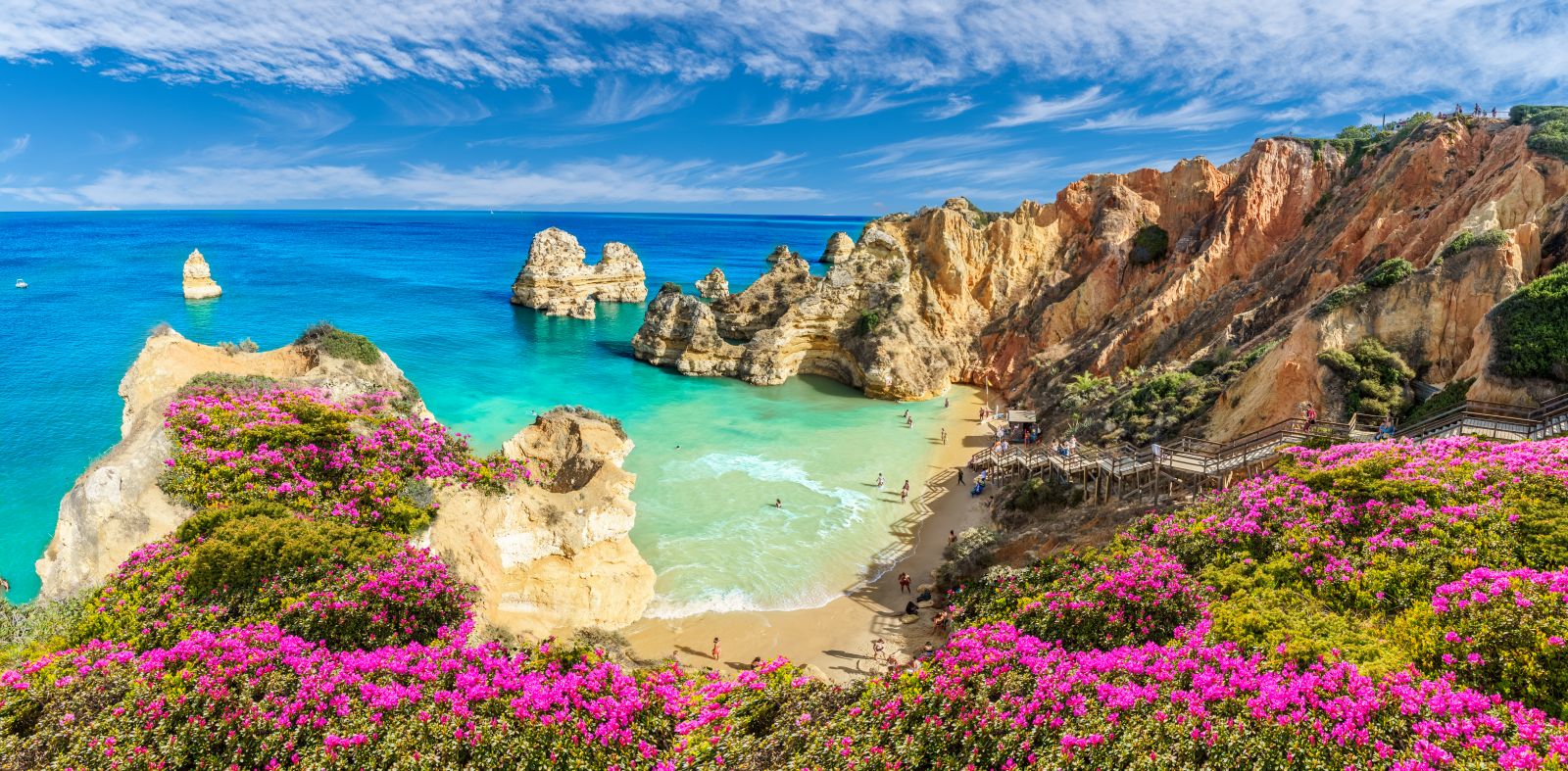
Access-Induced Exclusivity: The lack of traditional infrastructure—no formal parking, rugged dirt tracks, and volatile wooden staircases—serves as an inherent gatekeeper, naturally regulating visitor density. Sites like Praia da Ponta Ruiva (vulnerable to GPS failure) and Praia da Ursa (requiring a “brutal” hike) are strategically isolated from the casual day-tripper. The “rental car” is not merely a convenience; it is a critical piece of infrastructure for navigating the gravel-heavy arterial paths that lead to these sites.
-
The Atlantic “Poaching” Effect: Unlike the sheltered, low-energy waters of the Algarve, these wild beaches represent high-energy Atlantic interfaces. The interaction between geography and current creates “niche” swimming environments, such as the river-mouth calms of Praia das Furnas and the surf-dominant swells of Ponta Ruiva.
-
Micro-Climatic Management: High-density dunes and coastal cliffs (e.g., Praia da Bordeira) function as wind-tunnels. The strategic advice for these locations is “site-responsive gear management”—utilizing high-wind accessories (kites, wind-resistant layers) rather than traditional beach umbrellas or high-maintenance infrastructure.
Strategic Deployment Matrix
This selection of sites serves as an adaptable inventory for travelers seeking to avoid commercial saturation.
| Beach Asset | Operational Profile | Strategic Value Proposition |
| Praia da Amália | High-friction (wobbly stairs) | Extreme aesthetic solitude; historical resonance (Fado queen’s hideaway). |
| Praia da Samouqueira | Unmarked turnoff / Low-density | Natural amphitheater; optimal for total sensory isolation. |
| Praia da Ponta Ruiva | High-friction (bumpy dirt track) | High-value landscape (red cliffs); ideal for surf-focused adventure. |
| Praia da Ursa | Extreme-friction (steep hike) | High-reward cinematic value (jagged rock stacks); Game-of-Thrones-tier geography. |
| Praia das Bicas | Local-secret status | Low-infrastructure; preserves a “secret society” experience. |

Structural Vulnerabilities and Systemic Limitations
-
The Sustainability Paradox: As these “underrated” gems are surfaced via digital platforms (like Penguin Trampoline), they face the “Instagram-effect”—rapid conversion from hidden nodes to overcrowded tourist traps. The fragility of these sites is not just physical (erosion of trails/dunes) but atmospheric; once the “hush-hush” factor is lost, the value of the experience drops significantly for the initial demographic.
-
Safety-Alert Asymmetry: These locations are often bereft of lifeguard presence, emergency medical services, and reliable telecommunications (“zero phone signal”). The systemic limitation is that travelers are entirely responsible for their own safety. The recommendation for “solid insurance” (Heymondo) is not just a commercial pitch; it is an essential risk-mitigation strategy for regions where a simple ankle sprain on a cliffside trail can become a multi-hour emergency.
-
Rental Asset Depreciation: The use of personal or rental vehicles on “crazy dirt roads” creates a high-risk operational environment for standard rental agreements. The “luckily without damage” anecdote is a warning: these areas are hostile to standard automotive hardware, and travelers are operating at the edge of their insurance and equipment limits.
Conclusion
The strategic verdict on these wild Portuguese beaches is that they offer the highest density of aesthetic and psychological reward at the cost of the highest operational effort. They are not designed for mass-market consumption; they are for the “stubborn” and the “adventurous” who prefer the silence of the Atlantic to the noise of the resort. The ultimate value of these sites is their temporal and physical fragility—they exist as they are only because they are hard to reach.
Also Read : Software Architecture: Strategic Breakdown of AI Trip Planners