 By
By 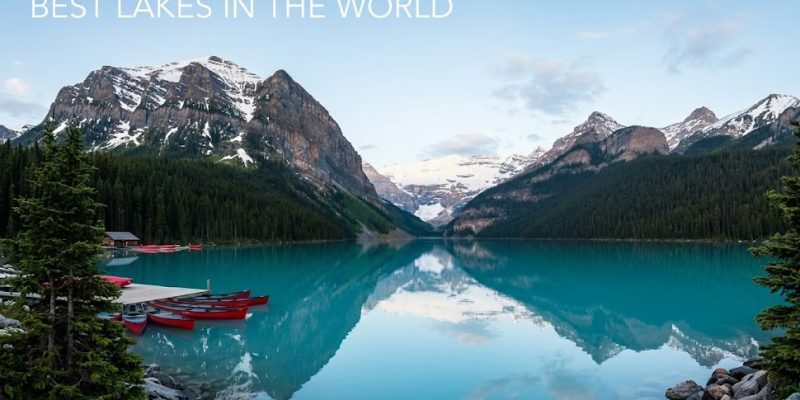
The global travel landscape offers diverse aquatic ecosystems that rival traditional oceanfront destinations. From the high-altitude cultural hubs of the Andes to the wildlife-rich soda lakes of the Rift Valley, inland water bodies provide unparalleled opportunities for strategic deployment of leisure and adventure capital. This intelligence brief deconstructs the unique value propositions, logistical deployment, and environmental vulnerabilities of nine premier global lakes, optimized for modern travel itineraries.

Technical Mechanics: Topography & Aquatic Utility
These distinct bodies of water require an understanding of their specific environmental and logistical parameters to maximize visitor engagement.
-
High-Altitude Cultural Anchoring: Lakes such as Titicaca operate as high-elevation cultural nodes, combining pre-Columbian historical sites with isolated island communities. This geography preserves traditional aesthetics by creating natural logistical barriers to mass commercialization.
-
Urban Integration: Lake Michigan demonstrates the seamless integration of a massive freshwater body into a dense metropolitan grid. The 18-mile lakefront trail acts as a critical recreational artery, providing high-utility “blue space” that directly offsets the structural density of Chicago’s skyscraper architecture.
-
Geochemical Extremes: Environments like Bolivia’s Laguna Colorada and Kenya’s Lake Nakuru feature high alkalinity and unique mineral compositions (sodium, borax). These harsh geochemical realities prevent standard aquatic recreation but create highly specialized ecological zones, supporting targeted wildlife (flamingos, rhinos) and offering surreal, “otherworldly” aesthetic value.
Strategic Deployment Matrix
This selection of lakes functions as a highly adaptable framework for diverse global travel engagements, from low-friction relaxation to high-intensity adventure.
| Aquatic Asset | Tactical Profile | Strategic Utility & Engagement Model |
| Lake Malawi (Malawi) | Golden sands / Cichlid swarms | High-value beach alternative; ideal for laid-back ecotourism. |
| Lake Michigan (USA) | 18-mile urban trail integration | Maximizes metropolitan recreation and architectural contrast. |
| Lake Wakatipu (NZ) | High-altitude adventure hub | Centralized node for extreme sports and adrenaline deployment. |
| Lake Nakuru (Kenya) | Alkaline soda lake ecosystem | Targeted wildlife observation (rhinos, leopards) in specialized terrain. |
| Lake Como (Italy) | Storied palazzos / Alpine backing | Architectural and historical immersion for luxury-focused itineraries. |
| Lake Titicaca (Peru/Bolivia) | High-altitude reed islands | Deep cultural immersion and mythological exploration. |
| Lake Louise (Canada) | Glacier-fed / Winter freeze | Year-round utility, transitioning from summer hiking to elite winter sports. |
| Loch Lomond (Scotland) | Highland loch / Dense trail network | High-capacity walking and hiking infrastructure in dramatic landscapes. |
| Laguna Colorada (Bolivia) | Mineral-rich rust-red waters | High-yield photogenic landscapes emphasizing surreal, unearthly topography. |

Structural Vulnerabilities and Systemic Limitations
-
Ecological Fragility: Lakes featuring unique biochemical properties (e.g., Lake Nakuru) are highly susceptible to minute environmental shifts. Changes in water levels or agricultural runoff can decimate the specific algae required by localized fauna (flamingos), rapidly degrading the site’s primary tourist draw.
-
Seasonal Operational Windows: High-altitude and latitude lakes (Lake Louise, Lake Åresjön) experience severe winter freezing. While this creates secondary utility (ice skating, skiing), it completely shuts down primary aquatic operations, requiring a total logistical pivot in regional tourism infrastructure twice a year.
-
Overtourism in Heritage Hubs: Architecturally dense lakesides like Lake Como face extreme carrying-capacity limits during peak seasons. The reliance on narrow, historic infrastructure (winding stone staircases, limited lakeside highways) creates significant logistical friction, detracting from the chic, exclusive aesthetic when overwhelmed by mass tourist volume.
Conclusion
The strategic verdict on these nine inland water bodies is that they represent highly specialized, high-yield assets within the global travel portfolio. By understanding the specific operational profile of each lake—whether it is the extreme sports gravity of Queenstown, the architectural density of Italy, or the isolated biochemistry of the Andes—travelers and planners can execute highly targeted, high-value global deployments that bypass the oversaturation of coastal tourism.
Also Read :Software Architecture: Strategic Breakdown of AI Trip Planners